
 5 minutes
What Is a Pyrolysis Plant?
A pyrolysis plant is an industrial facility that converts solid organic waste — including scrap tires, waste plastics, oil sludge, and biomass — into commercially valuable products through a process called pyrolysis: the thermal decomposition of organic materials at elevated temperatures in the complete or near-complete absence of oxygen. Because combustion is prevented by the oxygen-deficient environment, the organic compounds in the feedstock do not burn. Instead, they break apart at the molecular level, yielding three distinct output streams: a condensable liquid (pyrolysis oil), a solid carbonaceous residue (carbon black or biochar), and non-condensable combustible gases (syngas).
Unlike landfilling, which simply stores waste, or incineration, which destroys it while generating heat and significant emissions, pyrolysis transforms waste into reusable resources. This distinction places pyrolysis plants at the center of the global shift toward circular economy models — systems in which materials are recovered, reprocessed, and reintroduced into productive use rather than discarded. The technology is commercially proven, scalable from small batch operations handling 1–5 tonnes per day to large continuous plants processing 50+ tonnes daily, and increasingly supported by environmental regulation in major markets worldwide.
Content
The core working principle of a pyrolysis plant is straightforward, though the engineering required to execute it safely, efficiently, and in compliance with emissions standards is sophisticated. The process follows a consistent sequence regardless of feedstock type or plant scale:
One of the most significant commercial advantages of pyrolysis technology is its feedstock flexibility. A well-configured pyrolysis plant can process a wide range of organic waste streams, each yielding a different product profile. Understanding feedstock characteristics is essential for matching equipment specification to investment objectives.
| Feedstock | Pyrolysis Oil Yield | Carbon Black / Char | Steel / Inert Residue | Syngas |
|---|---|---|---|---|
| Waste tires (whole/shredded) | 40–45% | 30–35% | 8–15% (steel wire) | 8–15% |
| Waste plastics (PE/PP/PS) | 50–80% | 5–10% | — | 10–20% |
| Oil sludge / waste engine oil | 30–60% | 5–15% | — | 5–10% |
| Biomass (wood, agricultural residue) | 20–40% (bio-oil) | 25–35% (biochar) | — | 20–30% |
| Municipal solid waste (sorted) | 15–30% | 20–30% | Variable | 15–25% |
Note that certain materials are incompatible with standard pyrolysis reactors: PVC produces hydrochloric acid gas during decomposition that corrodes reactor components and contaminates output streams; PET yields low oil quality and high water content. Thorough feedstock sorting before reactor entry is a non-negotiable operational requirement for plants processing mixed plastic waste. For a detailed technical breakdown of waste tire feedstock — the most commercially mature pyrolysis application globally — the waste tyre pyrolysis plant guide covering process, products and investment provides comprehensive technical and commercial reference data.
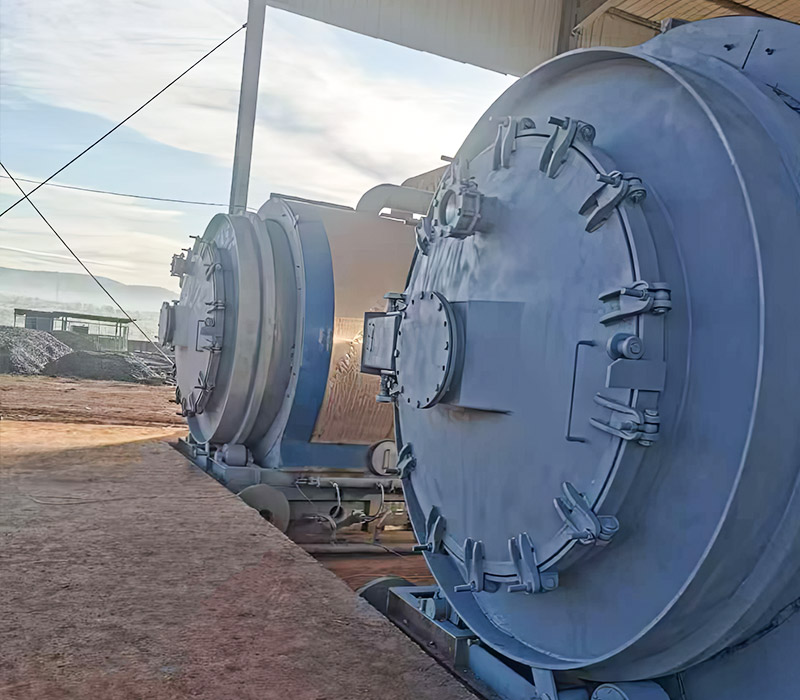
Every pyrolysis plant simultaneously generates four output streams, each with distinct market applications and revenue potential. Understanding how these products are used — and how their value varies with quality — is fundamental to investment planning.
The single most consequential equipment decision in any pyrolysis investment is the choice between batch and continuous plant configurations. These two approaches differ fundamentally in operation, economics, automation, and suitability for different project scales.
| Criterion | Batch Pyrolysis Plant | Continuous Pyrolysis Plant |
|---|---|---|
| Operating mode | Cyclic: load → heat → react → cool → discharge | 24/7 continuous feed and discharge |
| Daily capacity range | 1–20 tonnes/day | 20–100+ tonnes/day |
| Automation level | Semi-manual; higher labor requirement | Fully automated PLC/DCS control; minimal labor |
| Initial capital cost | Lower — accessible entry point for new investors | Higher — significant upfront investment required |
| Operating cost per tonne | Higher — cooling cycles consume energy | Lower — syngas self-sufficiency; no cooling downtime |
| Output consistency | Variable between batches | Highly consistent — stable temperature and residence time |
| Emissions compliance | More variable; requires careful cycle management | Easier to maintain steady-state emissions compliance |
| Best suited for | New investors, smaller waste streams, flexible feedstock mix | Commercial-scale operations, dedicated feedstock, 24/7 profitability |
The industry trend is clearly toward continuous plants for new large-scale commercial installations. Tightening emissions regulations, growing waste volumes, and the economics of scale — a single 30 TPD continuous unit can process approximately 10,000 tonnes of waste tires annually — favor continuous operation for any project targeting commercial profitability over a multi-year investment horizon. Batch plants remain the correct starting point for investors entering the sector with limited capital, flexible feedstock sourcing, or a need to prove the local market before committing to full-scale continuous operation.
The versatility of pyrolysis technology gives it a footprint across multiple industries and waste management sectors:
Pyrolysis and incineration are both thermal waste treatment technologies, and they are frequently compared. The environmental distinction between them is significant and increasingly recognized in regulatory frameworks.
Incineration is a combustion process that requires oxygen and generates heat, carbon dioxide, and a range of pollutants including dioxins, furans, acidic gases (SO₂, NOx), and particulate matter. While modern incinerators employ sophisticated flue gas treatment systems, the fundamental chemistry of combustion at high temperatures in the presence of organic chlorine compounds creates dioxin formation risk that requires continuous expensive monitoring and control to manage.
Pyrolysis, operating in an oxygen-deficient environment, avoids open-flame combustion and dramatically reduces dioxin formation risk. The sealed reactor design prevents volatile organic compound (VOC) leakage during processing, and the non-condensable gases are treated through multi-stage purification systems before any discharge. Critically, pyrolysis preserves the material value of waste streams — recovering oil, carbon, and metals — while incineration destroys that value to generate heat at relatively low efficiency. For a detailed side-by-side analysis covering emissions control, energy efficiency, and resource recovery rates, the environmental comparison between pyrolysis and waste incineration covers each dimension comprehensively.
For investors evaluating a pyrolysis plant project, the key decision variables extend beyond equipment specification to encompass feedstock supply, regulatory compliance, product offtake, and site infrastructure. A structured evaluation framework covers five areas:
The regulatory environment is an accelerating tailwind for the sector. For a detailed analysis of how government policy — from EU circular economy directives to extended producer responsibility schemes — is shaping the investment climate for pyrolysis plants globally, the article on how environmental policies are shaping the pyrolysis industry provides a comprehensive policy landscape overview. For independent cost, ROI, and technology benchmarking data across commercial projects, this independent pyrolysis plant investment guide offers verified operational data from 49+ delivered commercial projects.

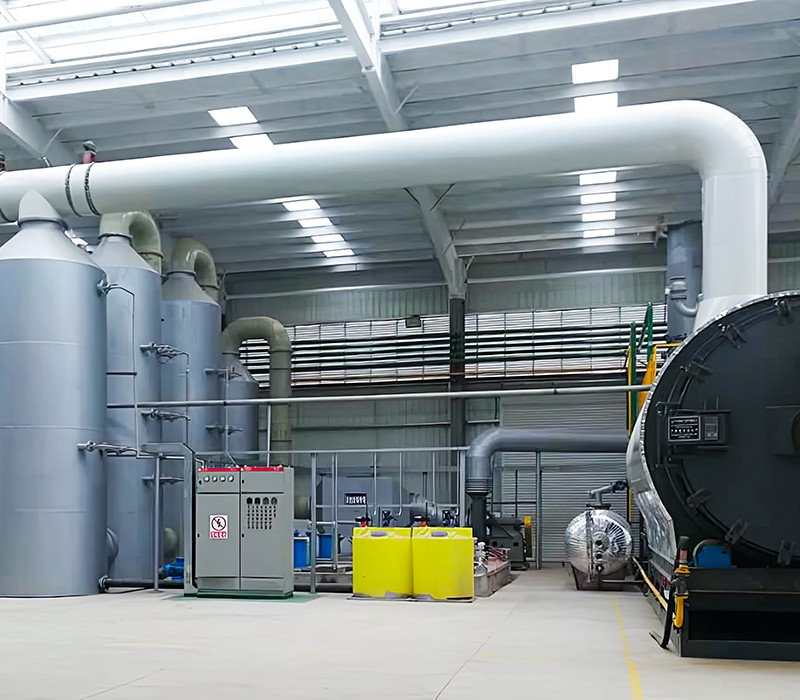
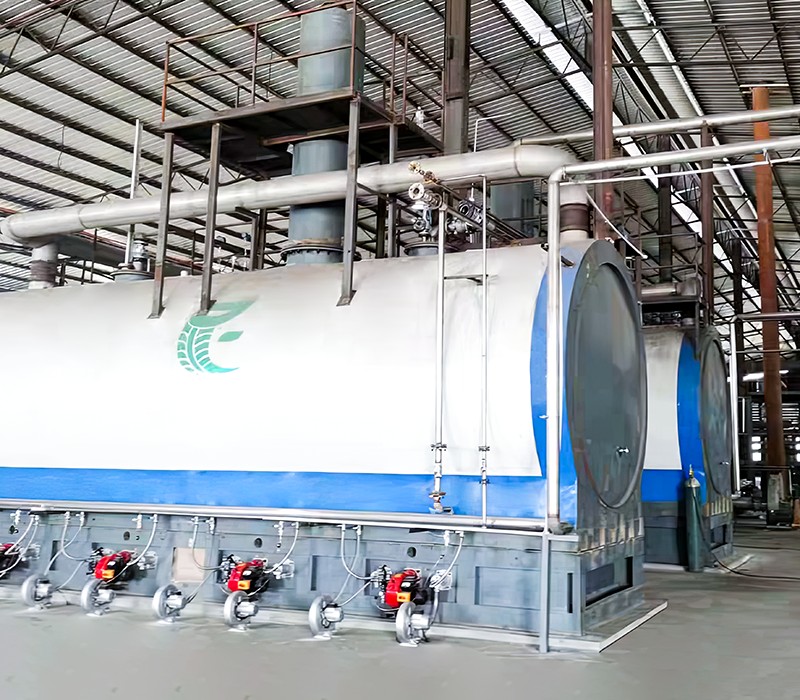



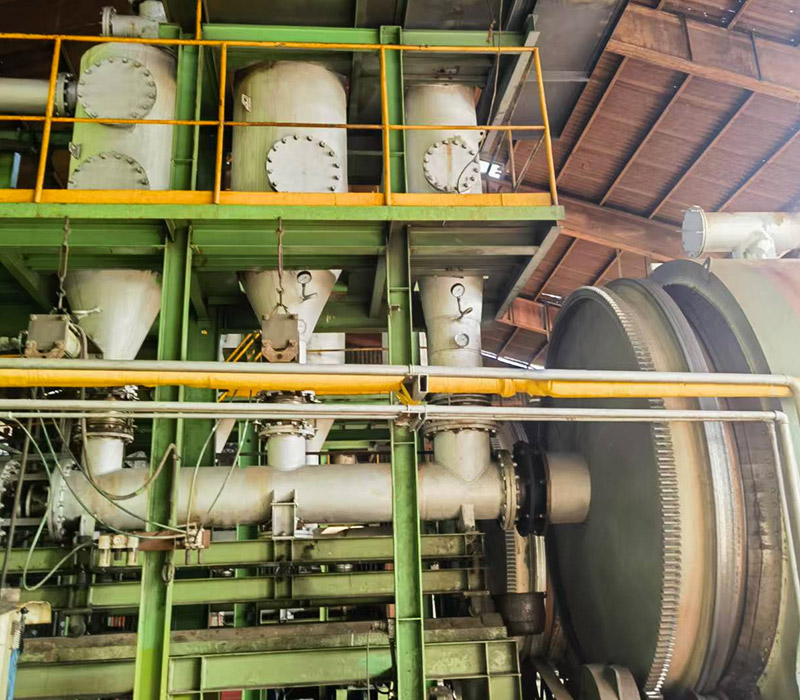



Let's Pyrolysis!


 +44 7529 150720
  [email protected]
  300 meters east of the South Railway Station in Shangqiu City, Henan Province
  Global Waste-to-Energy Solutions Waste Resource Utilization Equipment Manufacturer

 Profit Calculator
 English
 русский
 Français
 Español
 عربى
عربى