
 8 minutes
Among modern waste treatment technologies, pyrolysis and incineration are two commonly used methods. Both technologies aim to reduce waste volume and recover energy, but they differ significantly in environmental performance, technical characteristics, and end products. This article compares pyrolysis and incineration in terms of emissions control, energy efficiency, and resource utilization, highlighting which technology better aligns with environmental goals.
1. Differences in Emissions Control
Incineration Technology
Incineration is a direct combustion process that rapidly decomposes organic matter at high temperatures. However, this process produces significant amounts of harmful gases, such as dioxins, acidic gases (SO₂, NOx), and particulates. Without effective gas purification systems, these pollutants can severely impact air quality.
1. Modern incinerators are equipped with advanced emissions treatment systems, but these come with high costs and require continuous monitoring to meet environmental standards.
Pyrolysis Technology
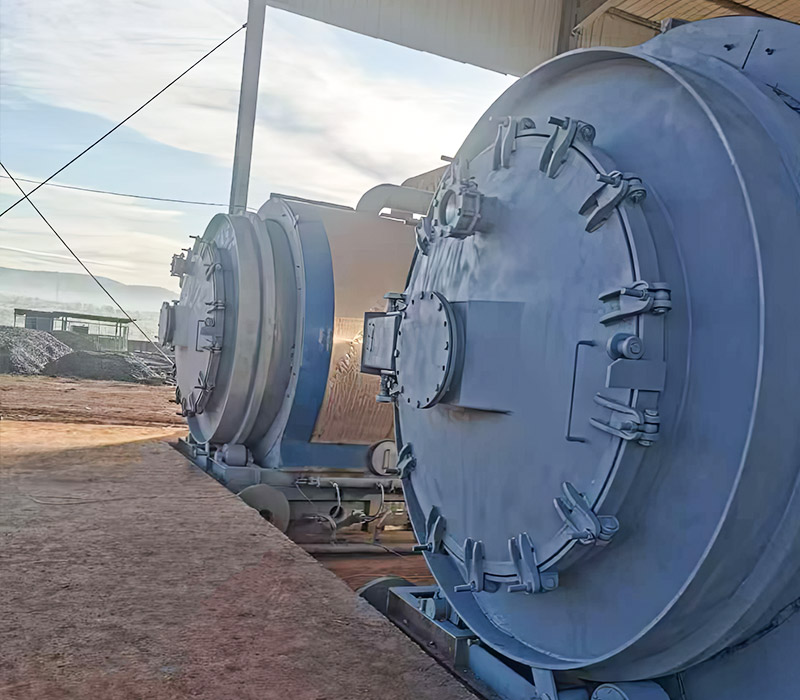
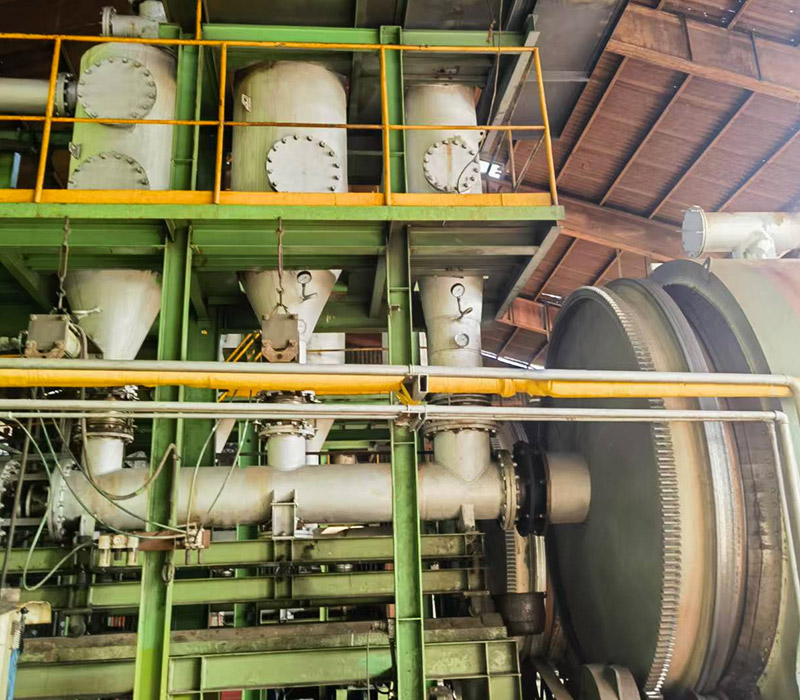
Pyrolysis occurs in an oxygen-deficient or anaerobic environment, avoiding open flames. As a result, pyrolysis produces fewer gaseous pollutants, significantly reducing the risk of dioxin formation.
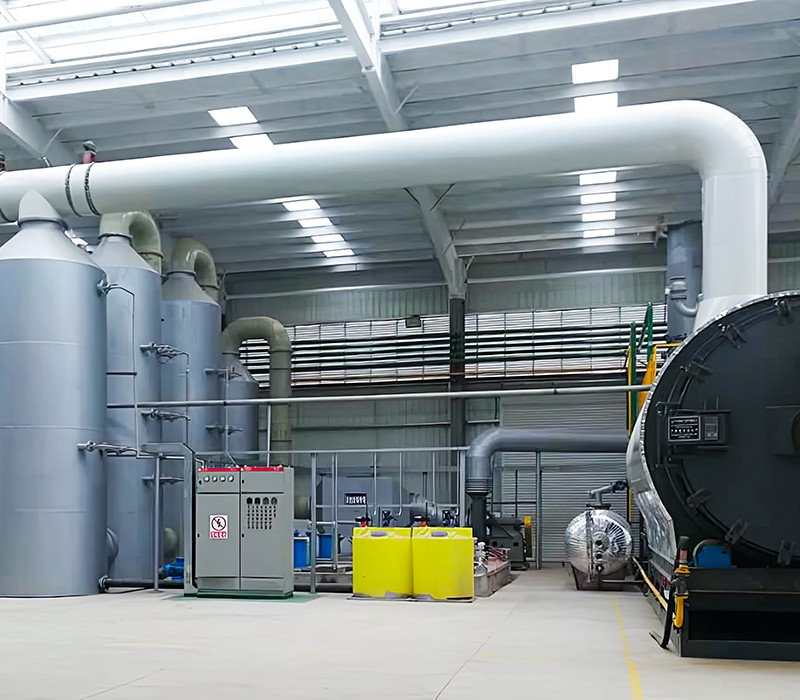
1. The gases generated during pyrolysis can be purified through advanced systems, ensuring compliance with environmental standards. Additionally, non-condensable gases (syngas) can be recovered and reused as fuel.
2. Energy Efficiency Comparison
Energy Utilization in Incineration
Incineration primarily generates heat energy, which is often recovered through waste heat boilers for power generation. However, energy recovery efficiency is relatively low due to substantial heat loss during the process.
1. For instance, low-calorific-value waste (e.g., wet garbage) often requires auxiliary fuel for combustion, further reducing energy efficiency.
Energy Advantages of Pyrolysis
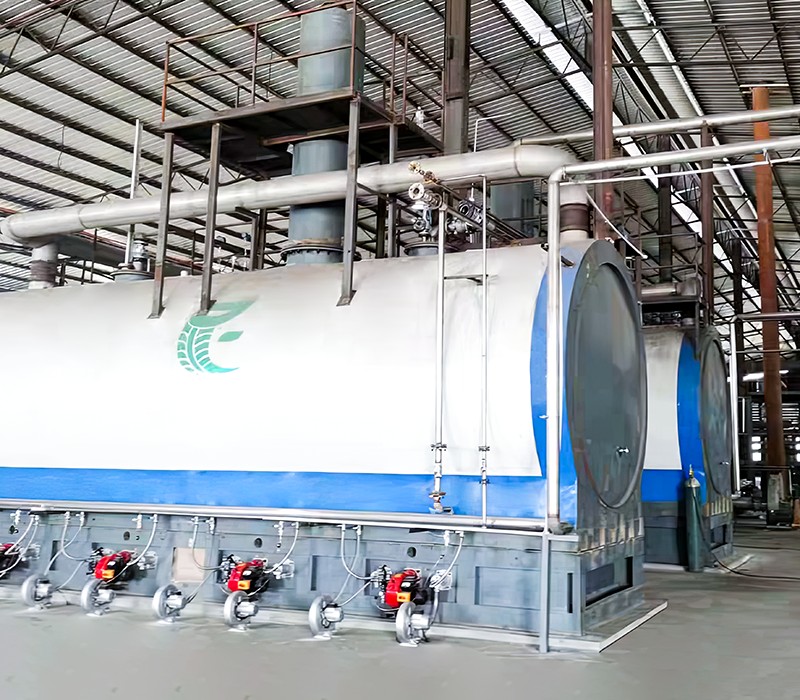
Pyrolysis not only generates high-energy-density fuels like pyrolysis oil and syngas but also achieves energy self-sufficiency. For example, the syngas produced during pyrolysis can be reused to heat the reactor, minimizing reliance on external fuel sources.
1. Pyrolysis oil can be further refined into diesel or gasoline, enhancing its versatility as an energy resource.
3. Resource Recovery Capability
Resource Loss in Incineration
Incineration is an oxidation process that leaves minimal recoverable byproducts. The resulting fly ash and slag can be partially used in construction materials but require additional treatment to meet safety standards.
Resource Recovery in Pyrolysis
Pyrolysis excels in resource recovery, producing valuable byproducts:
1. Pyrolysis Oil: Can be used as fuel or refined into diesel and gasoline.
2. Carbon Black: Suitable for industrial applications in rubber and plastics after further processing.
3. Steel Wire (from waste tires): Can be recycled for steelmaking or other industrial uses.
Compared to incineration, pyrolysis retains more of the useful components in waste, maximizing resource utilization.
4. Suitable Scenarios and Future Potential
Scenarios for Incineration
Incineration is suitable for low-calorific-value and mixed waste streams, such as municipal solid waste. However, its high pollution levels and low resource recovery rates make it less favorable under stricter environmental regulations.
Future of Pyrolysis
Pyrolysis, with its low pollution and high resource recovery rates, aligns with the principles of a circular economy. As costs decrease and technology advances, pyrolysis is expected to gain broader applications in treating waste plastics, tires, and other organic materials.
Conclusion
From an environmental perspective, pyrolysis outperforms incineration. Its low emissions, high resource utilization, and energy self-sufficiency make it a critical technology for green development and the circular economy. However, selecting the appropriate method still depends on the specific waste treatment needs.






Let's Pyrolysis!


 +44 7529 150720
  [email protected]
  300 meters east of the South Railway Station in Shangqiu City, Henan Province
  Global Waste-to-Energy Solutions Waste Resource Utilization Equipment Manufacturer

 Profit Calculator
 English
 русский
 Français
 Español
 عربى
عربى