
 8 minutes
Environmental policies are designed to minimize harmful emissions, promote waste reduction, and encourage the use of renewable resources. For the pyrolysis industry, these policies can either act as a catalyst for growth or present challenges that must be overcome.
Promoting Sustainable Waste Management
One of the key drivers for the growth of the pyrolysis industry is the increasing global emphasis on sustainable waste management. Governments are introducing policies that incentivize the recycling of waste and discourage landfilling and incineration. Pyrolysis, which transforms waste into valuable products, aligns well with these goals and is often seen as an eco-friendly alternative to traditional waste disposal methods.
For example, policies that encourage the reduction of single-use plastics or promote the use of bio-based products have led to an increased demand for pyrolysis technology, as it can process various types of plastic and biomass waste that would otherwise end up in landfills.
Regulations on Emissions and Pollution
Despite its environmental benefits, pyrolysis has the potential to release harmful gases and pollutants if not properly managed. To mitigate these risks, many countries have set strict emissions regulations for industries involved in thermal treatments, including pyrolysis plants.
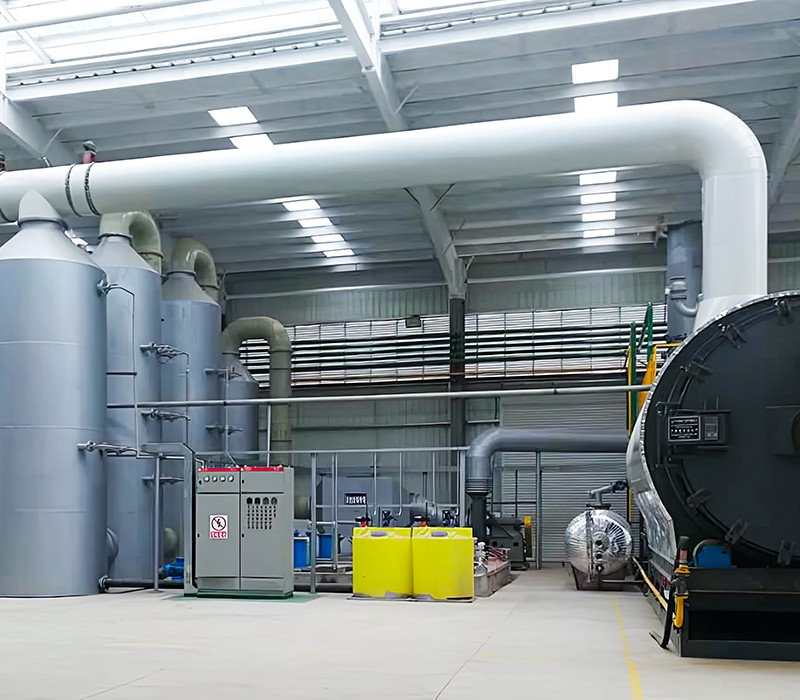
Environmental policies often require the installation of advanced filtration systems and emission controls to ensure that air quality standards are met. These regulations have prompted pyrolysis companies to adopt cleaner technologies and invest in research and development to minimize their environmental impact.
Support for Renewable Energy
As governments shift towards renewable energy sources, policies aimed at reducing carbon emissions and increasing the share of green energy in the energy mix have created opportunities for pyrolysis to integrate into the renewable energy sector. The production of biofuels and syngas from pyrolysis can contribute to energy production in a sustainable manner, making it an attractive option for countries aiming to meet their renewable energy targets.
For instance, policies that promote the use of alternative fuels in transportation and power generation have spurred interest in bio-oil and syngas produced through pyrolysis. This alignment with renewable energy goals has positioned the pyrolysis industry as a key player in the transition to a low-carbon economy.
Economic Incentives and Funding
Governments around the world are offering economic incentives and funding to businesses that adopt green technologies and contribute to environmental sustainability. For the pyrolysis industry, this includes grants, tax breaks, and subsidies for companies that implement pyrolysis systems that meet environmental standards.
These incentives make it financially attractive for companies to invest in pyrolysis plants and technologies, accelerating the development of the industry. Additionally, the growing focus on green energy and sustainable practices has made pyrolysis a more economically viable solution for waste management.
Challenges Posed by Environmental Policies
While environmental policies have undoubtedly driven the growth of the pyrolysis industry, they also come with certain challenges.
Compliance Costs
The cost of meeting emissions standards, obtaining permits, and implementing pollution control technologies can be significant. Small and medium-sized pyrolysis companies may find it difficult to afford the necessary upgrades or modifications required to comply with stringent regulations.
Increased Competition
As more companies enter the waste-to-energy market, driven by favorable policies, competition within the pyrolysis industry has intensified. Companies must continuously innovate to stay ahead of the competition and meet the rising demand for more efficient and environmentally friendly pyrolysis systems.
Environmental policies have played a pivotal role in shaping the pyrolysis industry. By promoting sustainable waste management, reducing emissions, and supporting renewable energy initiatives, these policies have not only boosted the adoption of pyrolysis technology but have also driven significant advancements in the sector. However, the industry also faces challenges, including the high costs of compliance and growing competition. For the pyrolysis industry to continue its growth trajectory, it will need to navigate these challenges while capitalizing on the opportunities presented by an increasingly green and regulated global market.






Let's Pyrolysis!


 +44 7529 150720
  [email protected]
  300 meters east of the South Railway Station in Shangqiu City, Henan Province
  Global Waste-to-Energy Solutions Waste Resource Utilization Equipment Manufacturer

 Profit Calculator
 English
 русский
 Français
 Español
 عربى
عربى