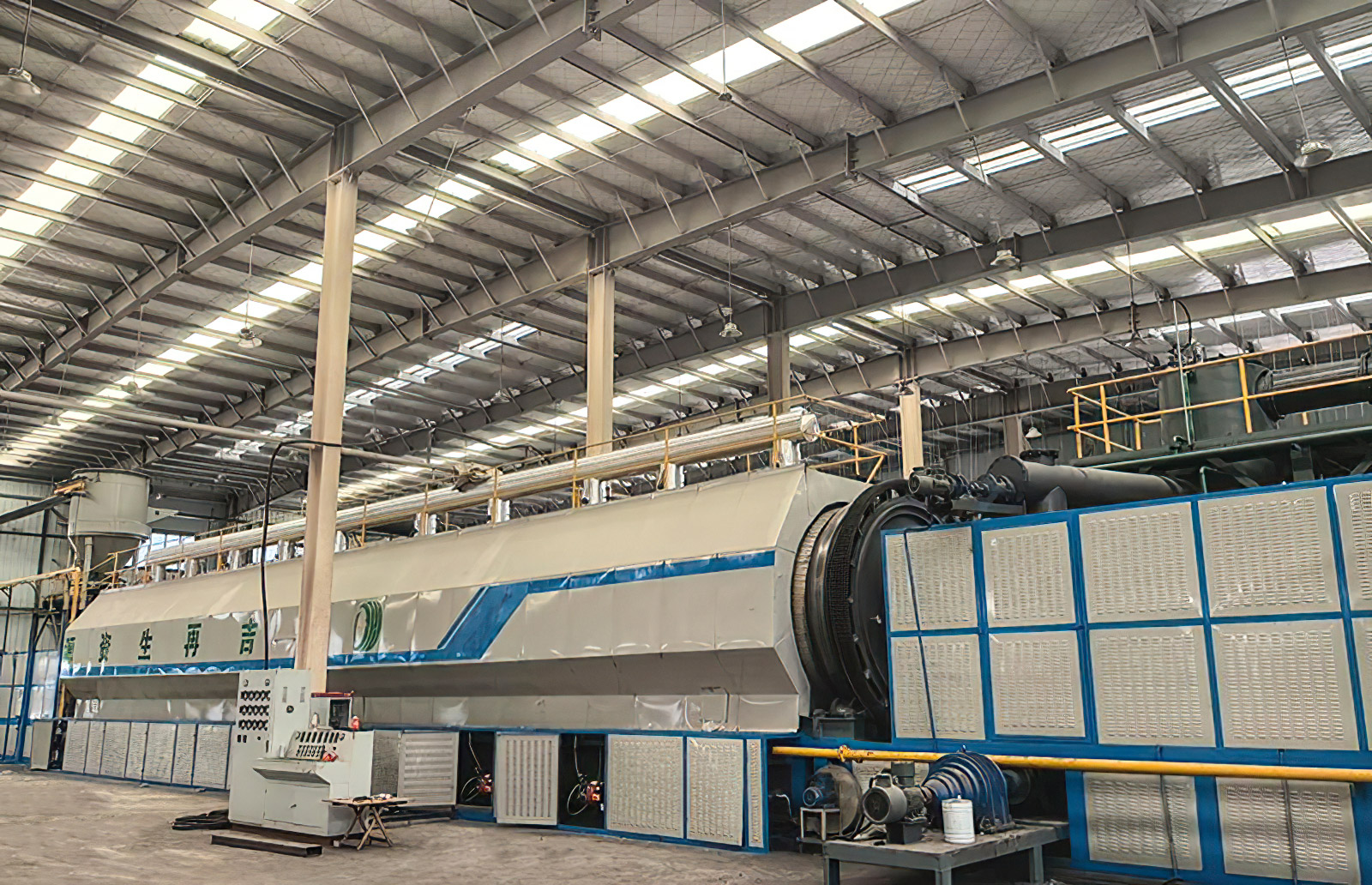
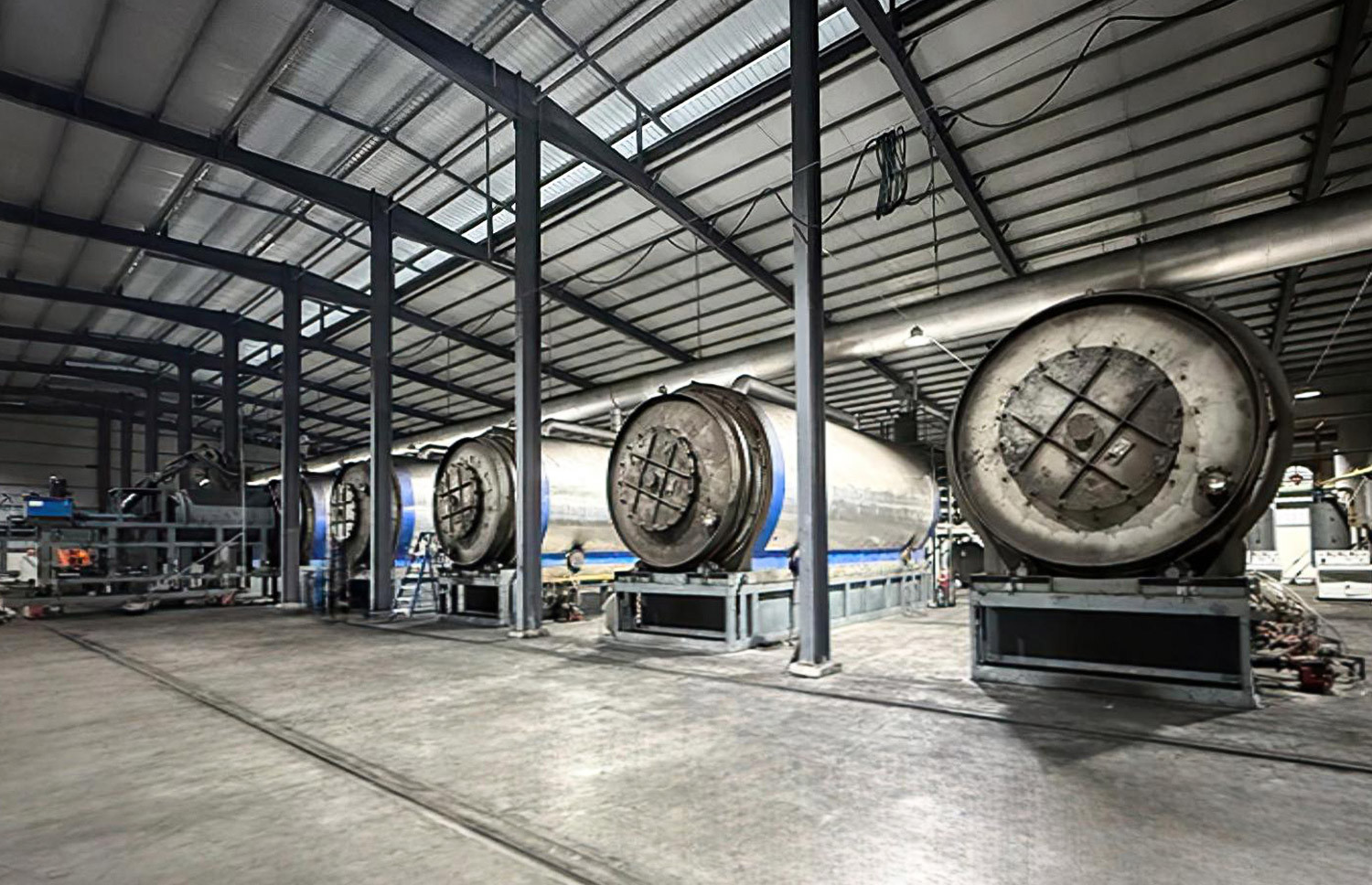
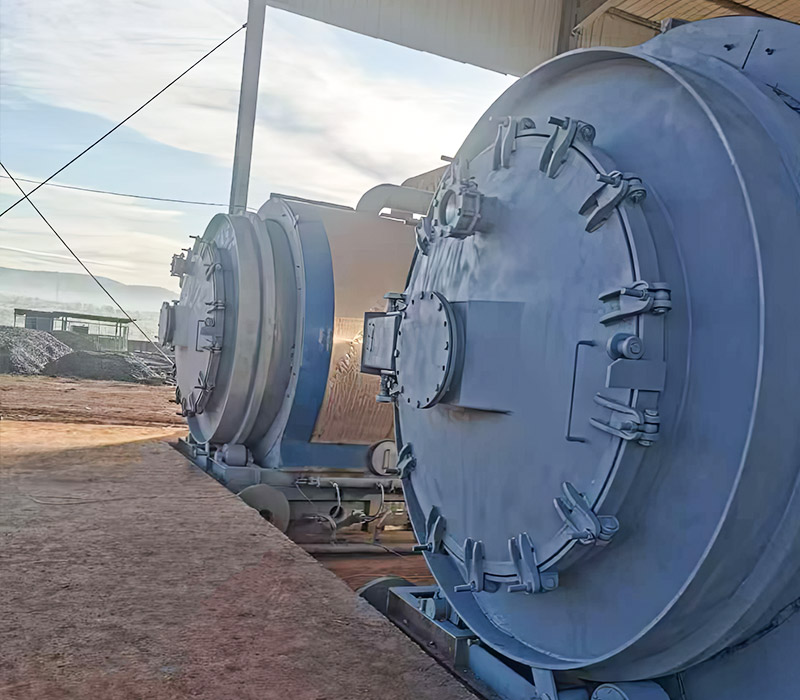
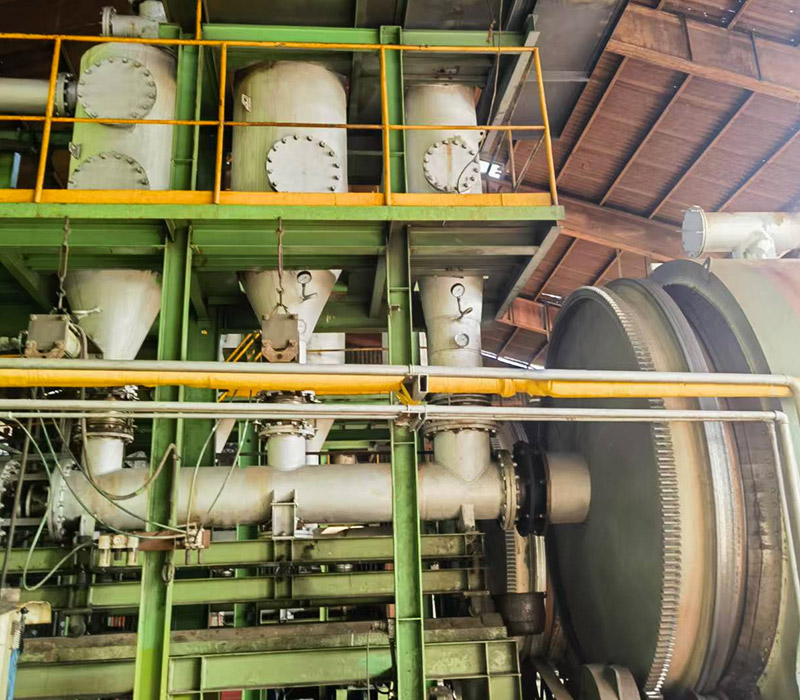
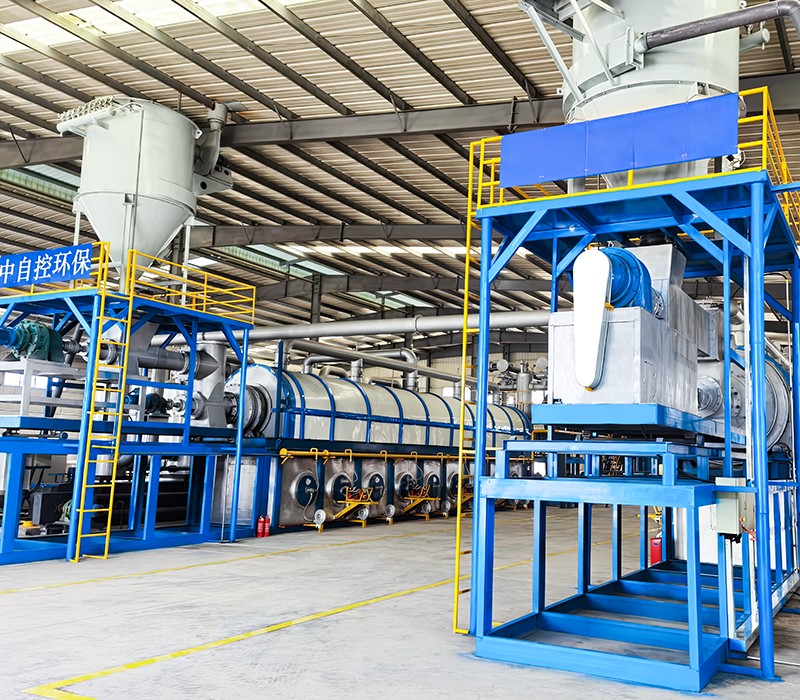
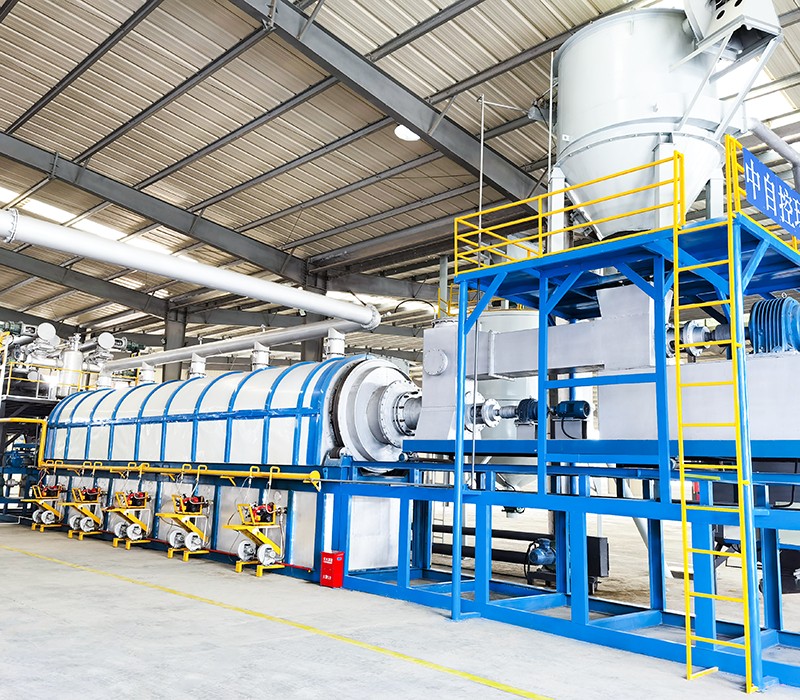
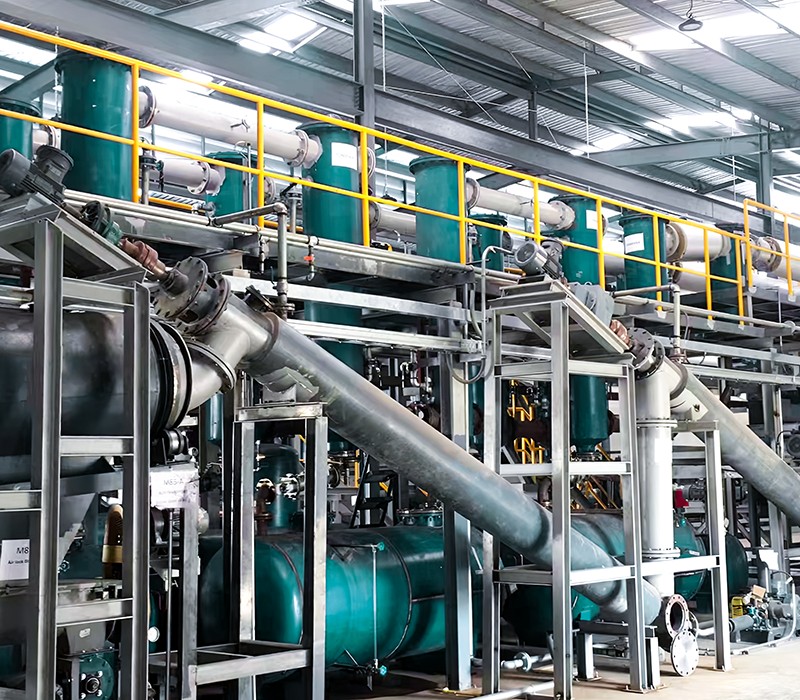
Our pyrolysis equipment - in the absence of oxygen efficiently converts over 100 types of waste materials—including waste tires, plastics, medical waste, municipal solid waste, oil sludge, and biomass—into valuable byproducts: fuel oil, carbon black, and reusable gas.
Key advantages for large-scale industrial clients:
High Capacity & Efficiency (1–50 tons/day)
Robust & Reliable Construction(high-grade steel reactors, horizontal or rotary)
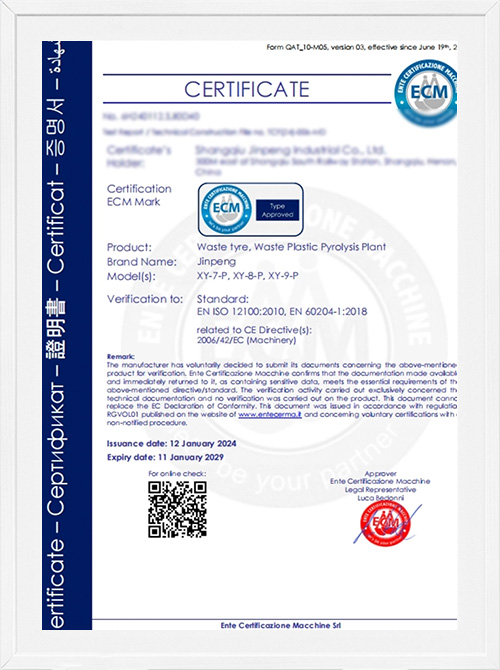
Automated & Eco-Friendly Operation (gas recycling, ISO/CE-certified)
Energy Efficient (non-condensable gases reused as reactor fuel)
Advanced Waste Treatment(thermally decomposes organic materials in absence of oxygen), and Supports Circular Economy Goals(turns waste into profitable resources).
Applications: suitable for waste tyres, plastic films, packaging materials, rubber scraps, and municipal solid waste (MSW).








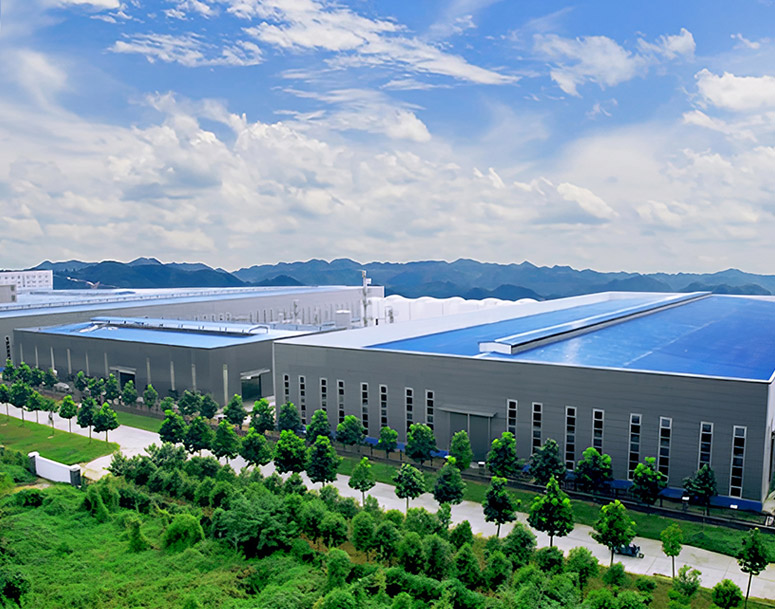

Company was founded


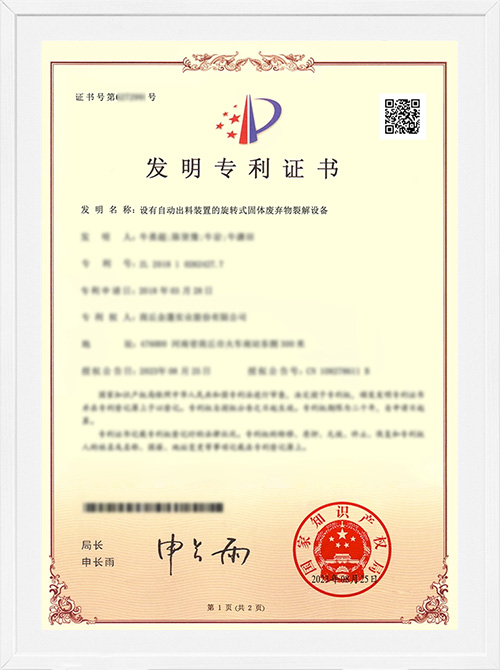
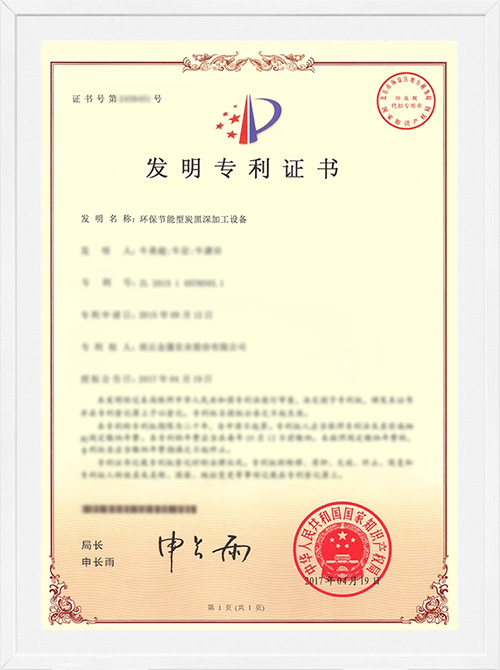
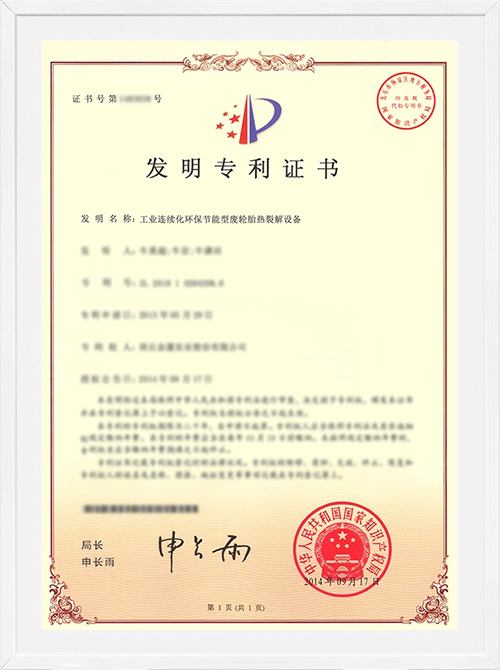
Pyrolysis is a thermochemical process that uses heat in the absence of oxygen to break down materials such as waste tires, plastics, medical waste, municipal solid waste, oil sludge, and biomass. The pyrolysis equipment is specifically designed to convert these materials into valuable byproducts like fuel oil, carbon black, and reusable gas. This process plays a critical role in addressing waste management challenges while creating usable resources that can contribute to sustainability.
Tyre Pyrolysis Machine is highly versatile, capable of handling more than 100 different types of waste materials. Some of the key applications include:
The pyrolysis process begins with the waste material being loaded into a reactor, which is heated to high temperatures—usually between 300°C and 900°C. This heat breaks down the long-chain molecules in the waste, resulting in the production of three main byproducts: fuel oil, carbon black, and gas. These byproducts are collected separately, and the gases can even be used to fuel the pyrolysis process, making the system energy-efficient.
The reaction occurs in the absence of oxygen, preventing combustion and ensuring that harmful emissions are minimized. The fuel oil produced can be further refined and used as an energy source, while the carbon black can be used in various industries such as rubber manufacturing, construction, or as an industrial additive. The reusable gases, primarily composed of methane and carbon monoxide, can be burned as fuel to power the system itself, creating a closed-loop energy cycle.
The use of pyrolysis equipment offers several benefits that contribute to both waste management and environmental protection:
Pyrolysis equipment is designed to process a wide variety of waste materials. Below is a breakdown of the types of materials that can be processed:
One of the most common uses of pyrolysis equipment is to recycle waste tires. These tires, when processed, can be converted into valuable fuel oil, carbon black, and syngas. The oil produced can be refined for use in industrial applications or power generation.
Plastics are a major environmental issue due to their slow decomposition in landfills. Pyrolysis offers an effective method of converting plastic waste into useful fuel oil and carbon black, reducing the need for landfill space and providing valuable materials for various industries.
Medical waste, which often includes hazardous materials, can be safely disposed of using pyrolysis equipment. The process converts this waste into reusable fuel oil while neutralizing potential toxins.
Biomass materials such as agricultural waste and wood chips can be transformed into biofuels, which can serve as a renewable energy source for heating, electricity generation, and even transportation fuel.


Let's Pyrolysis!


 +44 7529 150720
  [email protected]
  300 meters east of the South Railway Station in Shangqiu City, Henan Province
  Waste Tire Pyrolysis Machine Manufacturer

 Profit Calculator
 English
 русский
 Français
 Español
 عربى
عربى