
 5 minutes
The Urban Waste Crisis That Conventional Methods Can't Solve
Every major city on earth generates more waste than it can comfortably manage. Global municipal solid waste (MSW) generation crossed 2.1 billion tonnes per year and is projected to reach 3.4 billion tonnes by 2050, driven by urbanization in Asia, Africa, and Latin America. At the same time, the two dominant disposal methods — landfilling and incineration — are both hitting structural limits.
Landfills are running out of space. In densely populated regions, finding sites acceptable to local communities and environmental regulators has become prohibitively difficult. The landfills that do operate leak methane — a greenhouse gas 80 times more potent than CO₂ over a 20-year horizon — and risk groundwater contamination for decades after closure. Incineration solves the volume problem but trades it for an emissions problem: even modern waste-to-energy incinerators produce dioxins, NOx, SO₂, and fine particulates that require expensive control systems and generate ongoing community opposition. Neither method recovers the material value embedded in the waste stream.
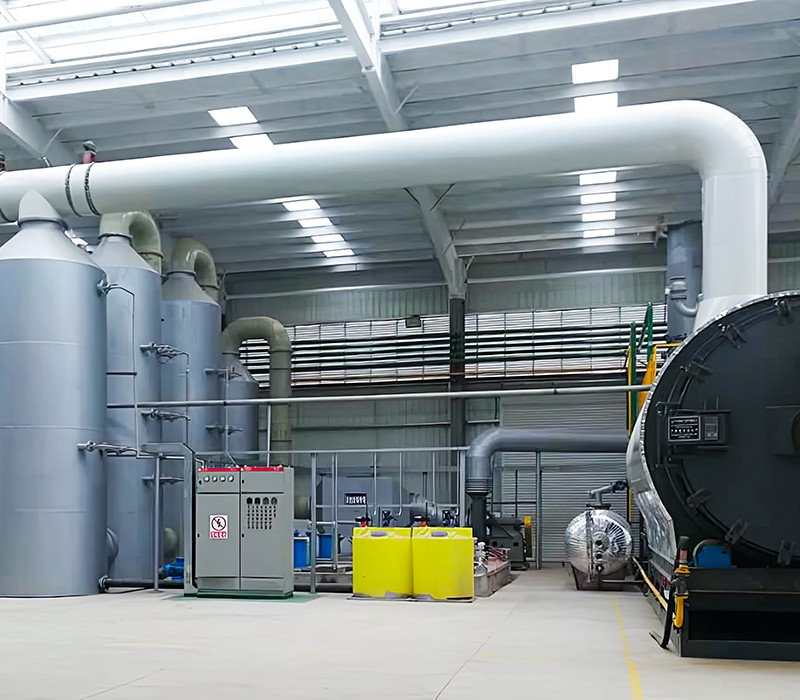
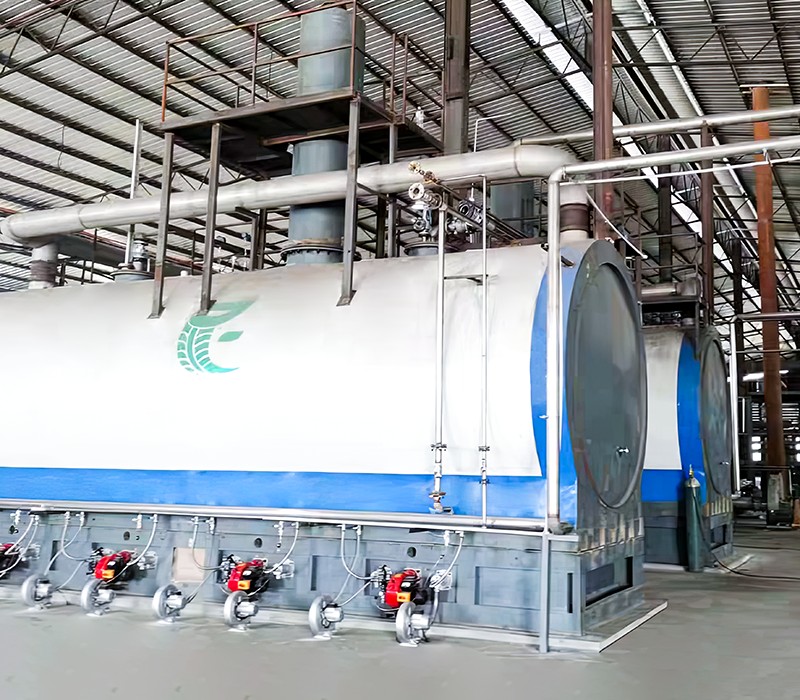
This is precisely the gap that pyrolysis plants are positioned to fill. By converting the organic fraction of urban waste into fuel oil, carbon materials, and clean syngas through oxygen-deficient thermal decomposition, pyrolysis transforms the waste management equation from a cost-and-disposal problem into a resource-recovery opportunity. The question facing urban planners, environmental agencies, and infrastructure investors is no longer whether pyrolysis works — it is how to integrate it effectively into the urban waste management system.
Content
The fundamental distinction between pyrolysis and conventional waste disposal is what happens to the material being processed. Landfilling stores it. Incineration destroys it. Pyrolysis transforms it.
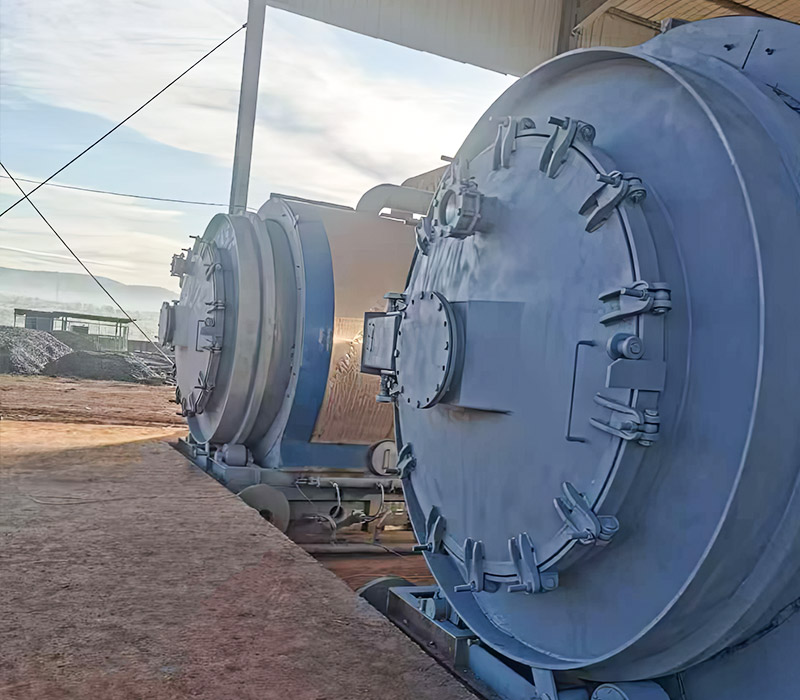
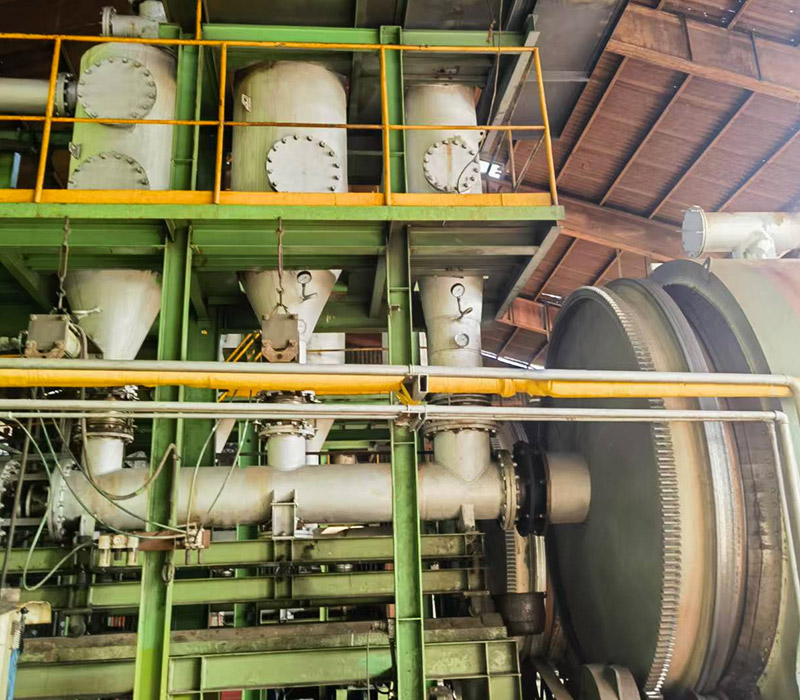
In a pyrolysis plant, organic waste — sorted to remove inorganic materials — is loaded into a sealed reactor vessel and heated to 380–600°C in an atmosphere with controlled oxygen levels close to zero. At these temperatures and in the absence of combustion, the long-chain organic molecules in the waste break apart through thermal decomposition, yielding three simultaneous output streams: pyrolysis oil (a liquid fuel with calorific value comparable to heavy fuel oil), solid carbon residue (carbon black or char), and non-condensable syngas (a combustible mixture of hydrogen, methane, and carbon monoxide). As the comprehensive overview at CharGrow's analysis of pyrolysis plants transforming waste into resources notes, this technology helps reduce landfill waste and dependence on fossil fuels while creating valuable products from materials that would otherwise be discarded.
For urban applications, this means a pyrolysis plant serves three functions simultaneously: it processes waste that would otherwise require landfill or incineration, it generates a fuel product that displaces conventional fossil fuels in industrial applications, and it produces carbon materials with agricultural or industrial applications. The combination of waste reduction, resource recovery, and emissions avoidance makes pyrolysis uniquely well-aligned with the goals of modern urban sustainability planning.
Not all urban waste is equally suited to pyrolysis processing. The technology performs best on organic-rich, non-inorganic waste fractions — and urban waste management systems must be designed accordingly to deliver the right material to the pyrolysis facility.
The waste streams that generate the strongest economics and the cleanest reactor performance in urban contexts are:
Materials that require pre-sorting before entering a pyrolysis reactor include glass, metals, concrete, and food waste — all of which must be diverted to appropriate processing streams before the combustible organic fraction reaches the plant. An effective urban pyrolysis deployment requires integration with the city's broader waste sorting and collection infrastructure, not operation as a standalone end-of-pipe solution.

The comparison between pyrolysis and incineration is particularly consequential in urban settings, where proximity to residential populations, regulatory scrutiny, and community acceptance all bear heavily on technology selection.
Incineration's principal advantage is its tolerance for unsorted, mixed, high-moisture waste — characteristics that reflect the reality of poorly managed urban waste streams. Its principal disadvantages are the emissions profile, the high capital cost of emissions treatment systems required to meet modern standards, and the community opposition that waste-to-energy incinerators routinely attract in urban planning processes. The energy recovery efficiency of incineration is also relatively low: significant heat is lost in the combustion process, and generating electricity from waste heat involves further thermodynamic losses that limit the practical energy recovery fraction.
Pyrolysis's advantages in urban settings are precisely those that address incineration's weaknesses. Operating in a sealed, oxygen-deficient reactor eliminates the open-flame combustion that generates dioxins. The closed-system design dramatically reduces the community impact profile: no visible flames, lower noise levels, and a contained process footprint. The material recovery outputs — fuel oil and carbon materials — have higher economic value than the electricity or steam produced by incinerators from the same waste tonnage. For a rigorous comparison of emissions, energy efficiency, and resource recovery rates across both technologies, the analysis in environmental comparison between pyrolysis and waste incineration provides the technical depth that investment and planning decisions require.
The practical limitation of pyrolysis in urban deployment is feedstock quality: the technology requires pre-sorted, organic-rich waste streams to perform optimally. Cities with mature waste separation infrastructure — Western Europe, Japan, South Korea, Singapore — can deploy pyrolysis effectively at scale. Cities with lower waste separation rates need parallel investment in sorting infrastructure to realize the full potential of pyrolysis technology.
Policy is the single most powerful driver of pyrolysis plant adoption in urban environments. Where governments have established clear regulatory frameworks that recognize pyrolysis as a form of chemical recycling, create economic incentives for waste-derived fuel, and set landfill diversion targets that make conventional disposal increasingly expensive, pyrolysis investment has accelerated significantly.
Several policy levers are actively shaping the urban pyrolysis landscape:
For a comprehensive analysis of how environmental policies across different regulatory jurisdictions are creating both opportunities and compliance challenges for pyrolysis plant operators and investors, the detailed review of how environmental policies are shaping the pyrolysis industry covers the full regulatory landscape with practical investment implications.
Pyrolysis technology has moved well beyond pilot-scale demonstration in urban environments. Commercial and near-commercial deployments across multiple cities and countries provide a growing body of operational evidence for urban planners and investors.
In Amsterdam, Netherlands, a pyrolysis facility processing urban plastics, rubber, and organic waste converts these materials at high temperatures into bio-oil, syngas, and carbon black — reducing landfill waste while significantly lowering harmful gas emissions. The facility represents an important model for integrating pyrolysis into a city's circular economy infrastructure alongside established composting and conventional recycling streams. The detailed documentation of this and other urban applications, including analysis of how pyrolysis fits into broader city waste management systems, is covered in the case study compilation at pyrolysis technology in urban development: real applications.
In Asian markets — where rapid urbanization is generating waste volume growth that outpaces conventional infrastructure — pyrolysis plants are being integrated into industrial parks and waste processing zones that co-locate multiple waste treatment technologies. This cluster approach achieves economies of scale in feedstock logistics, shared infrastructure, and compliance monitoring while allowing different feedstock streams to be routed to the most appropriate processing technology.
The most forward-looking urban deployments of pyrolysis technology treat it not as a standalone waste processing facility but as a node in a distributed energy and resource recovery network. This integration model — increasingly associated with "smart city" infrastructure planning — realizes benefits that isolated plant operation cannot.
In a distributed energy context, pyrolysis plants generate fuel oil and syngas that can feed into local industrial energy networks, displacing imported fossil fuels and reducing energy cost for co-located industries. The syngas recovered from the pyrolysis process — a mixture of hydrogen, methane, and carbon monoxide with significant calorific value — can power the plant's own operations, feed into local industrial burner systems, or support small-scale power generation. The full spectrum of syngas utilization pathways, from direct industrial combustion to hydrogen extraction for fuel cells and chemical synthesis, is analyzed in the technical reference on composition and energy value of pyrolysis gas.
In a circular economy context, pyrolysis plants provide the chemical recycling pathway for organic waste fractions that mechanical recycling cannot process — mixed contaminated plastics, rubber, composite materials. By converting these streams into circular fuel and carbon feedstocks rather than sending them to landfill or incineration, urban pyrolysis facilities close material loops that would otherwise remain open, contributing measurably to a city's circular economy performance indicators and carbon accounting.
Carbon capture integration is an emerging development pathway for urban pyrolysis operations. The concentrated CO₂ streams generated in tail gas treatment systems are technically accessible for carbon capture and storage or utilization (CCUS) applications, potentially enabling pyrolysis plants to achieve net-negative carbon operation when processing biogenic waste feedstocks such as agricultural residues and biomass — a meaningful contribution to urban net-zero targets.
Successfully integrating a pyrolysis plant into an urban waste management system requires planning that spans technical, regulatory, community, and commercial dimensions. The key considerations for urban deployment differ in several respects from greenfield industrial site installations:
The convergence of waste volume growth, regulatory pressure, and improving pyrolysis economics means that urban pyrolysis plant deployment is no longer a niche or experimental proposition. It is an emerging infrastructure category with a growing commercial track record — one that is increasingly well-supported by policy, financed by infrastructure capital, and demanded by the waste management challenges that no other available technology is positioned to address as effectively.






Let's Pyrolysis!


 +44 7529 150720
  [email protected]
  300 meters east of the South Railway Station in Shangqiu City, Henan Province
  Global Waste-to-Energy Solutions Waste Resource Utilization Equipment Manufacturer

 Profit Calculator
 English
 русский
 Français
 Español
 عربى
عربى