
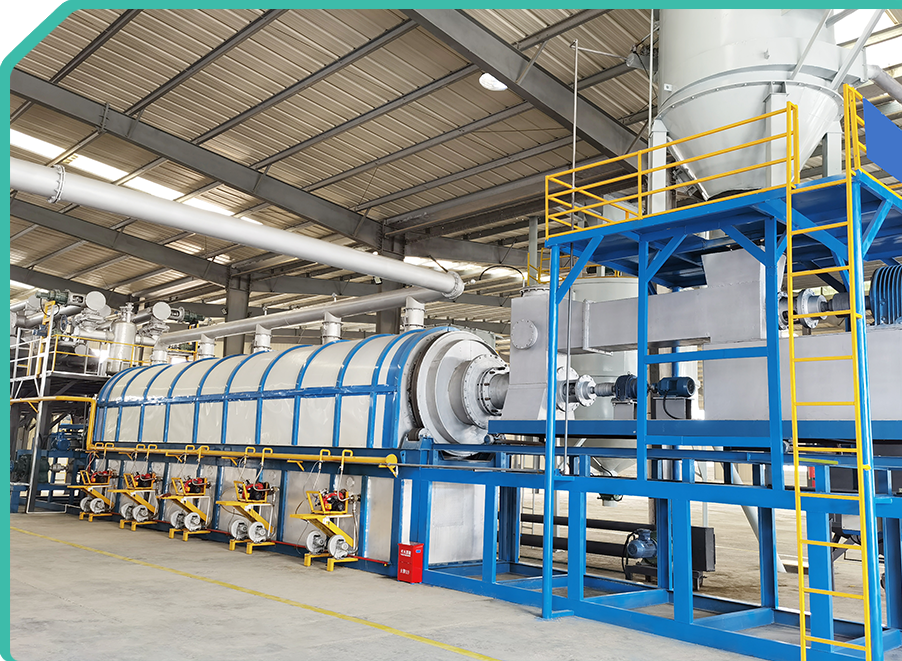
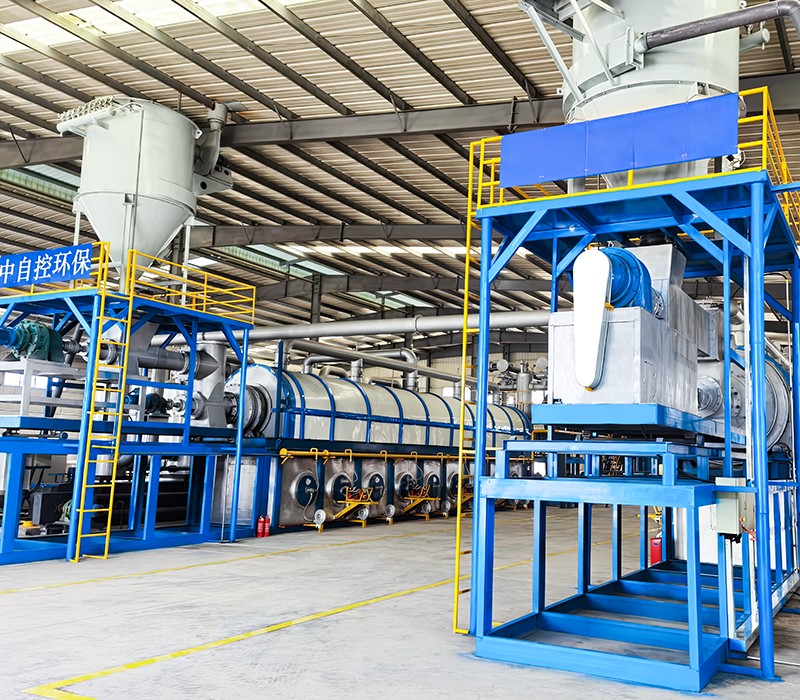
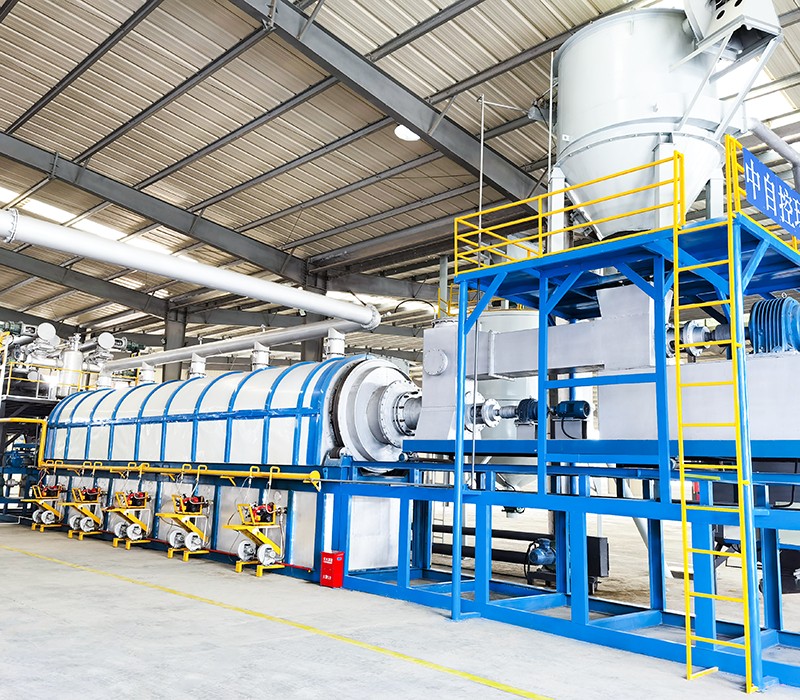
The continuous pyrolysis plant (PC) enables fully automated 24/7 operation and self-sustaining syngas recycling, eliminating external fuel consumption. With 20-50T/day capacity, it converts tires into oil/carbon black using Q345R steel, featuring ≤85dB noise and micro-negative pressure technology for eco-safe, emission-controlled production.
The whole system adopts spiral feeding + sealed slag discharge structure, without manual intervention, truly realizing continuous feeding and continuous carbon discharge. It is particularly suitable for stable processing of bulk materials, such as tire particles, plastic flakes, oil sludge mixtures, etc.
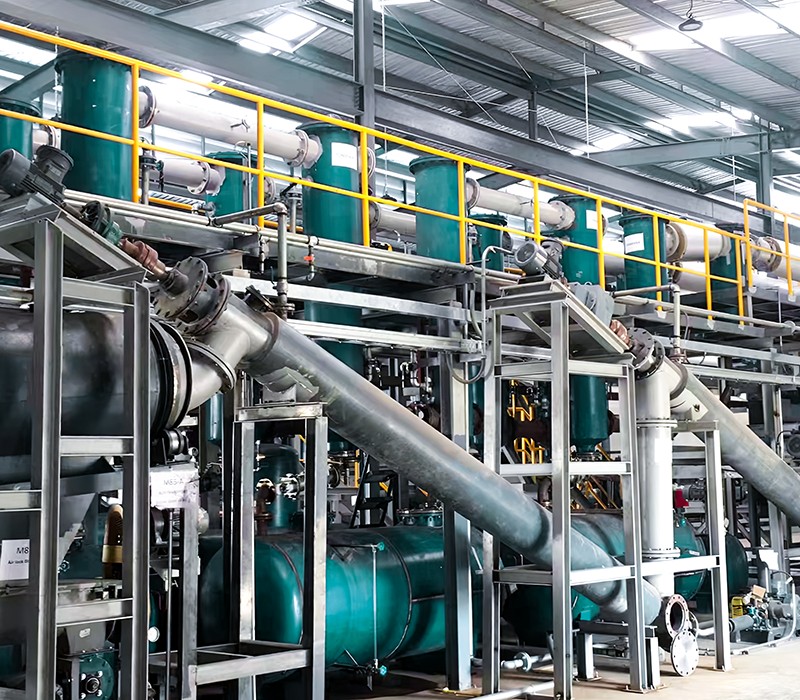
Equipped with a multi-stage gas condensation system to improve the light oil recovery rate and make the oil output cleaner and more stable.
The system integrates hot flue gas waste heat utilization and a combustible gas self-circulation combustion system, greatly reducing external fuel dependence.
The combustion chamber waste heat power generation system can be optionally equipped to further improve energy efficiency.



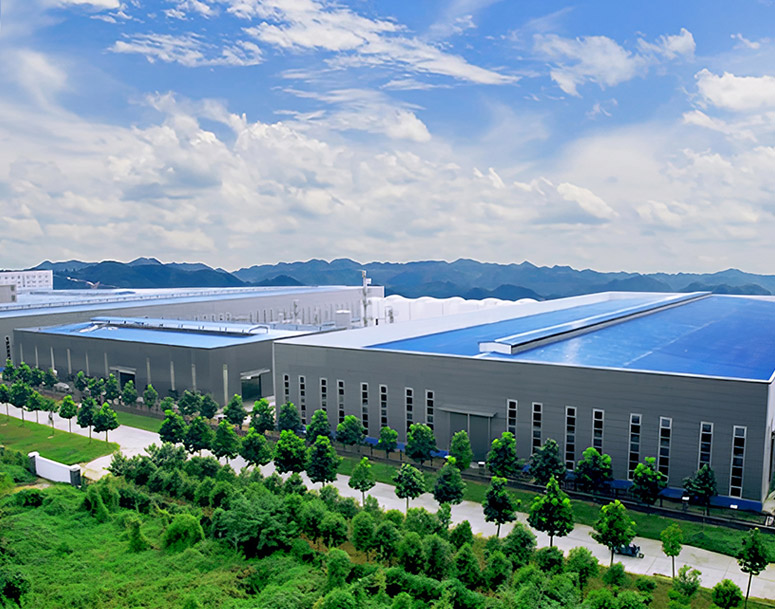

Company was founded
What Safety Measures Does Pyrojin ECO Industrial Co., Ltd.’s Continuous Pyrolysis Machine Have to Deal with High Temperatures and Flammable Gases?
In the rapidly evolving field of waste-to-energy technology, operational safety remains the cornerstone of sustainable innovation. Pyrojin ECO Industrial Co., Ltd., a pioneer in continuous pyrolysis solutions, has elevated this principle to a science. Their continuous pyrolysis systems not only maximize efficiency and energy recovery but also embed multilayered safety architectures designed to manage the dual challenges of high-temperature processing and flammable gas handling.
Engineering Safety at the Core
The continuous pyrolysis plant (PC) from Pyrojin Technology is constructed from Q345R pressure vessel-grade steel, a material renowned for its exceptional strength and thermal endurance. This high-grade alloy ensures structural integrity even under sustained thermal loads, guarding against fatigue, deformation, or rupture during continuous 24-hour operation. The robust steel shell forms the first line of defense against thermal stress, enabling stable and predictable reactions within the reactor chamber.
Equally critical is the plant’s micro-negative pressure control system, which maintains the entire process under slight vacuum conditions. This subtle engineering nuance prevents any inadvertent gas leakage and minimizes the risk of combustible vapors escaping into the workspace. In essence, the system maintains a controlled internal environment where gases flow inwards rather than out, thereby ensuring safe and emission-contained production.
Fully Automated Operation for Minimal Risk
Automation is another pillar of safety in Pyrojin’s continuous pyrolysis technology. The system enables fully automated, 24/7 continuous operation, eliminating the need for manual feeding or discharge—common sources of operational hazards. The design integrates spiral feeding and sealed slag discharge mechanisms, ensuring that high-temperature materials are handled within enclosed pathways from start to finish.
This closed-loop handling system effectively prevents direct human contact with hot surfaces or volatile substances. It also supports uninterrupted processing of feedstocks such as tire particles, plastic flakes, and oil sludge mixtures, maintaining a uniform thermal balance and reducing the potential for overpressure incidents.
Intelligent Gas Management and Combustion Safety
At the heart of the pyrolysis process lies the conversion of solid waste into syngas, a flammable mixture of hydrocarbons. Pyrojin’s system employs a self-sustaining syngas recycling circuit, ensuring that combustible gases are immediately captured, purified, and redirected into the heating system as an internal fuel source. This process eliminates the accumulation of free gases and drastically reduces dependence on external fuels—mitigating the primary fire and explosion risks associated with volatile gas storage.
A multi-stage gas condensation unit further enhances safety and efficiency. By segmenting and cooling pyrolysis vapors through multiple condensation stages, the system improves the recovery rate of light oil while preventing uncondensed gases from lingering within the pipelines. The result is a cleaner, more stable oil output and a lower chance of spontaneous ignition caused by residual hydrocarbons.
Controlled Combustion and Waste Heat Utilization
The design philosophy behind Pyrojin’s pyrolysis machine extends beyond immediate process control to encompass comprehensive energy management. The combustible gas self-circulation system ensures that excess syngas is safely burned in a controlled chamber, maintaining optimal temperature levels without external fuel input.
Meanwhile, the hot flue gas waste heat recovery system captures residual thermal energy, repurposing it for preheating or optional waste heat power generation. This dual strategy not only boosts energy efficiency but also prevents localized overheating—one of the most insidious risks in continuous high-temperature systems.
Noise, Pressure, and Environmental Safeguards
Safety in pyrolysis is not limited to temperature and combustion. Pyrojin’s continuous plant maintains operational noise levels below 85 decibels, ensuring a safe auditory environment for operators. The micro-negative pressure design and precision-sealed structures suppress emissions of both gas and particulate matter, aligning the plant’s operation with international environmental standards.
Every subsystem—from pressure relief valves to automatic temperature sensors and emergency shutdown protocols—works in harmony to anticipate anomalies before they escalate. This synergy between mechanical integrity and digital oversight reflects Pyrojin’s holistic understanding of industrial safety.
Certification and Global Reliability
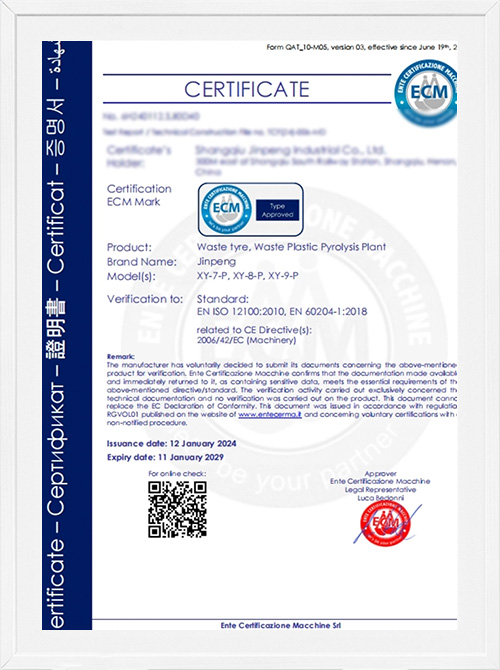
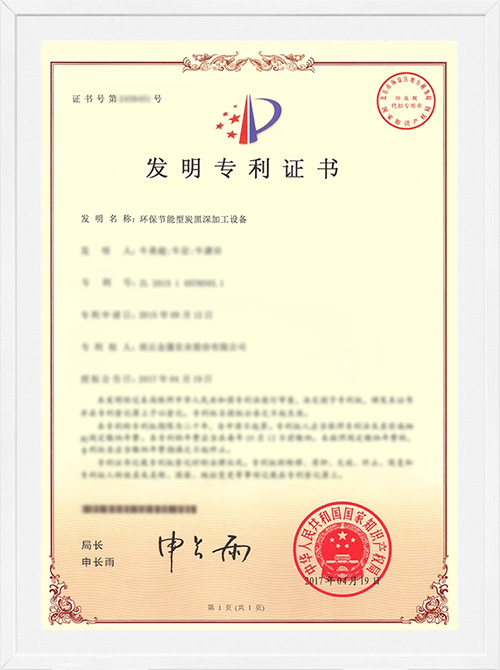
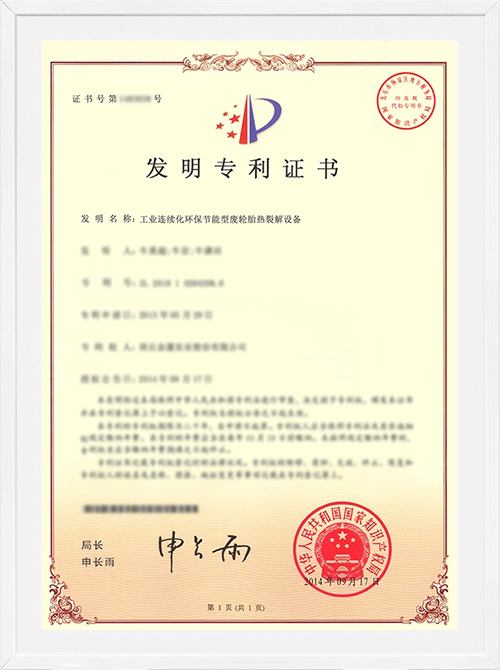
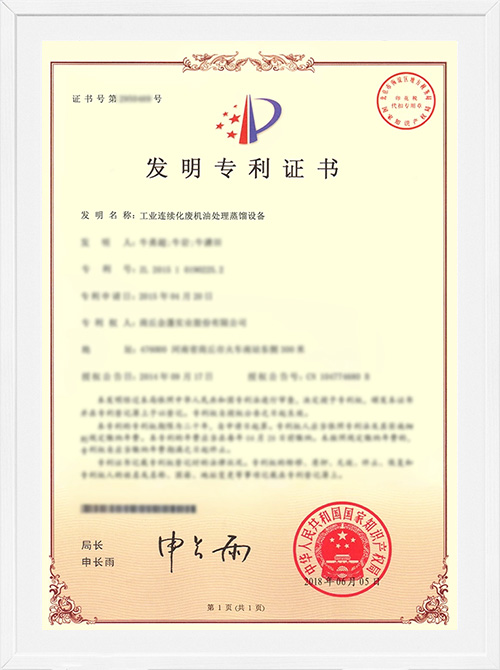
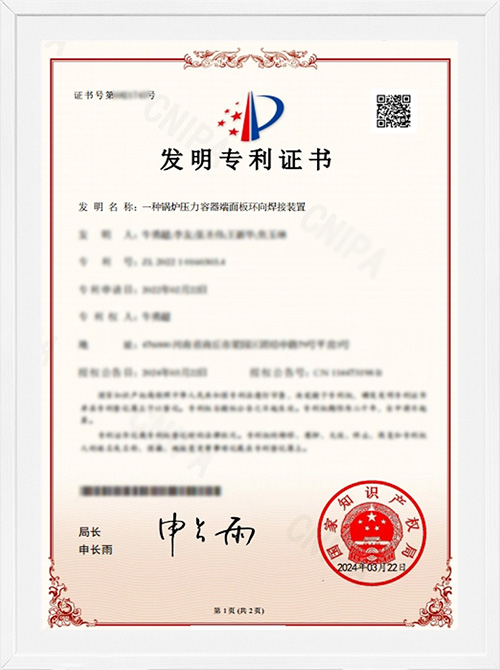
Pyrojin Technology’s commitment to safety and sustainability is verified through globally recognized certifications, including ISO 9001:2015, ISO 14001:2015, and CE compliance. These certifications affirm that every stage of design, manufacturing, and testing adheres to stringent international standards for quality management, environmental responsibility, and operational safety.
Innovating for a Safer Circular Future
As industries worldwide transition toward circular economy models, Pyrojin Technology stands at the forefront—transforming waste into energy while safeguarding people, facilities, and the environment. The company’s Continuous Pyrolysis Equipment exemplify a rare harmony between engineering precision and environmental foresight.
With its foundation in robust materials, intelligent automation, and controlled combustion, Pyrojin’s technology redefines what it means to operate safely in the high-stakes world of pyrolysis. Each layer of design reflects a singular vision: to transform risk into reliability, and waste into clean, renewable value.
Through continuous innovation and uncompromising attention to safety, Pyrojin ECO Industrial Co., Ltd. continues to shape the global landscape of waste-to-energy engineering—proving that progress and protection can, indeed, coexist.


Let's Pyrolysis!


 +44 7529 150720
  [email protected]
  300 meters east of the South Railway Station in Shangqiu City, Henan Province
  Continuous Pyrolysis Plant Suppliers

 Profit Calculator
 English
 русский
 Français
 Español
 عربى
عربى