
 5 minutes
Content
Plastic pyrolysis is a thermochemical process that breaks down polymer chains by applying heat in an oxygen-free environment, converting waste plastics into fuel oil, combustible gas, and solid residue. Unlike incineration — which burns plastic and generates heat at the cost of air emissions — pyrolysis operates without combustion, producing recoverable, marketable products from material that would otherwise end up in landfill or incinerators.
The scale of the opportunity is significant. Global plastic waste generation continues to rise, and mechanical recycling alone cannot process the full volume of contaminated, mixed, or multi-layer plastic streams that make up a large share of that waste. As governments and industries search for scalable solutions, thermochemical processing has moved from a niche technology toward mainstream waste management infrastructure. The U.S. EPA's framework for advanced recycling of plastics reflects the growing recognition of pyrolysis as a legitimate pathway for plastic waste valorization at the policy level. For a broader look at how pyrolysis technology addresses urban waste challenges, the scale of municipal adoption underscores why the right equipment specification matters from day one.
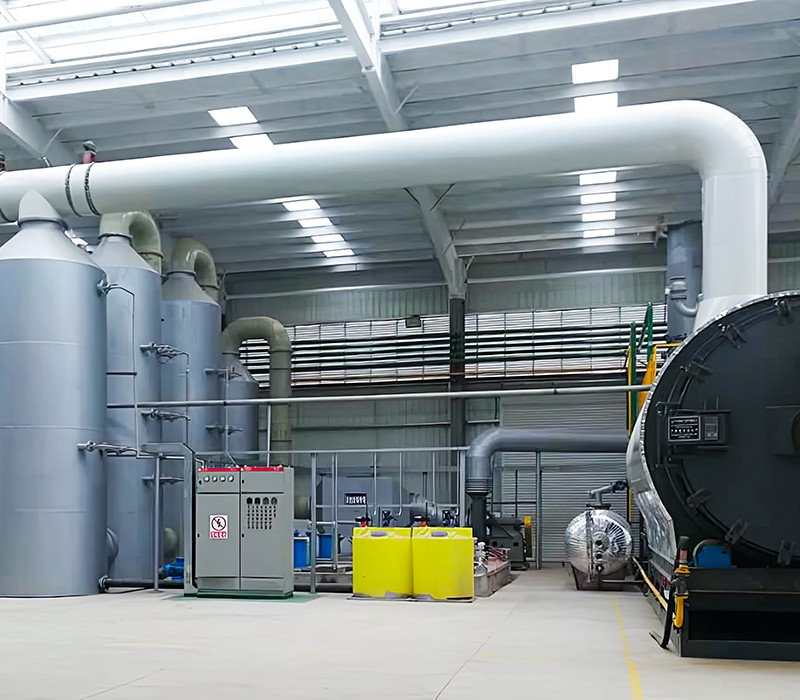
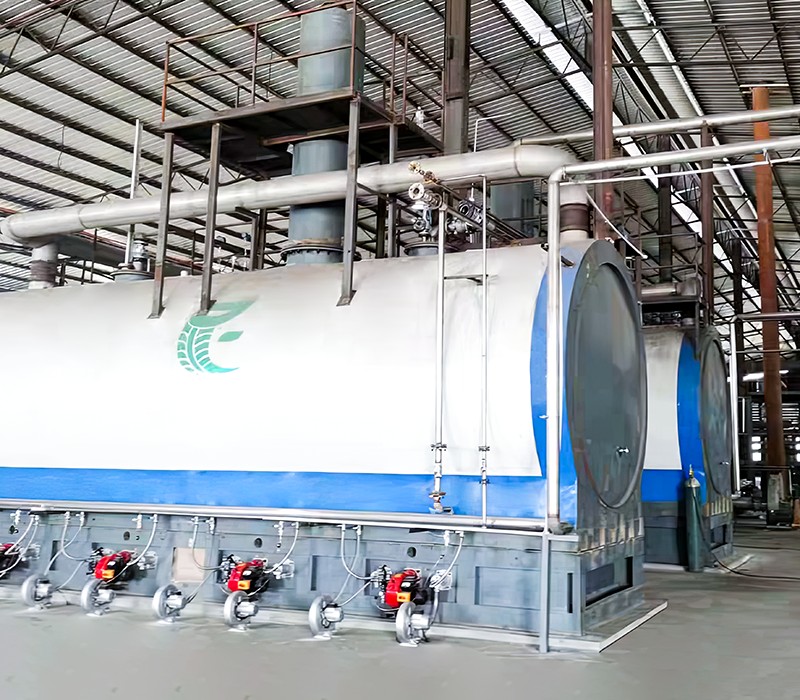
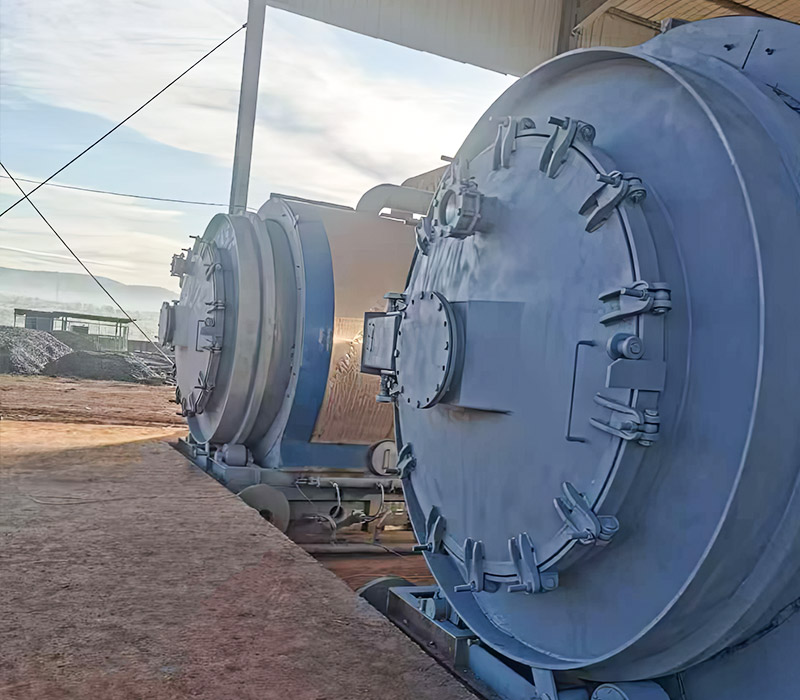
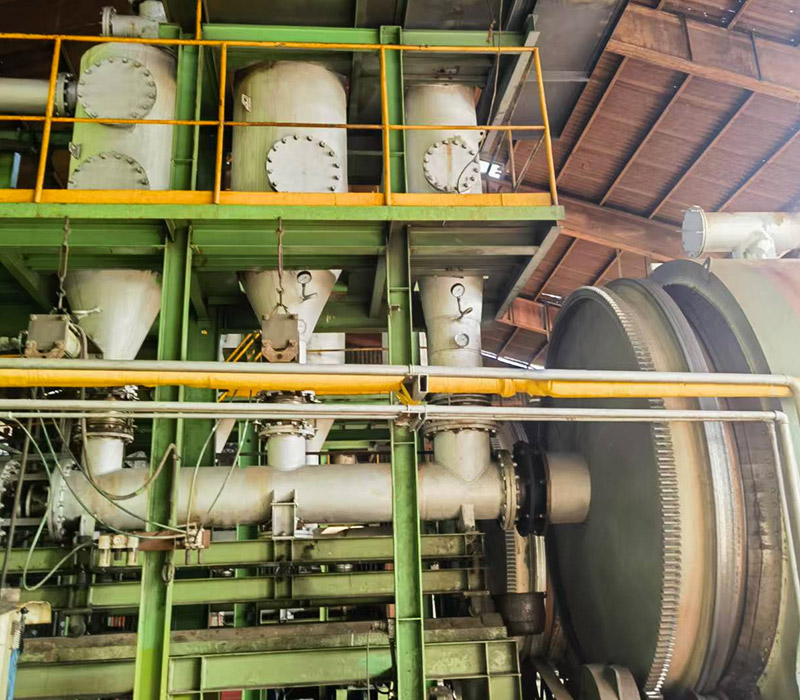
Equipment choice is not a secondary decision. The reactor design, heating method, feeding configuration, and condensation system collectively determine oil yield, energy consumption, labor requirements, and emissions compliance. Two plants processing identical feedstock can produce dramatically different economic outcomes depending on how well the equipment is matched to the operation.
Regardless of equipment type or scale, all plastic pyrolysis plants follow the same fundamental sequence. Understanding each stage helps identify where design differences between machines create meaningful performance gaps.
Feedstock selection is one of the most operationally consequential decisions in plastic pyrolysis. Not all plastics produce equal results, and some pose active risks to equipment and product quality if processed without safeguards.
High-yield plastics — polyethylene (PE), polypropylene (PP), and polystyrene (PS) — are the workhorses of plastic pyrolysis. Pure streams of these materials consistently deliver oil yields of 70–90%, with predictable product quality and minimal reactor fouling. They account for the majority of global plastic production, making supply availability relatively straightforward for operators with established collection networks.
ABS and mixed common plastics produce moderate oil yields in the 30–50% range depending on composition and purity. These streams are commercially viable but require more careful process management to maintain consistent output quality.
Two plastic types should be excluded or strictly limited in any pyrolysis feedstock:
Effective feedstock screening — through sorting partnerships, supplier agreements, or on-site sorting infrastructure — is not optional. It protects both the equipment and the downstream product value chain.

Plastic pyrolysis equipment is categorized primarily by its feeding and discharge mechanism, which determines throughput capacity, automation level, labor requirements, and capital cost. The three configurations serve fundamentally different operational profiles.
| Parameter | Batch | Semi-Continuous | Fully Continuous |
|---|---|---|---|
| Daily Capacity | 1–20 tons | 8–15 tons | 20–50+ tons |
| Operation Mode | Cycle-based; full shutdown between batches | Automated feeding; manual discharge | 24/7 uninterrupted operation |
| Labor Requirement | Higher; manual loading/unloading | Moderate | Lower; highly automated |
| Initial Investment | Lower | Medium | Higher |
| Energy Efficiency | Lower (daily heating/cooling cycles) | Moderate | Highest (40%+ lower vs batch) |
| Feedstock Flexibility | High; handles varied feedstock easily | Medium | Requires consistent particle size |
| Best For | Small/medium operations, varied feed | Mid-scale, transitioning operators | Industrial scale, stable supply chain |
Batch pyrolysis plants load a fixed charge of plastic, seal the reactor, complete the pyrolysis cycle, cool down, and then discharge carbon black before the next run begins. The downtime between cycles reduces overall throughput but gives operators complete control over each batch — making batch systems well-suited to facilities processing variable feedstock mixes or running pilot-scale operations. Their lower entry cost and mechanical simplicity also mean lower maintenance complexity.
Fully continuous plants eliminate the heating and cooling cycle entirely. Pre-shredded plastic feeds into the reactor via a sealed screw conveyor while carbon black discharges from the opposite end simultaneously. The reactor maintains a stable temperature around the clock, which dramatically improves energy efficiency and product consistency. For a detailed technical breakdown of how this closed-loop operation is achieved, the continuous pyrolysis plant operation and performance guide covers the feeding, reaction, condensation, and discharge sequences in full. At industrial scale, the continuous pyrolysis plant for large-scale waste processing handles 30–50 tons per day with integrated emission control systems designed for urban deployment.
Three output streams come from plastic pyrolysis equipment, each with distinct commercial value and downstream use cases. Understanding the yield profile of each helps operators model project economics before committing to an equipment specification.
Pyrolysis oil is the primary revenue stream for most plastic pyrolysis operations. For PP, PE, and PS feedstock, oil yields typically range from 50–80% by weight of input material. The oil is a medium-to-heavy fuel comparable to diesel or industrial heating oil and can be used directly in boilers, furnaces, kilns, and heavy machinery — or sold to industrial fuel buyers. Higher-value applications require further refining: atmospheric distillation upgrades raw pyrolysis oil into cleaner fuel fractions with tighter specifications, significantly improving marketability and per-liter value. The atmospheric distillation plant for refining pyrolysis oil represents the next investment step for operators seeking to move up the value chain from raw fuel to refined product.
Pyrolysis gas (syngas) typically constitutes 10–20% of output by weight and consists primarily of methane, hydrogen, carbon monoxide, and light hydrocarbons. After purification, this gas is recycled as the heating fuel for the reactor itself — a design feature that eliminates external fuel consumption during steady-state operation and significantly reduces running costs. In larger installations, surplus gas can be directed to power generation. A detailed account of composition and industrial uses of pyrolysis gas covers the specific applications across heating, power generation, and chemical feedstock contexts.
Carbon black accounts for roughly 5–15% of output from plastic feedstock (a lower proportion than tire pyrolysis, which yields 30–35%). The material can be used as a low-grade reinforcing agent or pigment filler, or subjected to deep processing to produce higher-specification carbon black suitable for rubber and coating applications.
Selecting equipment on price alone is one of the most common and costly mistakes in pyrolysis project planning. The operational life of a pyrolysis plant spans ten to twenty years; equipment quality and design choices made at the procurement stage compound — positively or negatively — across every year of operation.
For a structured framework covering all the dimensions above, the key indicators for evaluating pyrolysis equipment performance provides a systematic approach to benchmarking conversion rate, product quality, environmental compliance, and durability before making a procurement decision.






Let's Pyrolysis!


 +44 7529 150720
  [email protected]
  300 meters east of the South Railway Station in Shangqiu City, Henan Province
  Global Waste-to-Energy Solutions Waste Resource Utilization Equipment Manufacturer

 Profit Calculator
 English
 русский
 Français
 Español
 عربى
عربى