
 5 minutes
Content
A continuous pyrolysis plant thermally decomposes organic waste materials — such as waste tires, plastics, rubber, and oil sludge — in an oxygen-free environment at temperatures typically ranging from 300°C to 550°C, converting them into usable fuel oil, carbon black, and combustible gas without interruption. Unlike batch systems that require full shutdown between processing cycles, a continuous pyrolysis machine feeds raw material, runs reactions, and discharges outputs simultaneously, 24 hours a day, 7 days a week.
For industrial operators, this distinction is not minor. It translates directly into lower labor costs, higher throughput, and better return on investment — especially at scales exceeding 10 tons of feedstock per day.
The operational flow of a continuous pyrolysis machine follows a tightly integrated sequence that eliminates downtime between batches:
This closed-loop design means the plant can process material continuously without stopping for loading or unloading, which is the core advantage over batch-type reactors.
The yield of each output product varies by feedstock type. Below is a reference table for waste tire pyrolysis, one of the most common applications:
| Output Product | Typical Yield (% by weight) | Primary Use |
|---|---|---|
| Pyrolysis Fuel Oil | 40–45% | Industrial boilers, generators, shipping fuel |
| Carbon Black | 30–35% | Rubber filler, pigment, construction materials |
| Steel Wire | 10–15% | Scrap metal recycling |
| Combustible Gas | 10–12% | Recycled as reactor heating fuel |
For waste plastic feedstock, pyrolysis oil yields can reach 50–80% depending on plastic type, making it particularly attractive for plastic-rich municipal waste streams.
Choosing between continuous and batch pyrolysis machines depends heavily on processing scale and operational goals. Here is a direct side-by-side comparison:
| Feature | Continuous Pyrolysis Plant | Batch Pyrolysis Plant |
|---|---|---|
| Operating Mode | 24/7 uninterrupted | One batch at a time |
| Daily Capacity | 10–50+ tons/day | 1–10 tons/day |
| Labor Requirement | Low (highly automated) | Higher (manual loading/unloading) |
| Energy Efficiency | Higher (stable temperature) | Lower (repeated heating cycles) |
| Initial Investment | Higher | Lower |
| Best For | Industrial-scale operations | Small-scale or trial projects |
The payback period for a continuous pyrolysis plant typically ranges from 1.5 to 3 years at industrial scale, compared to potentially longer periods for batch systems running at lower utilization rates.
Not all continuous pyrolysis machines are engineered equally. The following components have the greatest impact on performance, safety, and output quality:
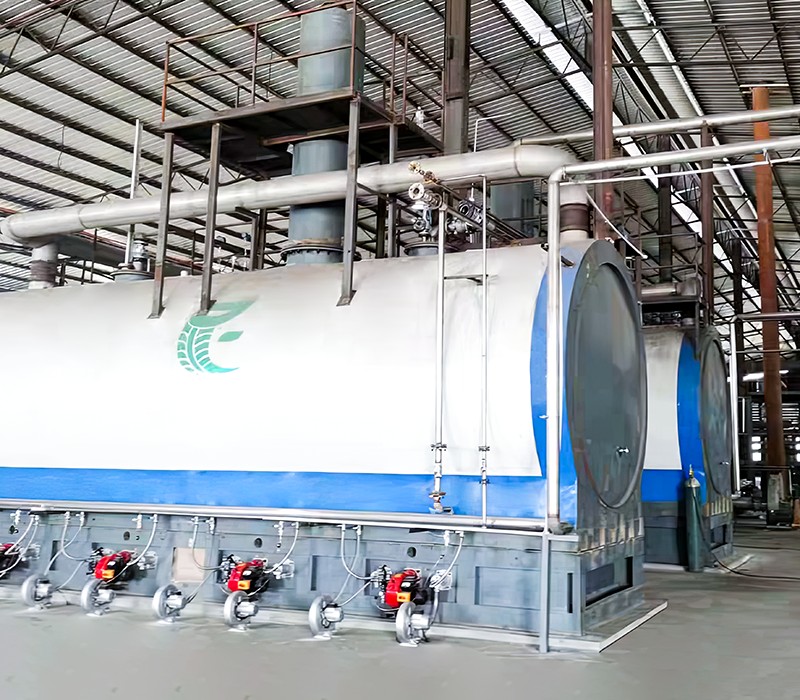
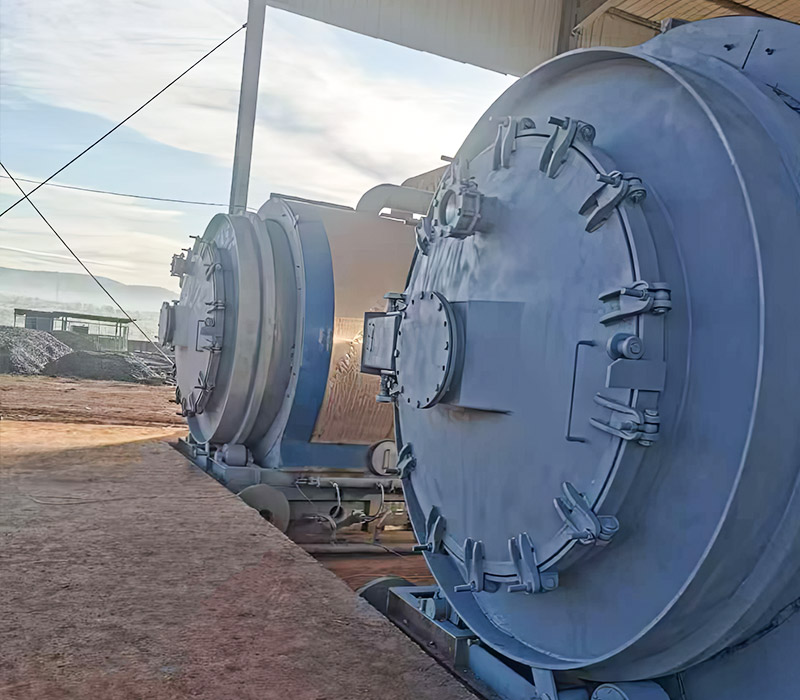
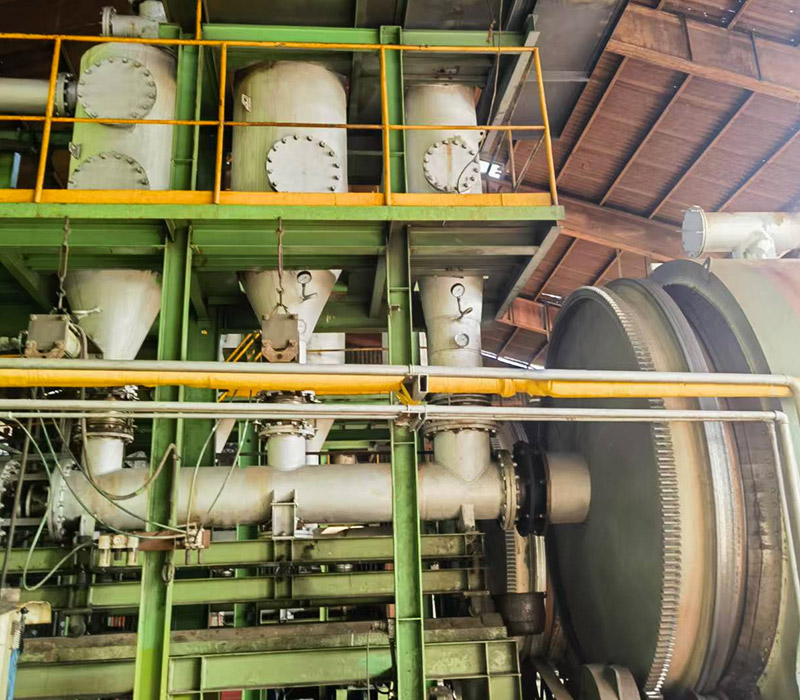
The reactor is the core of any pyrolysis plant. High-quality continuous systems use rotating kilns or horizontal screw reactors made from heat-resistant alloy steel (commonly Q345R or 310S stainless). Reactor wall thickness and material grade directly affect service life — a well-built reactor should last 5 to 8 years under continuous operation.
Airtight seals at the feed inlet and discharge outlet are critical for both safety and efficiency. Mechanical rotary seals combined with nitrogen purging are the industry standard for preventing oxygen ingress and gas leakage in continuous systems.
Multi-stage condensers with water or air cooling determine the quantity and quality of recovered oil. A well-optimized condensation system can increase oil recovery by 5–10% compared to a single-stage setup.
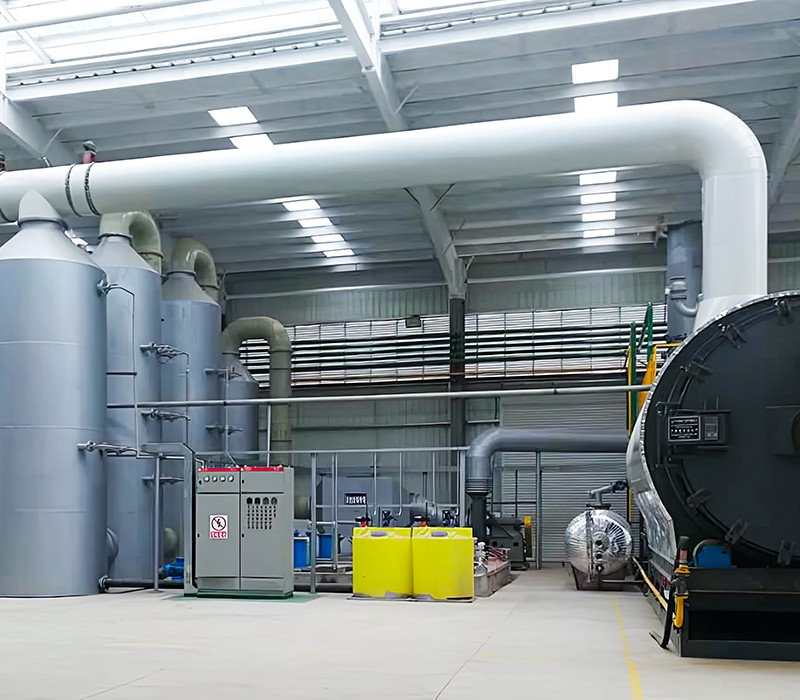
Continuous operation means emissions must be managed around the clock. Reputable plants integrate de-dusting cyclones, water scrubbers, and activated carbon adsorption to meet EU, EPA, or local environmental standards consistently.
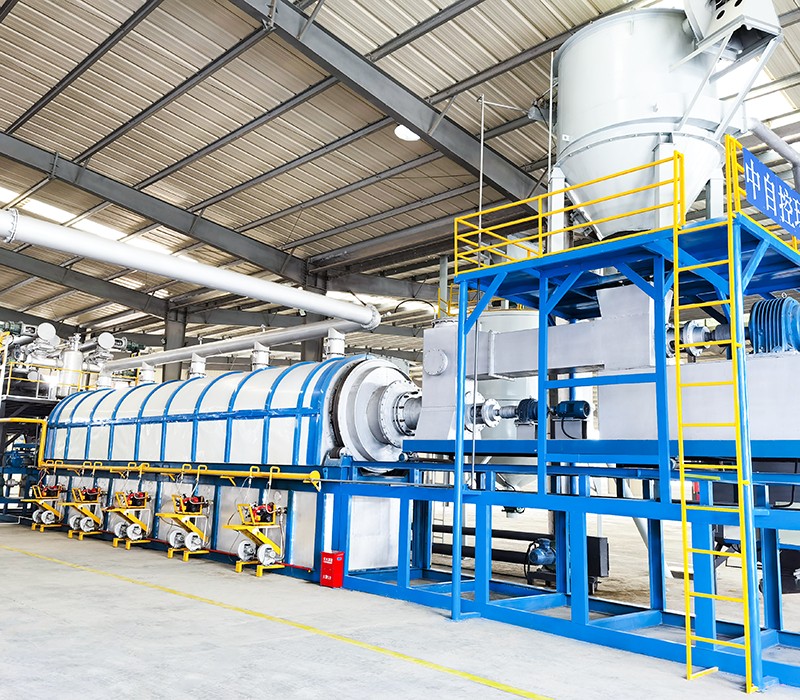
A continuous pyrolysis plant can process a wide range of organic waste materials, though feedstock consistency and preparation matter significantly for uninterrupted operation:
Feedstock moisture content should generally be kept below 15% to maintain thermal efficiency and prevent excessive steam generation inside the reactor.
Purchasing a continuous pyrolysis machine is a capital-intensive decision. These are the most important evaluation criteria:
Visiting an operational reference plant before committing is strongly recommended. Seeing the machine run at full capacity, including discharge quality and emission control, provides insights no brochure can replace.
The environmental case for continuous pyrolysis plants is well-supported by data. Processing 10,000 tons of waste tires annually through pyrolysis prevents the equivalent of approximately 30,000 tons of CO₂-equivalent emissions compared to landfilling or open burning, based on lifecycle analysis studies from the European Tyre and Rubber Manufacturers' Association.
On the economic side, a plant processing 20 tons of waste tires per day can generate:
Combined, gross daily revenue can exceed $6,000–$10,000 USD before operating costs, making a well-run continuous pyrolysis plant a financially viable long-term investment in the waste-to-energy sector.






Let's Pyrolysis!


 +44 7529 150720
  [email protected]
  300 meters east of the South Railway Station in Shangqiu City, Henan Province
  Global Waste-to-Energy Solutions Waste Resource Utilization Equipment Manufacturer

 Profit Calculator
 English
 русский
 Français
 Español
 عربى
عربى