
 10 minutes
Pyrolysis technology has become an important method for waste treatment, energy recovery, and resource conversion. As environmental awareness grows and the demand for resource utilization increases, more businesses and governments are focusing on the performance of pyrolysis equipment. Evaluating the performance of pyrolysis equipment is crucial for ensuring efficient operation, reducing production costs, and improving product quality. This article will analyze how to evaluate the performance of pyrolysis equipment from multiple dimensions, helping users make informed decisions when choosing equipment.
1. Key Indicators for Evaluating Pyrolysis Equipment
Conversion Rate
The conversion rate is one of the core indicators for assessing pyrolysis equipment performance, usually referring to the proportion of raw materials converted into valuable products such as pyrolysis oil, carbon black, and syngas.
1. A high conversion rate indicates that the equipment is more efficient in converting waste into energy or raw materials, reducing waste generation.
2. In general, excellent pyrolysis equipment can achieve conversion rates close to 100%, which is a key indicator of efficient performance.
Product Quality
The quality of pyrolysis products directly affects the market competitiveness of the product.
1. Pyrolysis Oil Quality: High-quality pyrolysis oil should have a high energy density and stability, making it a suitable alternative to diesel or gasoline.
2. Carbon Black Quality: The particle size, conductivity, and purity of carbon black affect its application in industries such as rubber, plastics, and coatings.
3. Syngas Quality: The calorific value, composition, and stability of syngas are also important indicators for evaluating equipment performance.
Energy Efficiency
Energy efficiency refers to the ratio of energy consumed by the equipment to the energy converted into useful products (i.e., the final yield).
1. High-energy efficiency equipment consumes less fuel and electricity, reducing operating costs.
2. Some pyrolysis equipment has energy recovery systems that recycle the non-condensable gases (syngas) generated during pyrolysis, reducing dependence on external fuel sources.
Environmental Friendliness
Environmental friendliness is an essential factor in evaluating pyrolysis equipment performance, especially in terms of flue gas treatment and pollutant emissions.
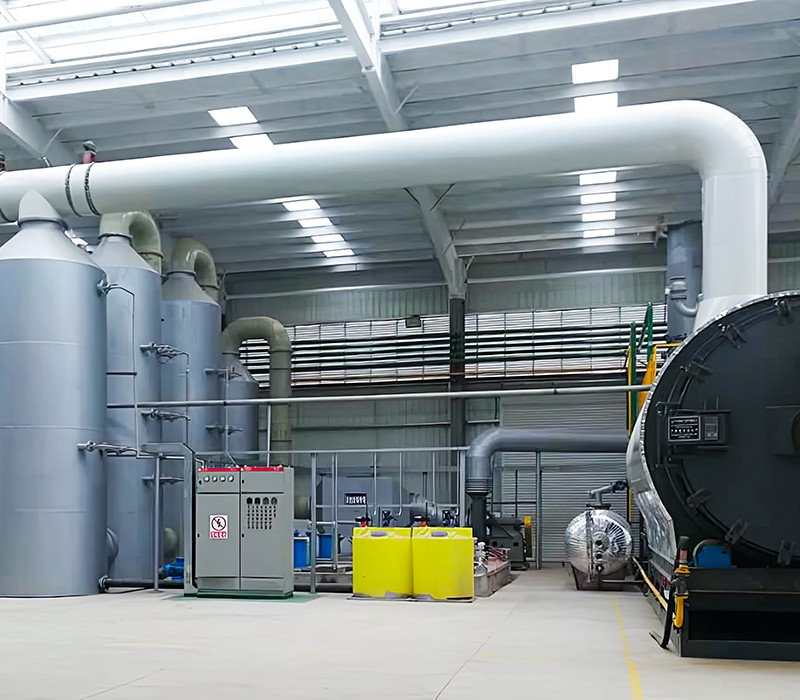
1. Flue Gas Treatment Systems: Advanced flue gas treatment technologies can efficiently reduce harmful gases such as sulfur dioxide, nitrogen oxides, and volatile organic compounds (VOCs) generated during pyrolysis.
2. Zero Emission Equipment: Some pyrolysis equipment uses closed-loop systems to recover and treat smoke, gas, and wastewater, ensuring zero emissions.
Equipment Durability and Maintenance Costs
The durability of equipment determines its long-term operational stability and lifespan.
1. High-durability equipment is usually made with high-quality, high-temperature, and corrosion-resistant materials, ensuring longer equipment life.
2. Maintenance costs are also crucial, and equipment with lower maintenance frequency and costs helps companies reduce overall operating expenses.
2. Other Factors to Consider When Evaluating Pyrolysis Equipment
Degree of Automation
The higher the level of automation, the easier the equipment is to operate, and the lower the labor costs.
1. High automation equipment usually comes with advanced PLC control systems that allow precise control over multiple factors like temperature, pressure, and feed, significantly improving stability and production efficiency.
Adaptability and Flexibility
The adaptability and flexibility of pyrolysis equipment directly affect its performance in different applications.
1. Diverse Raw Material Handling Capability: Excellent pyrolysis equipment should be able to process various types of waste, such as waste tires, plastics, rubber, and wood, catering to diverse customer needs.
Production Cycle and Capacity
The production cycle refers to the time taken for raw materials to be processed into the final products.
1. Shorter production cycles improve production efficiency and increase output.
2. Production capacity refers to the amount of raw material the equipment can handle in a given time, typically measured in tons per day or tons per year. Equipment with higher production capacity is suitable for large-scale operations.
Conclusion
Evaluating the performance of pyrolysis equipment involves multiple aspects, including conversion rates, product quality, energy efficiency, environmental impact, and durability.
Different pyrolysis equipment is suitable for businesses of different sizes and needs, and users should choose the equipment that best meets their requirements. By conducting a scientifically sound evaluation, businesses can ensure a good return on investment while improving efficiency, reducing operational costs, and contributing to environmental sustainability.

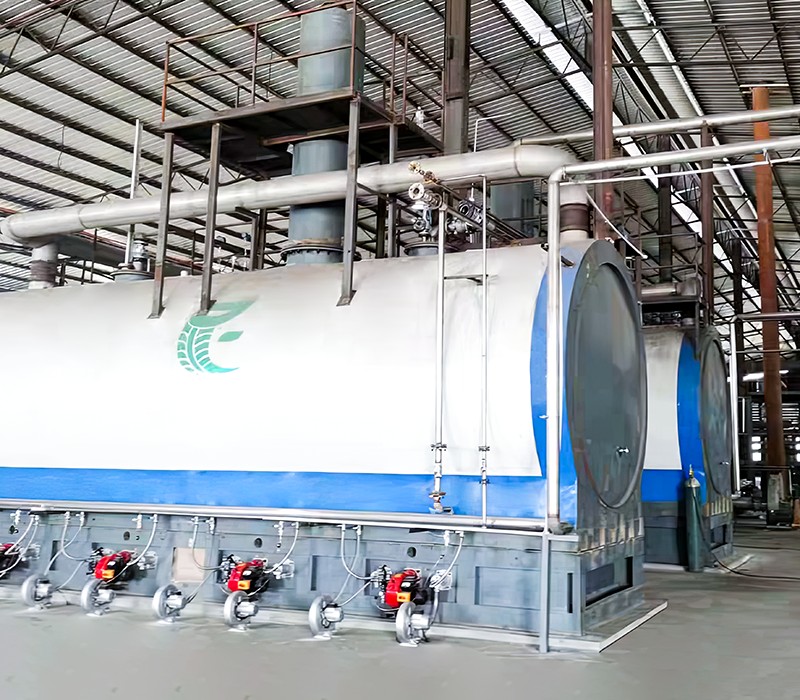


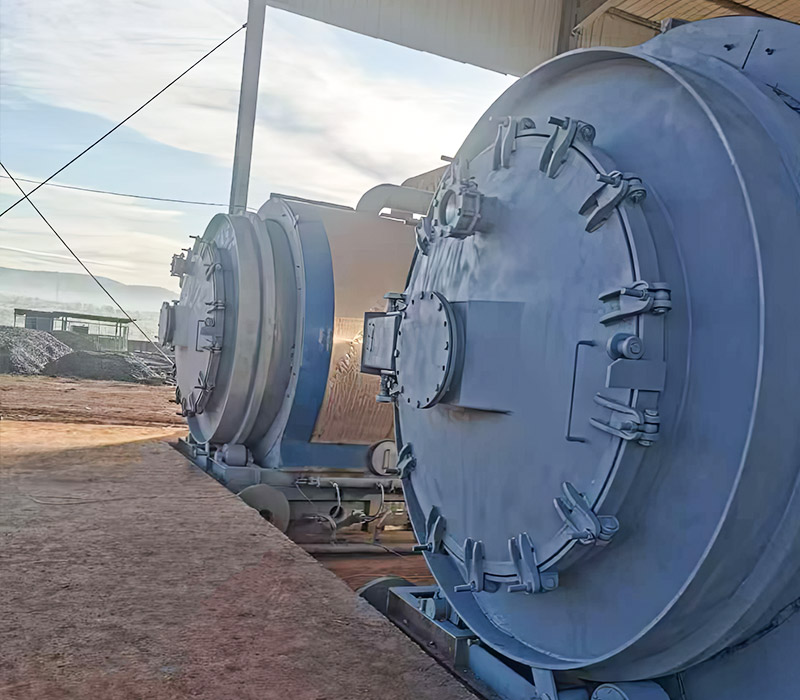
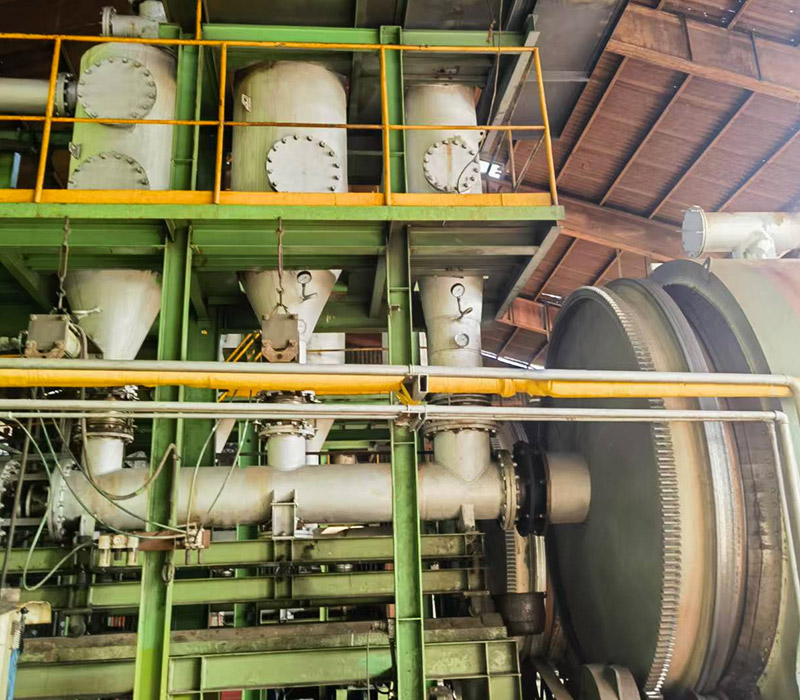



Let's Pyrolysis!


 +44 7529 150720
  [email protected]
  300 meters east of the South Railway Station in Shangqiu City, Henan Province
  Global Waste-to-Energy Solutions Waste Resource Utilization Equipment Manufacturer

 Profit Calculator
 English
 русский
 Français
 Español
 عربى
عربى