
 5 minutes
Content
Only about 9% of the world's plastic waste gets recycled through conventional channels, and global plastic waste volumes are on track to nearly triple by 2060. Mechanical recycling can't absorb that volume on its own, which is why more operators are looking at thermal conversion instead.
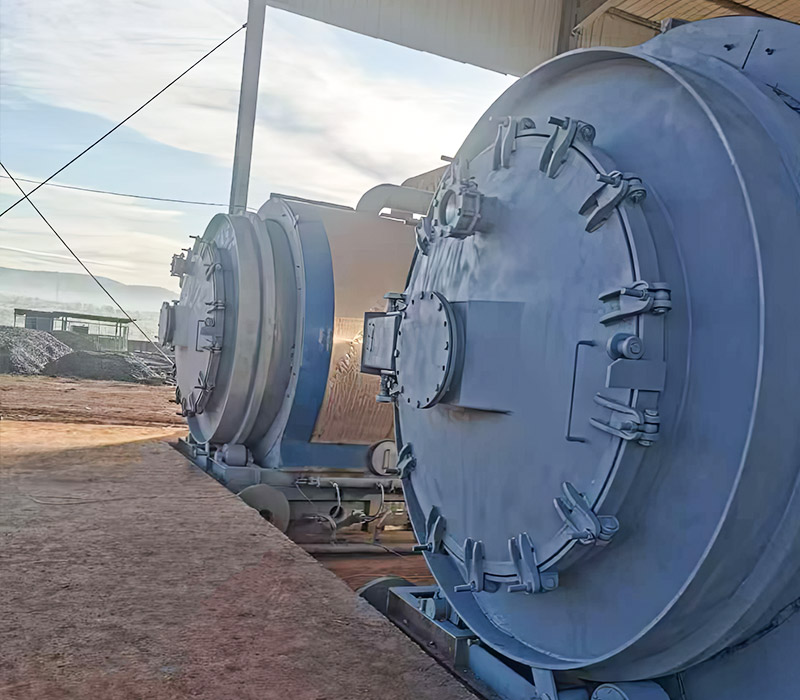
A waste plastic pyrolysis plant heats sorted plastic in a sealed, oxygen-free reactor until the polymer chains break apart into oil, gas, and a solid carbon residue. No flame touches the material and nothing is burned in the conventional sense, which is the technical distinction that separates this from incineration.
None of that explains whether a specific project will make money. That depends on decisions made well before the reactor is switched on: how much feedstock is actually available, what condition it arrives in, and whether the site can legally operate once it's built.
The most common planning mistake is sizing a plant around the biggest number a supplier can promise rather than the volume a supply chain can reliably deliver. A 30-ton-per-day continuous line looks attractive on a spec sheet, but if collection contracts only guarantee 15 tons on a good week, the reactor spends half its time underfed and the per-ton economics fall apart.
Feedstock availability tends to be seasonal and regional in ways that generic capacity figures don't capture. Municipal collection volumes shift with population density and local sorting infrastructure, while industrial plastic scrap depends on nearby manufacturing activity.
A realistic project plan works backward from confirmed supply contracts, not forward from equipment brochures. Building in a buffer of 20-30% below theoretical maximum capacity gives the operation room to absorb supply gaps without idling expensive machinery.
Not every plastic type belongs in the feed. Polyethylene, polypropylene, and polystyrene crack cleanly and reliably; PVC releases corrosive chlorine gas that eats through reactor components over time, and PET yields so little usable oil that processing it wastes reactor capacity better spent on better feedstock.
Sorting has to happen before shredding, not after, since mixed loads are far harder to separate once they're reduced to uniform particle size. Getting mixed municipal or industrial plastic down to a consistent 5-20mm particle size before it reaches the reactor also matters more than most first-time investors expect — uneven feed size causes uneven heating, which shows up later as inconsistent oil yield.
A shredder built specifically for mixed plastic feedstock handles films, rigid containers, and bottle caps without the jamming that generic shredding equipment runs into, and it's usually a separate line-item investment that new operators underbudget for.
This decision gets more attention than almost any other in early project planning, and for good reason: it sets both the upfront capital requirement and the labor model for the plant's entire operating life.
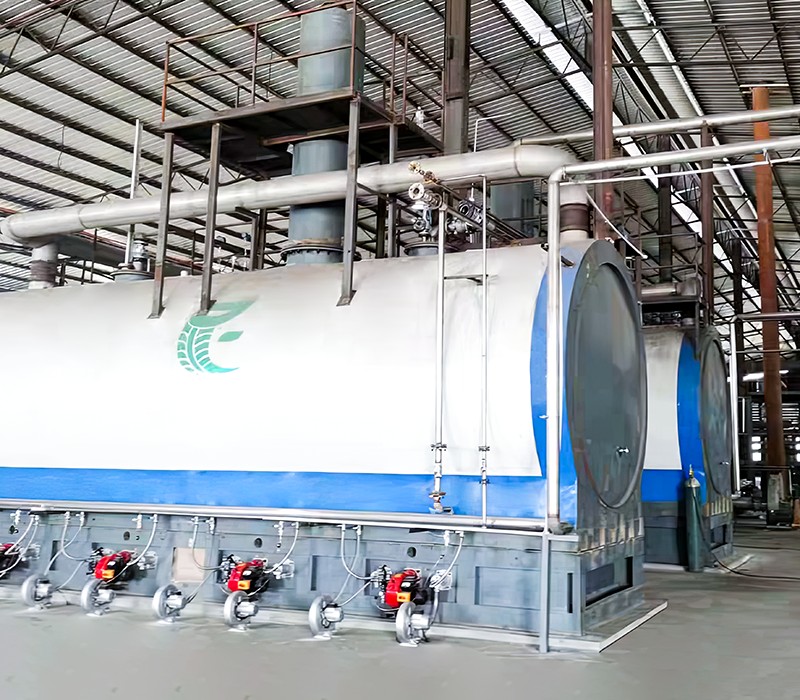
Batch systems load a fixed charge, run the cycle, cool down, and discharge before starting again. Lower upfront cost and simpler operation make them a sensible entry point for operators still proving out their feedstock supply chain or testing a new market, and a batch plastic pyrolysis plant sized for smaller volumes keeps that initial risk manageable.
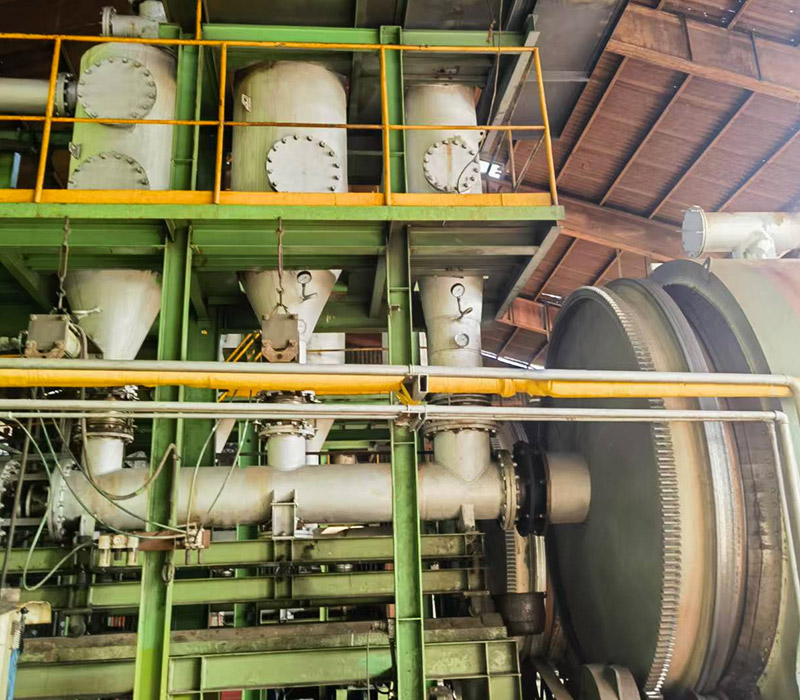
Continuous systems trade a higher initial investment for lower per-ton operating cost once volume justifies it, since there's no daily heating and cooling cycle eating into fuel consumption. Operations with a proven, steady feedstock stream tend to get faster payback from a continuous line built for mixed PP/PE/PS feedstock, but that math only works if the supply volume is actually there to keep it running. For a fuller comparison of how reactor design and feeding mechanism affect output, this equipment selection guide breaks down the operational differences in more depth.
Permitting is where projects lose months, and it's rarely because the technology itself is controversial. It's because regulatory categories for pyrolysis are still being actively defined, and that definition affects which rules apply to a given plant.
In the U.S., for example, EPA has an active 2026 proposal to revise how "municipal waste combustion" is defined relative to pyrolysis and combustion units, which illustrates how the regulatory line between advanced recycling and incineration is still moving in some jurisdictions. Operators evaluating a site should check current local classification before assuming a plant qualifies as recycling infrastructure rather than waste combustion, since the two categories can carry very different permitting timelines and emissions thresholds.
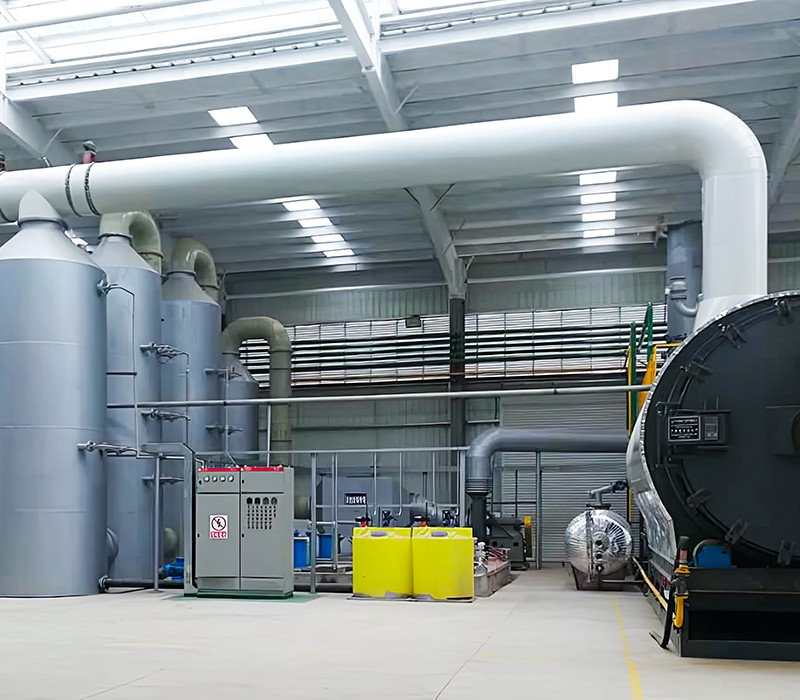
Beyond classification, the practical requirements are fairly consistent everywhere: sealed feeding and discharge systems, tail-gas treatment before any residual gas is released, and documented emissions monitoring. Sites near residential areas face tighter scrutiny and longer approval timelines than industrial-zoned land, which is worth factoring into the site search from the start rather than after a location is already under contract.
Pyrolysis oil straight out of the reactor is the primary revenue stream, but it's rarely the highest-value form that oil can take. Selling it directly to boiler or furnace operators as industrial fuel is the fastest path to cash flow, and it requires the least additional processing.
Refining that raw oil into diesel-range and naphtha-range fractions pushes it into a higher-value market, since refineries and industrial fuel buyers pay more for consistent, specified fuel grades than for mixed hydrocarbon output. That upgrade step usually means adding <a href="/product/atmospheric-pressure-distillation-equipment/atmospheric-di







Let's Pyrolysis!


 +44 7529 150720
  [email protected]
  300 meters east of the South Railway Station in Shangqiu City, Henan Province
  Global Waste-to-Energy Solutions Waste Resource Utilization Equipment Manufacturer

 Profit Calculator
 English
 русский
 Français
 Español
 عربى
عربى