
 5 minutes
Content
Heat waste plastic to somewhere between 300°C and 500°C with no oxygen in the reactor, and the long polymer chains don't burn, they break apart. That thermal breakdown is pyrolysis, and it splits plastic into three streams: a liquid oil, a combustible gas, and a solid char or carbon black residue. The liquid fraction is what the industry calls plastic pyrolysis oil, and it's the stream with the most direct commercial value.
Because no combustion is involved, the chemistry stays closer to cracking than burning, which is exactly why the resulting oil resembles crude-derived hydrocarbons rather than ash or soot. The EPA's definition of advanced recycling processes classifies pyrolysis this way precisely because the output is a chemical feedstock or fuel, not incinerator ash.
For anyone evaluating this as a business line rather than a lab curiosity, the practical question isn't whether pyrolysis works. It reliably does. The question is which feedstocks and which equipment configuration actually produce oil worth selling, and that's where most of the real decisions sit.
Not all plastics break down the same way, and feedstock choice determines both yield and downstream value more than almost any other variable in the process. Polyethylene, polypropylene, and polystyrene are the workhorses here: their long hydrocarbon chains crack cleanly into olefins and paraffins, giving oil yields that commonly run in the 40-55% range by weight.
| Plastic Type | Pyrolysis Suitability | Note |
|---|---|---|
| PE / PP | Excellent | High olefin content, good for steam cracking feedstock |
| PS | Good | Higher carbon content, more energy-dense oil |
| PVC | Avoid | Releases chlorine, corrodes equipment and poisons downstream catalysts |
| PET | Poor | Low oil yield, high oxygenated compound content |
PVC deserves special attention because it's the one plastic most operators actively sort out before feeding the reactor. Its chlorine content doesn't just contaminate the oil, it accelerates corrosion inside the reactor and condenser over time, turning a maintenance problem into a recurring cost. Mixed municipal plastic waste streams almost always need at least basic sorting before pyrolysis, not because the process can't handle contamination, but because the resulting oil quality drops sharply when it does.
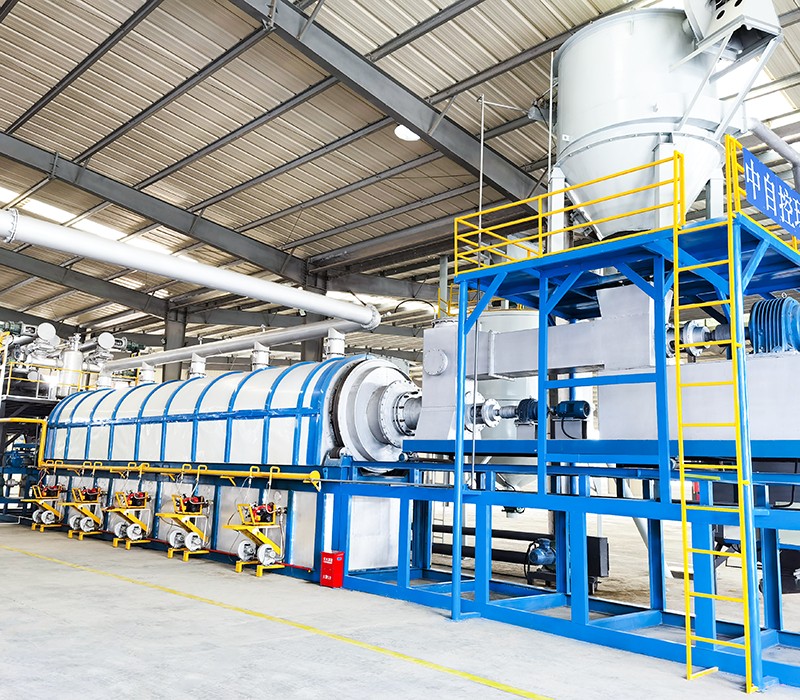
The reactor configuration matters almost as much as the feedstock. Batch systems load, heat, react, and cool down before unloading, which works well for smaller operations or facilities handling variable waste streams where feedstock composition shifts from one load to the next.
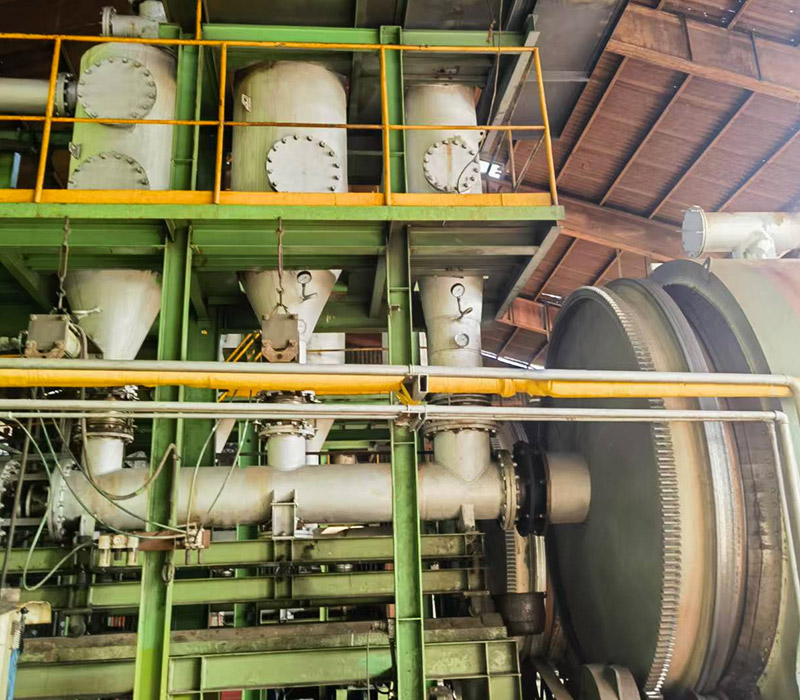
Continuous systems keep feeding material in while drawing oil, gas, and char out without stopping the process, and that steady-state operation tends to produce more consistent oil chemistry batch after batch, since reactor temperature and residence time stay stable rather than cycling. For an operation processing a steady, larger volume of sorted plastic, a continuous plastic pyrolysis plant built for mixed PP/PE/PS feedstock generally delivers better throughput per labor hour than repeated batch cycles.
Smaller operations, or those still validating feedstock supply and market demand before scaling up, are often better served starting with a batch plastic pyrolysis plant suited to smaller-scale operations, since the lower upfront investment and simpler operation reduce risk while the business model is still being proven. A more detailed in-depth guide to plastic pyrolysis equipment types and selection walks through capacity, automation level, and reactor material choices in more detail.
Oil straight out of the pyrolysis reactor is rarely sold as-is. It's a mixed hydrocarbon stream carrying a wide boiling-point range, trace sulfur, and whatever residual contaminants slipped through feedstock sorting. Distillation is what separates that mixture into fractions that actually match a market: naphtha-range material, diesel-range oil, and heavier residues.
Atmospheric distillation handles the lighter fractions efficiently and is the more common first step for operations targeting diesel-range output. An atmospheric distillation plant for refining pyrolysis oil separates these fractions by boiling point without the added cost of vacuum equipment, which is usually enough when the goal is industrial fuel oil rather than a fully refined product.
Heavier fractions, though, degrade or crack further if you try to boil them off at atmospheric pressure, since the temperatures required push past where the hydrocarbons start breaking down again. That's where a vacuum distillation system for upgrading pyrolysis oil into higher-grade fuel earns its cost: lowering pressure drops the boiling point of heavy fractions, letting them separate cleanly instead of cooking into coke.
The simplest outlet is direct sale to energy-intensive industries, glass furnaces, cement kilns, steel mills, that can burn heavier fuel oils without the same purity requirements as transportation fuel. This is usually the fastest path to revenue for a new operation, since it requires the least processing.
Refineries represent the next tier up, buying distilled pyrolysis oil as a blending feedstock for commercial diesel production. This route pays more per ton but demands consistent quality, which loops directly back to the feedstock sorting and distillation choices covered above.
The most technically demanding but highest-value pathway is chemical feedstock recovery, where pyrolysis oil gets steam-cracked into ethylene and propylene monomers, essentially closing the loop back into virgin-equivalent plastic production. Reaching that tier consistently requires the cleanest feedstock and the tightest process control of any application on this list, which is why most operators build toward it in stages rather than starting there.

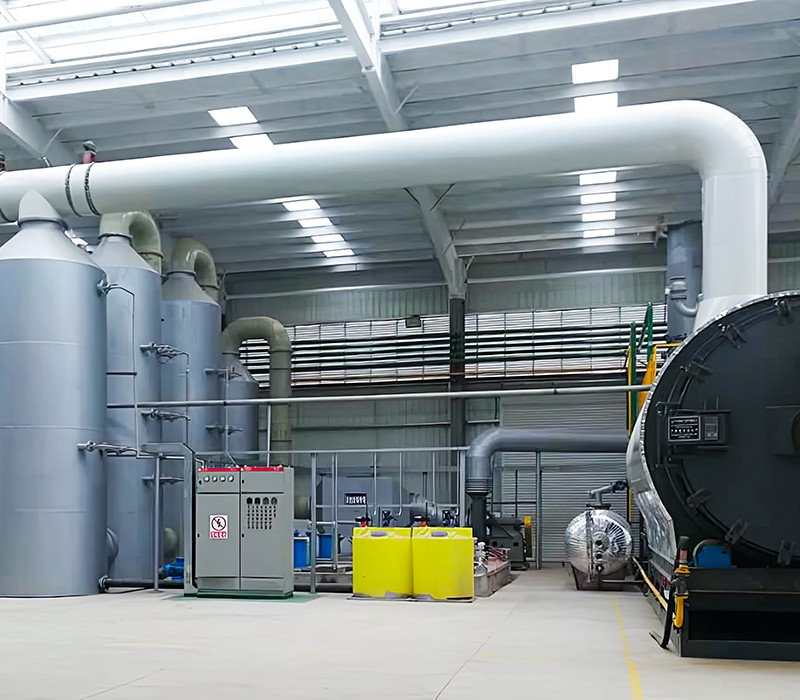
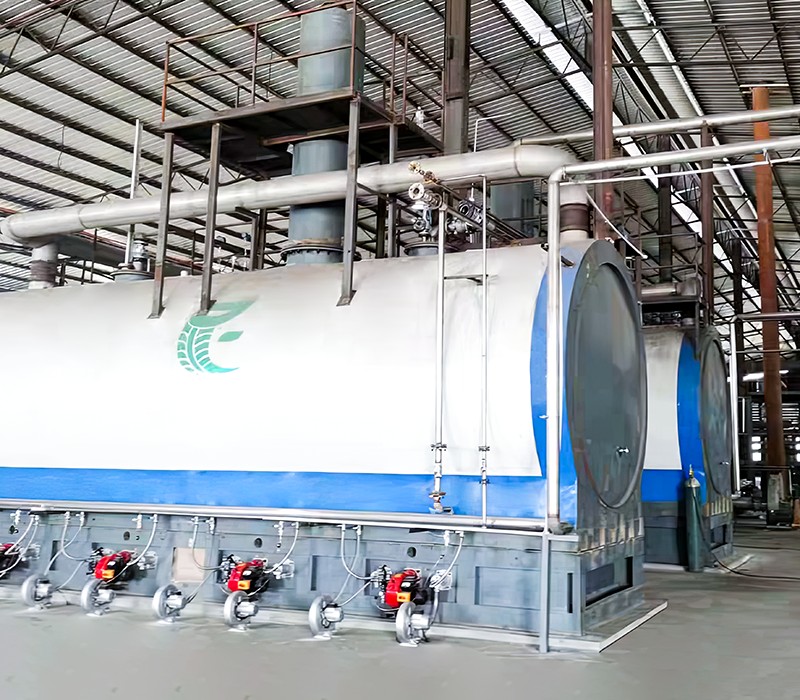


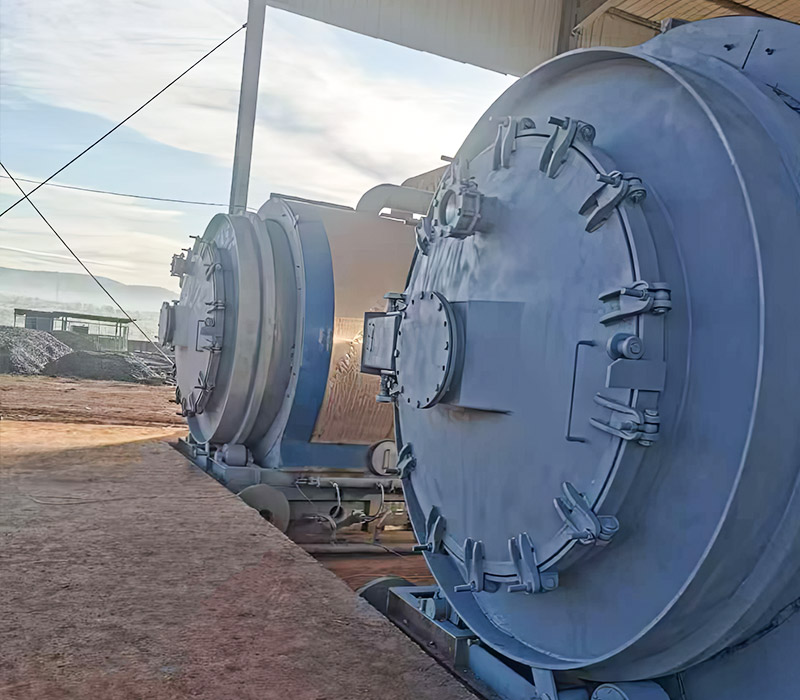



Let's Pyrolysis!


 +44 7529 150720
  [email protected]
  300 meters east of the South Railway Station in Shangqiu City, Henan Province
  Global Waste-to-Energy Solutions Waste Resource Utilization Equipment Manufacturer

 Profit Calculator
 English
 русский
 Français
 Español
 عربى
عربى