

"Batch or continuous — which one is better?"
This is the question we hear most often, and the hardest one to answer directly. Because they are not "good vs. better" — they are two designs built for different scenarios.
If you choose wrong, the problem is not the machine. It is the mismatch between the machine and your project.
No lectures today. Let's go straight to the real specifications of Jinpeng's two product lines, then break down the 5 mistakes buyers make most often.
Content
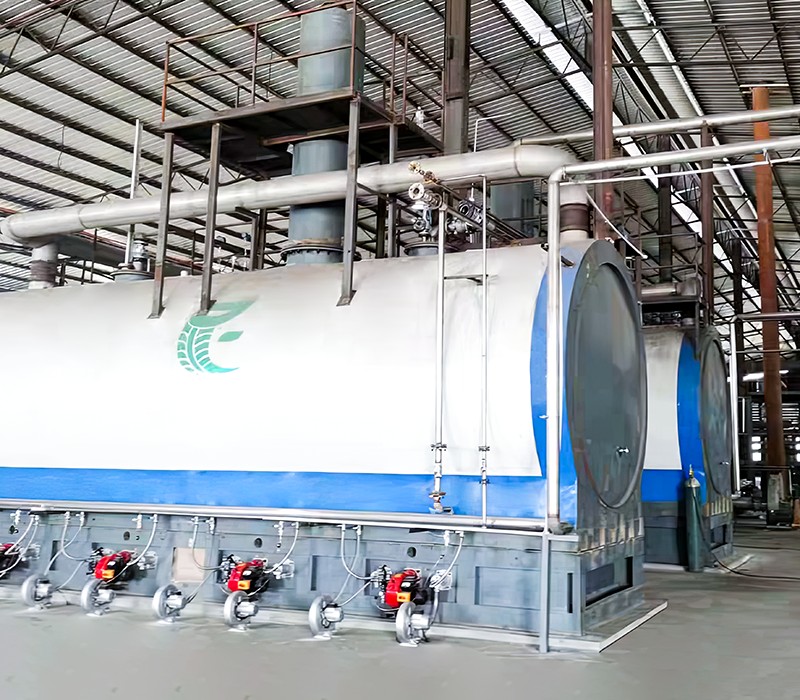
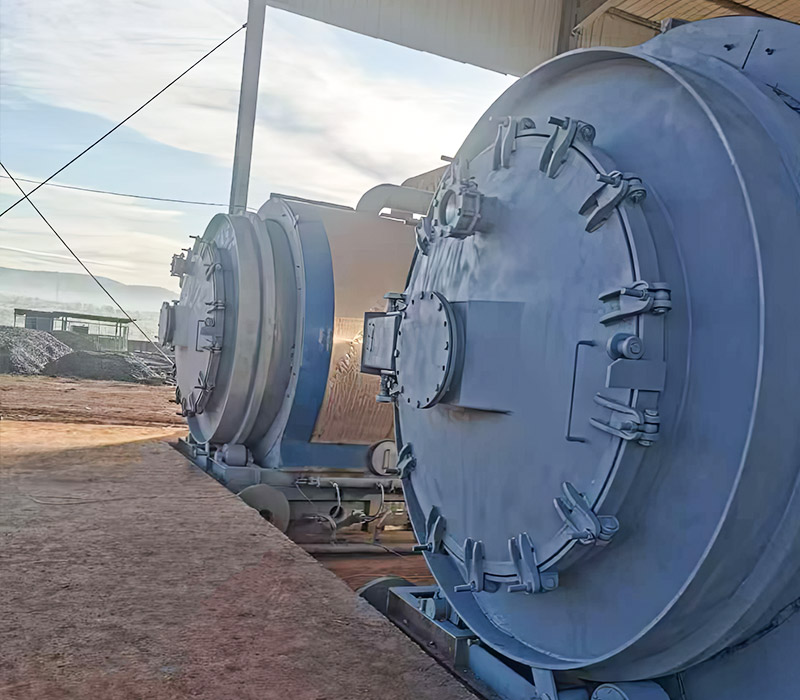
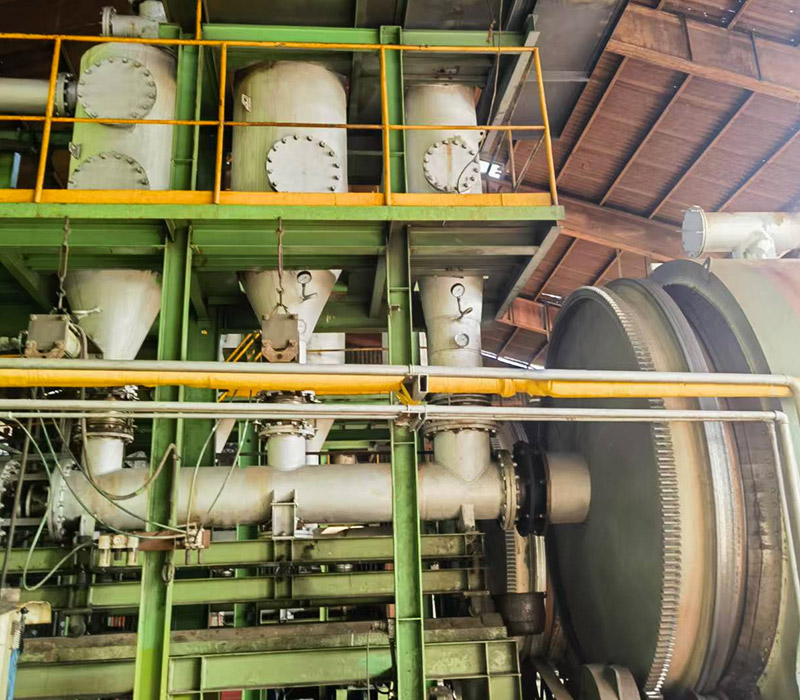
Jinpeng pyrolysis plants come in two lines: batch and continuous.
|
|
|
|
|
Daily capacity (per unit) |
1–15 t/d |
20–50 t/d |
|
Operating mode |
Batch feeding, batch discharging |
Fully automatic, 24/7 non-stop |
|
Heating supply |
Syngas self-circulation; direct or indirect heating |
Syngas self-circulation, no external fuel required |
|
Thermal cycle |
Heat-up and cool-down every batch |
Constant-temperature continuous operation |
|
Reactor material |
Premium fire-resistant materials |
Q345R boiler-grade steel plate |
|
Operating noise |
≤85 dB |
≤85 dB |
|
Safety & emission features |
Explosion-proof system, water seal |
Micro-negative pressure, controlled emissions |
|
Best fit |
Small-to-medium recycling projects, high flexibility |
Large-scale continuous production |
Specifications above are from Jinpeng's official product listings. Final configurations are subject to the technical agreement of each project.
Across the range, Jinpeng pyrolysis systems can process more than 100 types of feedstock — waste tires, plastics, medical waste, municipal solid waste, oil sludge, biomass and more — with ISO / CE certified safety systems.
Now, the mistakes.
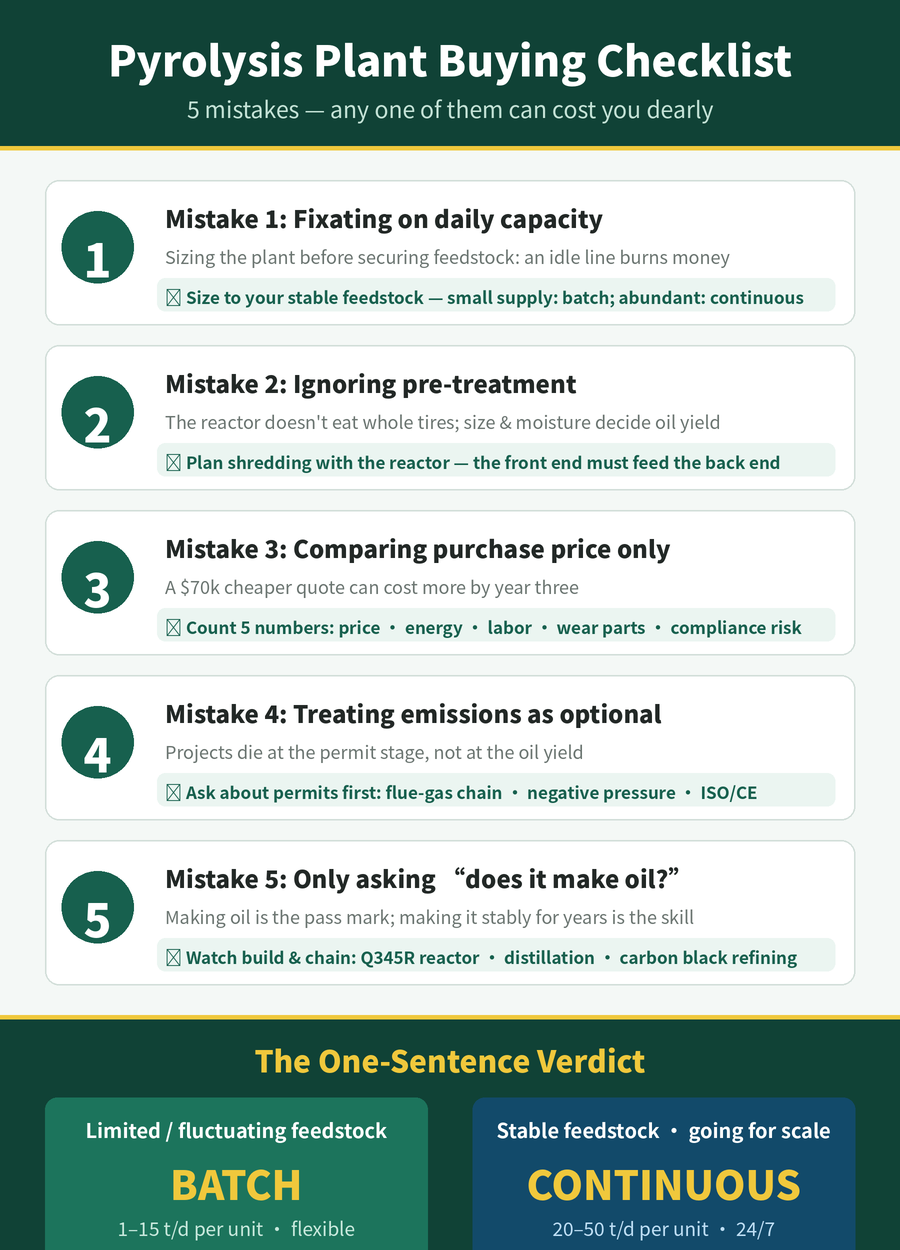
The most common error: deciding the capacity first, then looking for feedstock.
The correct order is the reverse — how many tons of waste tires can you actually collect per day, reliably? What is your collection radius? How much does supply swing between seasons?
A 50 t/d continuous line needs 50 tons of stable feedstock every single day. If supply falls short, an idle production line burns money faster than a stopped one. Conversely, if you can only source 5 tons a day, a batch plant in the 1–15 t/d range is the far more realistic choice.
Think about it this way: the plant should be sized to your feedstock, not to your ambition.
"A pyrolysis reactor does not eat whole tires." Many buyers only learn this sentence after signing the contract.
Feedstock size, form and moisture content directly determine oil-yield stability and operating safety. Shredding and pre-treatment must be planned together with the main reactor.
Jinpeng's supporting shredding capabilities, for reference:
Reactor and pre-treatment capacity must match. If the front end cannot feed fast enough, the most advanced reactor in the world just sits there waiting.
Two quotations differ by half a million. Which plant is more expensive three years later?
First, let's clear up a common misconception: syngas self-circulation is not exclusive to continuous plants. Both Jinpeng batch and continuous systems reuse the combustible gas produced by pyrolysis to heat themselves. On fuel sourcing, the two lines are fundamentally the same — so do not use "fuel" as the basis for comparing them.
The real operating-cost gap comes from these three items.
① Thermal cycle losses
A batch plant runs in cycles: heat up — react — cool down — discharge, every single batch. Every cool-down throws heat away; every new batch has to climb back up.
A continuous plant runs 24/7 at a stable working temperature, eliminating those repeated heat-up/cool-down losses. The larger the scale, the bigger this gap grows.
② Labor cost per ton processed
Batch operation requires more frequent manual intervention — loading, slag discharge, batch changeover. On a continuous line, feeding and discharging are automatic.
The key point: labor cost does not scale linearly with capacity. The same shift crew can watch one 50 t/d continuous line or one 5 t/d batch reactor — the cost structure per ton is completely different. The bigger the throughput, the stronger the dilution effect.
③ Effective uptime
In a batch plant's day, a meaningful share of time goes to loading, cooling and discharging — actual pyrolysis time is discounted. A continuous plant's 24 hours are, essentially, 24 hours.
You are not buying nameplate capacity. You are buying annual tons actually processed.
So does batch lose? Not at all.
When feedstock volume is small or supply fluctuates, none of the continuous line's advantages materialize — "cannot stop" becomes a liability instead. A batch plant fires up whenever there is material, stops flexibly, and supports both direct and indirect heating to suit different feedstocks. At small-to-medium scale, flexibility itself is a cost advantage.
Beyond the in-house comparison, several cost items are easy to overlook when comparing suppliers. Here is Jinpeng's design philosophy on each:
Count five numbers, not one: purchase price, energy, labor, wear parts & maintenance, compliance & downtime risk. Buyers who only look at the first number usually regret it in year two.
This is the mistake most likely to kill a project.
Emission control is not a bonus feature — it is the entry ticket. Whether a project gets built often depends not on oil yield, but on whether emissions pass the local environmental review.
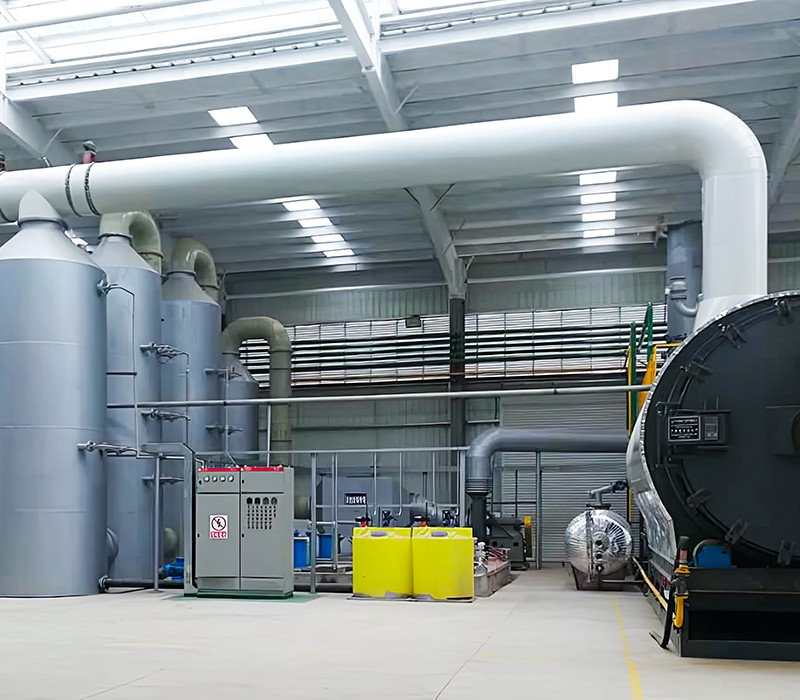
Before you sign, confirm: is the flue-gas treatment chain complete? Are there control measures such as micro-negative pressure? Is the manufacturer ISO / CE certified? Jinpeng's continuous plants run under micro-negative pressure, and batch plants are equipped with explosion-proof systems and water seals — all designed around "safety + controlled emissions".
Ask about permits before you ask about price. Get the order wrong, and everything else may be wasted.
Producing oil is the pass mark. Producing oil stably, for years, is the real skill.
Three things to watch:
A complete processing chain is worth far more than a standalone reactor.
There is no "best" plant. There is only the right configuration.
Which step are you stuck on? Leave a comment:
Need a tailored configuration? Contact us with your feedstock type and volume — our engineers will propose a solution.
Specifications in this article are from Jinpeng's official listings; final configurations are subject to the technical agreement.
Found this useful? Share it with someone who is choosing a pyrolysis plant — save them the tuition fee.






Let's Pyrolysis!


 +44 7529 150720
  [email protected]
  300 meters east of the South Railway Station in Shangqiu City, Henan Province
  Global Waste-to-Energy Solutions Waste Resource Utilization Equipment Manufacturer

 Profit Calculator
 English
 русский
 Français
 Español
 عربى
عربى