
 5 minutes
Content
Feed biomass in one end, get a stable carbon-rich solid out the other — that's the short version. A biochar making machine seals raw material inside a chamber and heats it with little to no oxygen present, so the biomass breaks down thermally instead of burning. What comes out is porous, carbon-dense char, plus a mix of syngas and condensable liquids that most modern systems capture and reuse as heating fuel.
The mechanics matter more than the definition. Reactor design, temperature control, and how the machine handles gas by-products determine whether you get a consistent, sellable product or an inconsistent batch that varies from run to run. That's the real question buyers face: not "what is biochar," but which machine configuration fits their feedstock, volume, and budget.
Three configurations dominate the market, and each answers a different operational question.
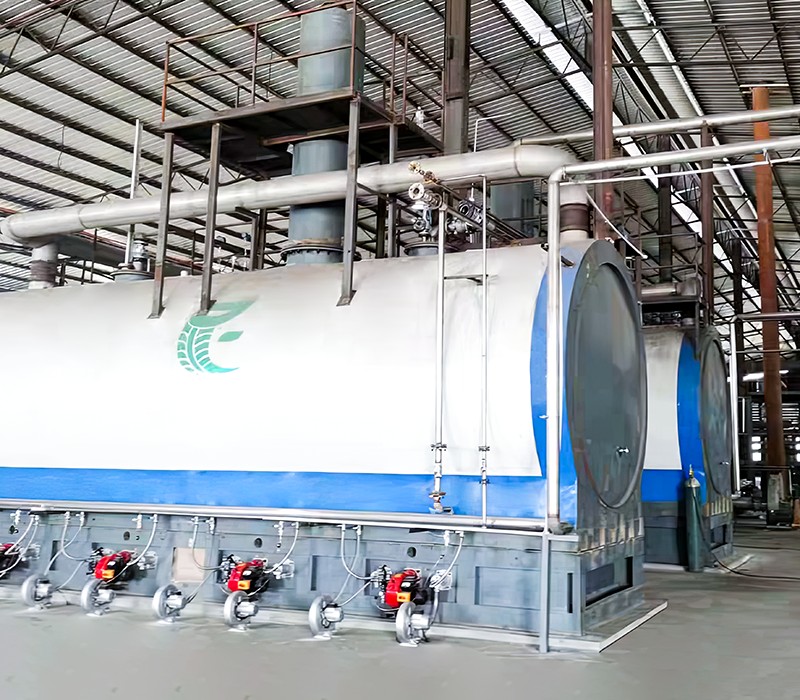
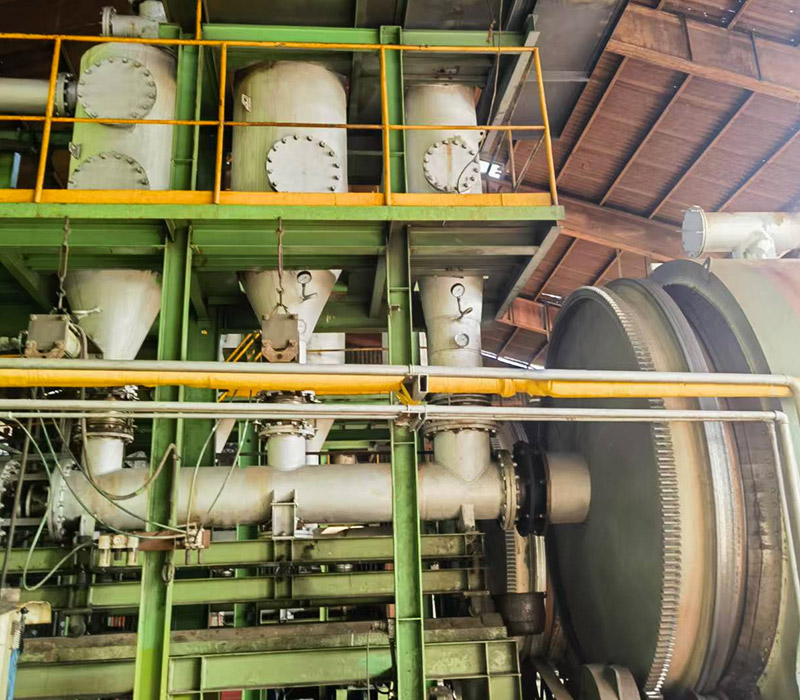
Batch machines load one charge of biomass, run it through a full heating-and-cooling cycle, then discharge before the next load starts. A slow-pyrolysis batch reactor built for converting agricultural residues into biochar typically runs at 350-500°C — a range chosen specifically to maximize char yield rather than gas or oil output. Because each cycle is isolated, operators can fine-tune temperature and dwell time per batch, which matters when feedstock varies week to week.
Continuous machines feed material in and discharge char out without stopping between loads. That uninterrupted flow raises daily throughput and cuts labor per ton, but it demands a steady, consistent feedstock stream to justify the higher upfront cost. A continuous pyrolysis plant designed for higher-throughput biomass processing suits operations with a reliable supply of straw, wood chips, or shells arriving daily rather than seasonally.
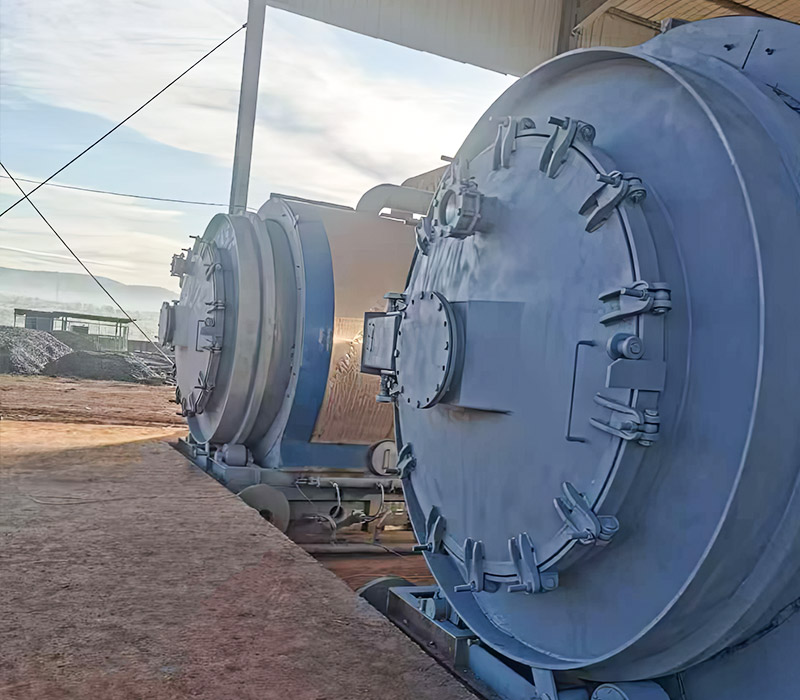
Mobile or skid-mounted machines trade raw capacity for portability. Built onto a transportable frame, they're deployed at the source of the biomass — a logging site, an orchard, a rice mill — cutting the cost of hauling bulky raw material to a fixed plant. They generally process less per hour than a stationary continuous system but eliminate transport logistics entirely.
| Configuration | Typical Daily Capacity | Best Fit | Trade-off |
|---|---|---|---|
| Batch reactor | 10-15 tons/day (single unit) | Variable feedstock, smaller operations, pilot projects | Downtime between cycles |
| Continuous plant | 30-50 tons/day | Steady, high-volume feedstock supply | Higher capital cost, needs consistent input |
| Mobile/skid unit | Roughly 2-7 tons/day (100-300 kg/h class) | Dispersed biomass sources, on-site processing | Lower per-unit throughput |
Two machines with the same daily tonnage rating can produce very different biochar. The specifications that actually drive quality and consistency are narrower than most spec sheets suggest.
Operating temperature range. Biochar-optimized machines run slow pyrolysis between roughly 350°C and 500°C, favoring solid carbon yield over gas or liquid output. Pushing past 600-700°C shifts the output balance toward syngas and reduces the proportion of solid char — useful for energy recovery, less useful if biochar is the primary revenue product.
Feed size and moisture tolerance. Most reactors require biomass reduced to roughly 2-20 mm particles with moisture below 15%. Feeding oversized or wet material causes uneven carbonization and jams the feed mechanism, so pre-treatment capacity should be sized alongside the reactor itself.
Gas recirculation. Systems that route non-condensable syngas back into the furnace as fuel cut external energy costs meaningfully — some batch reactor designs report fuel savings around 40% compared to units without recirculation. This single feature affects operating cost more than almost any other spec on the sheet.
Sealing and pressure control. A slight negative pressure inside the reactor, combined with proper sealing at feed and discharge points, keeps oxygen out and prevents gas leakage — both a safety requirement and a quality control mechanism, since oxygen intrusion during carbonization degrades char consistency.
The raw material you're processing narrows your equipment choice before capacity or budget even enter the conversation.
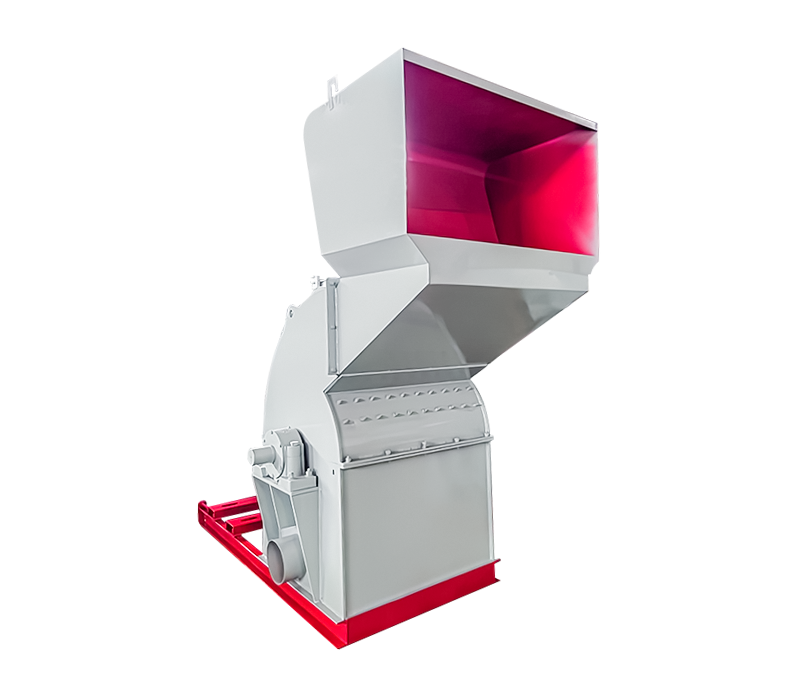
Woody biomass — sawdust, wood chips, bamboo, waste pallets — carries high carbon content and low ash, and performs well in machines running at the standard 500-600°C band. Nut shells and fruit pits are denser and need higher operating temperatures, often 700-800°C, to carbonize fully; a machine capped at 500°C will leave these feedstocks under-processed. Straw, rice husks, and other agricultural residues generally shred easily but often need a pre-treatment step to reach the target particle size — an industrial shredder for reducing agricultural biomass to a uniform particle size before carbonization is standard equipment ahead of the reactor in these setups.
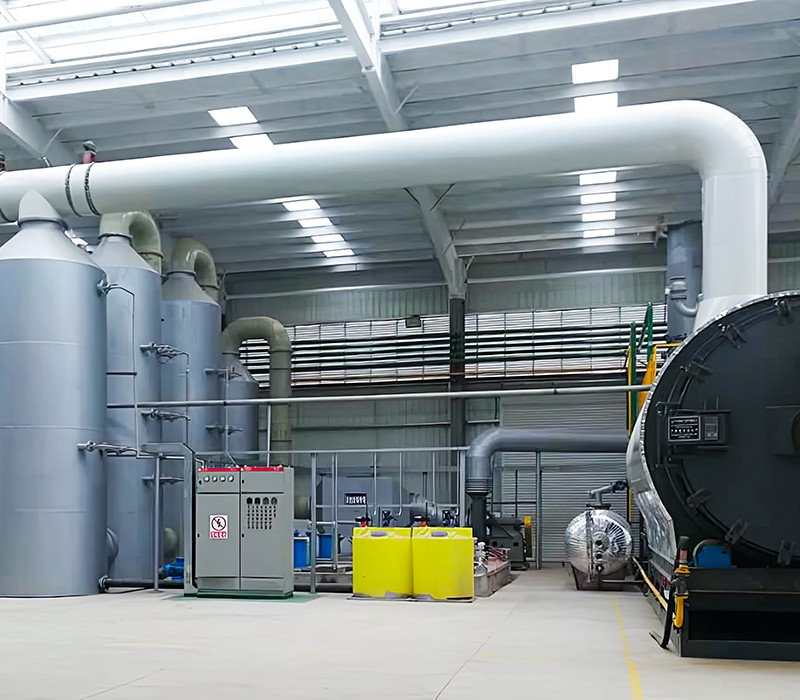
Sludge and manure sit at the difficult end of the spectrum. High moisture content demands extensive pre-drying, and potential heavy metal or contaminant loads mean the reactor needs integrated gas purification rather than a basic exhaust system. If your feedstock includes any wet organic waste stream, budget for drying capacity as part of the machine selection, not as an afterthought.
The economics come down to three inputs: feedstock cost, energy consumption, and biochar sale price — and biochar price varies widely by market, buyer, and certification status, so any number here is illustrative rather than a quote.
Take a mid-size batch reactor processing 10 tons of agricultural residue a day. At a 30% char yield, that's roughly 3 tons of biochar output daily. Feedstock costs vary by region and material — free waste residue at one end, purchased biomass at $30-50 per ton at the other. Energy costs drop sharply once gas recirculation covers most of the reactor's heating needs, typically leaving only startup fuel and electricity for auxiliary equipment as ongoing expenses. Labor for a batch system usually runs 3-6 workers per shift, depending on automation level.
On the revenue side, raw biochar sold for soil amendment or bulk agricultural use commands modest per-ton pricing in most regional markets, while biochar destined for carbon credit programs or activated carbon feedstock can command significantly more — sometimes several times the bulk agricultural price. That spread is exactly why matching your target end-market to your equipment choice before purchase matters: a machine optimized for consistent, verifiable output quality opens pricing tiers that a basic unit can't reach.
Payback timelines for batch systems in the tens-of-thousands-of-dollars range typically run from under a year to a few years, depending on utilization rate and feedstock cost. Continuous systems cost more upfront but lower the cost per ton at scale, shifting the payback calculation toward sustained volume rather than per-batch margin.
Once capacity and feedstock requirements are clear, the remaining decision is which manufacturer and configuration to commit to. A short checklist keeps that decision grounded:
For a broader walkthrough of the full selection process — including how to weigh energy recovery goals against pure biochar output — the site's in-depth guide to biochar pyrolysis equipment types and the full selection process covers the decision framework in more detail. But for most buyers, the machine choice comes down to a straightforward match: batch equipment for flexibility and lower entry cost, continuous systems for sustained volume, and mobile units when the biomass simply can't come to you.






Let's Pyrolysis!


 +44 7529 150720
  [email protected]
  300 meters east of the South Railway Station in Shangqiu City, Henan Province
  Global Waste-to-Energy Solutions Waste Resource Utilization Equipment Manufacturer

 Profit Calculator
 English
 русский
 Français
 Español
 عربى
عربى