
 5 minutes
Content
A 16-ton batch reactor and a fully automated 50-ton-per-day continuous line are both sold under the same label — pyrolysis unit — yet the two machines share almost nothing in footprint, staffing requirements, or capital outlay. The term is broader than it sounds, and that breadth is exactly what trips up first-time buyers comparing quotes.
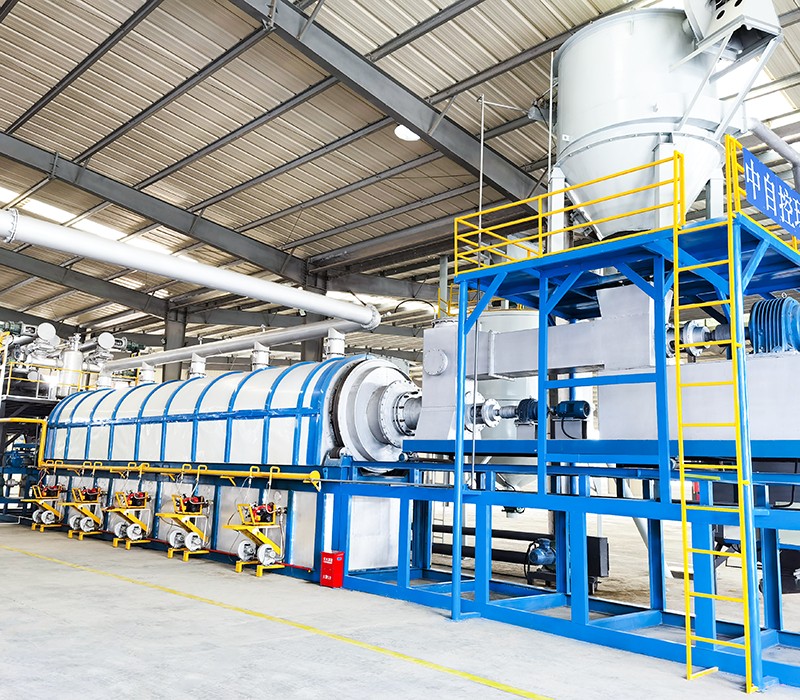
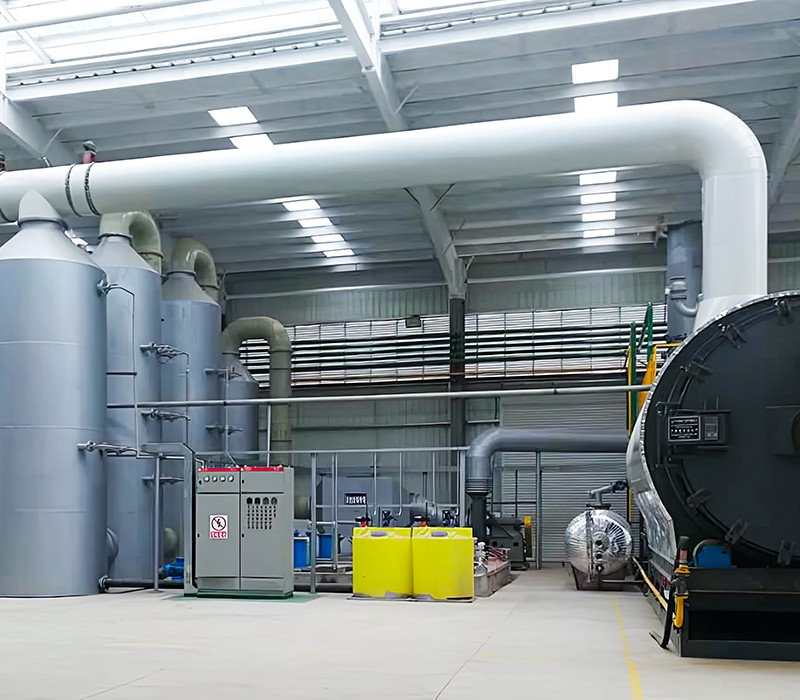
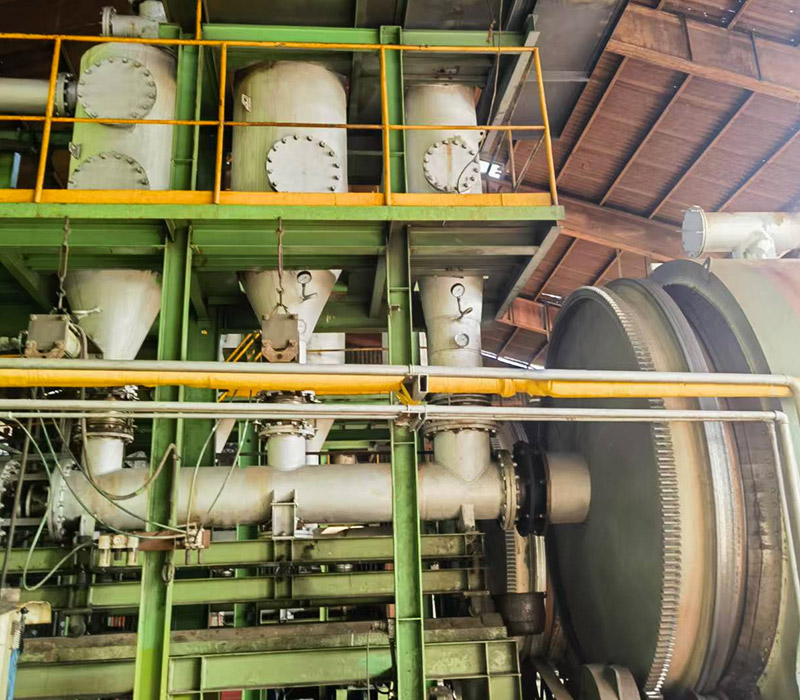
In practice, a pyrolysis unit refers to the core mechanical assembly that carries out thermal decomposition: the reactor itself, plus the feeding mechanism, heating system, gas condensation train, and discharge module built directly around it. A pyrolysis plant is the larger picture — the unit plus civil works, exhaust treatment, storage tanks, and the site infrastructure surrounding it.
That distinction matters for sourcing. When a supplier quotes "a pyrolysis unit," they are typically pricing the reactor package on its own, while ancillary equipment such as oil storage or wastewater handling gets quoted separately. Knowing which scope you're comparing prevents apples-to-oranges quotes later in the buying process.
Every pyrolysis unit on the market falls into one of two mechanical categories, and this single distinction drives almost every other spec on the datasheet.
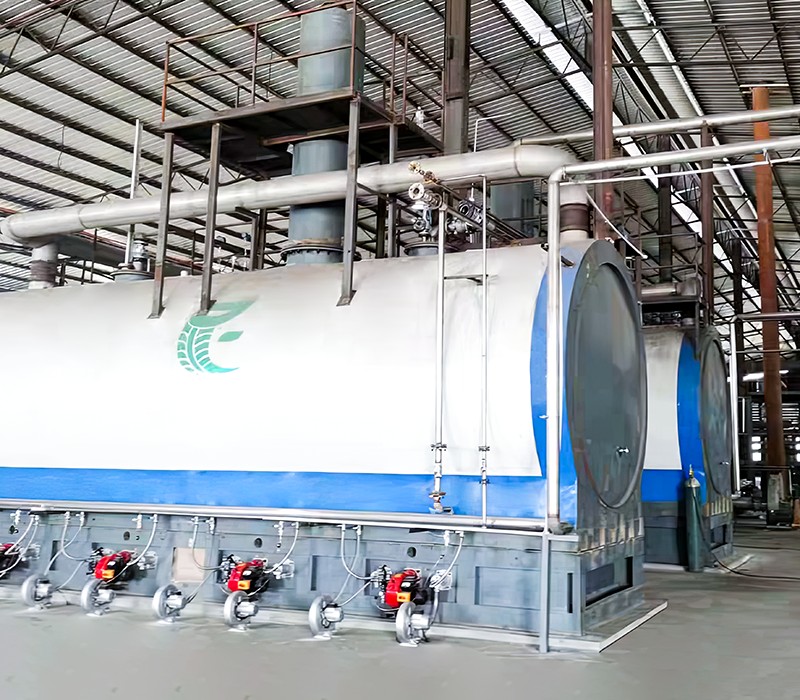
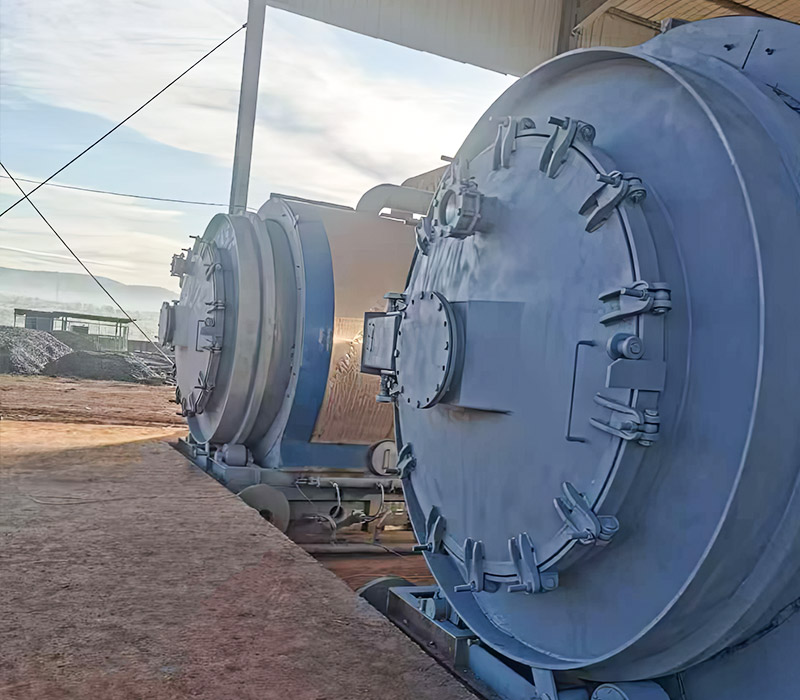
A batch unit runs on a load-heat-cool-discharge cycle. Feedstock goes in, the reactor seals and heats for several hours, and the system cools before the residue comes out — commonly described as "one furnace per day." This makes batch-mode pyrolysis equipment built for smaller, intermittent production runs the lower-cost entry point, typically handling 1 to 20 tons of feedstock per day.
A continuous unit feeds and discharges material simultaneously through sealed spiral mechanisms, so there's no cooling pause between cycles. Continuous pyrolysis systems designed for 24/7 high-volume output generally process 20 to 50 tons daily and recycle their own syngas to cut external fuel use, but they demand a steadier, pre-processed feedstock stream and a larger upfront investment.
| Factor | Batch Unit | Continuous Unit |
|---|---|---|
| Operating cycle | Load → heat → cool → discharge | Simultaneous feed and discharge |
| Typical capacity | 1–20 tons/day | 20–50 tons/day |
| Capital cost | Lower | Higher |
| Labor intensity | Higher per ton processed | Lower, largely automated |
| Feedstock flexibility | Tolerates mixed, less-prepared material | Requires consistent, pre-shredded feed |
| Best fit | Smaller operators, variable supply | High-volume, steady-supply operations |
Mechanical format is only half the decision. The material going into the reactor shapes the feeding system, the reactor lining, and even the target temperature, so the same "batch" or "continuous" label can mean very different hardware depending on what it's built to process.
Tyres need steel wire separated from the rubber, so units built for this feedstock include magnetic discharge systems alongside the reactor. A continuous tyre-to-oil pyrolysis system built for steady rubber feedstock typically pairs an anti-clogging feed mechanism with a magnetic separator on the discharge end.
Plastics soften before they decompose, which can jam standard screw feeders, so plastic-rated units run different feed mechanics and slightly different temperature profiles than rubber. Oil sludge carries high moisture content and needs negative-pressure operation to extract hydrocarbons cleanly from a wet, variable feed. Biomass, by contrast, runs at lower temperatures over longer dwell times specifically to maximize solid biochar output rather than liquid oil — a slow-pyrolysis biochar reactor optimized for agricultural residues is tuned for exactly that goal. Mixed municipal solid waste sits at the most demanding end of the spectrum, since it usually needs pre-sorting before any reactor, batch or continuous, can run it efficiently.
Datasheets for pyrolysis units are dense with numbers, but a handful of them actually predict how the equipment will perform on your site.
Reactor material determines both feedstock compatibility and service life. 310S stainless steel withstands roughly 1035°C and suits plastics, which need higher reaction temperatures and stronger corrosion resistance, while 304 stainless steel and Q345R carbon steel handle the 450–700°C range typical of oil sludge and tire pyrolysis at a lower cost. Temperature range and dwell time govern product output — operation below roughly 500°C leans toward solid char, while the 500–700°C range favors liquid oil yield.
Throughput needs to match your actual feedstock supply chain rather than the largest number on a brochure; a unit rated for 30 tons a day sitting idle at 10 tons of available feedstock erodes the economics fast. Noise output matters more than buyers expect when a site sits near residential or mixed-use zoning, and heating method — direct burner versus hot-air or waste-heat recycling — affects both fuel cost and temperature uniformity across a cycle.
| Specification | Typical Range | Why It Matters |
|---|---|---|
| Reactor material | Q345R, 304SS, 310SS | Sets temperature ceiling and corrosion resistance |
| Operating temperature | 300–800°C | Determines the balance between oil, char, and gas yield |
| Daily throughput | 1–50 tons | Must align with available feedstock volume |
| Noise level | ≤85 dB | Affects siting near residential or urban zones |
| Heating method | Direct burner, hot-air, or waste-heat recycling | Drives fuel cost and temperature uniformity |
Pyrolysis runs hot, oxygen-free reactions on materials that turn into combustible gas — which means safety hardware isn't optional, it's the difference between a stable operation and a serious incident.
Before finalizing any unit, confirm it includes nitrogen purging to displace residual oxygen before ignition and discharge, since flammable gas mixing with air is the most common cause of reactor flash fires. Look for micro-negative pressure control, which keeps gas flowing inward rather than leaking outward, plus water seal systems that prevent syngas backflow into the feed line. Explosion-proof electrical components and automatic high-temperature alarms round out the baseline safety package that serious manufacturers build in as standard rather than as optional add-ons.
For operations handling flammable gas streams at scale, it's worth reviewing how regulators frame these risks more broadly. The U.S. standard covering management of highly hazardous and flammable chemical processes outlines the kind of hazard analysis, equipment integrity checks, and emergency procedures that responsible pyrolysis operations should mirror, even outside direct regulatory jurisdiction.
Once the mechanical format, feedstock fit, and specifications line up, a short gut-check before signing off can save months of troubleshooting later.
None of these steps replaces a site-specific consultation, but walking through them before requesting quotes turns a vague "pyrolysis unit" inquiry into a specification sheet a supplier can actually price accurately.






Let's Pyrolysis!


 +44 7529 150720
  [email protected]
  300 meters east of the South Railway Station in Shangqiu City, Henan Province
  Global Waste-to-Energy Solutions Waste Resource Utilization Equipment Manufacturer

 Profit Calculator
 English
 русский
 Français
 Español
 عربى
عربى