
 15 minutes
Content
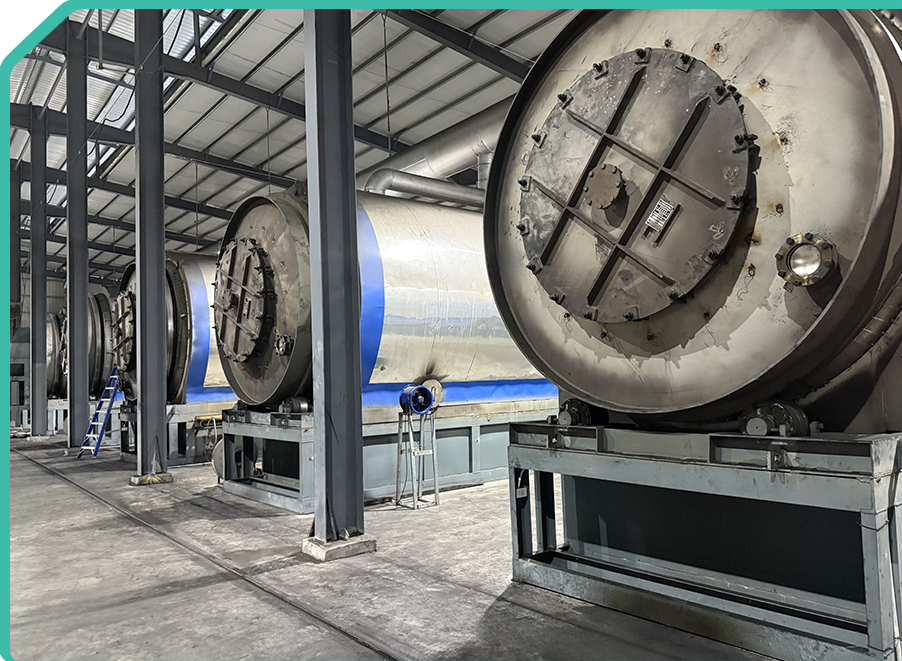
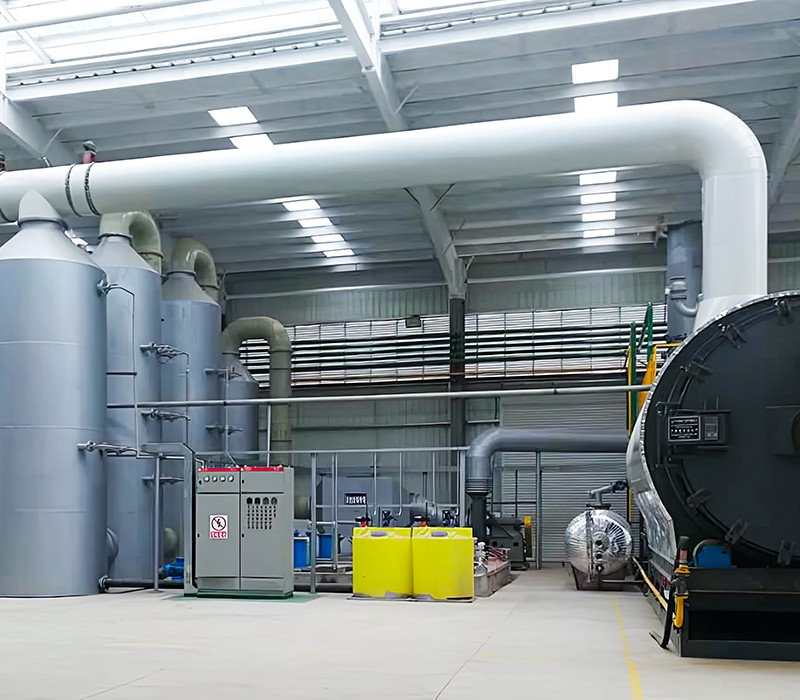
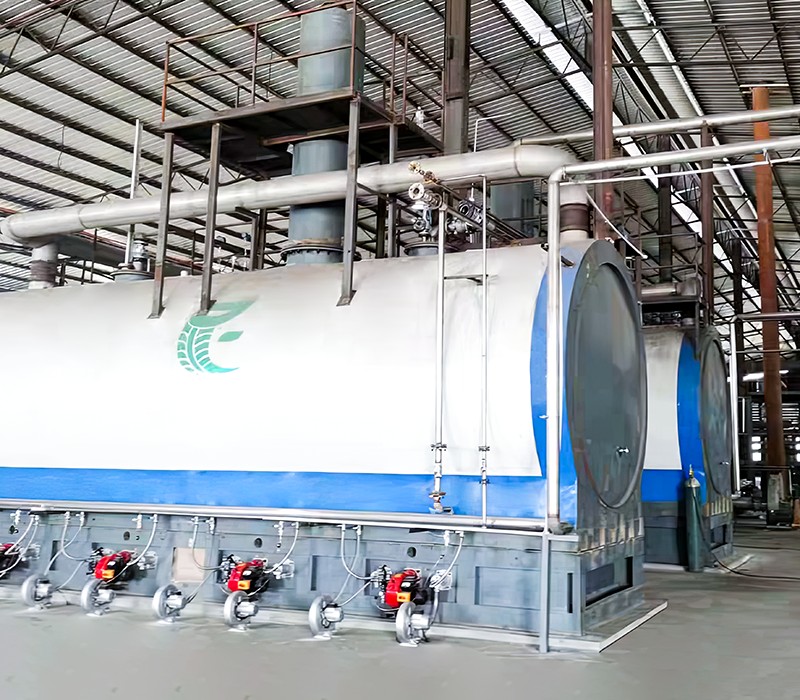
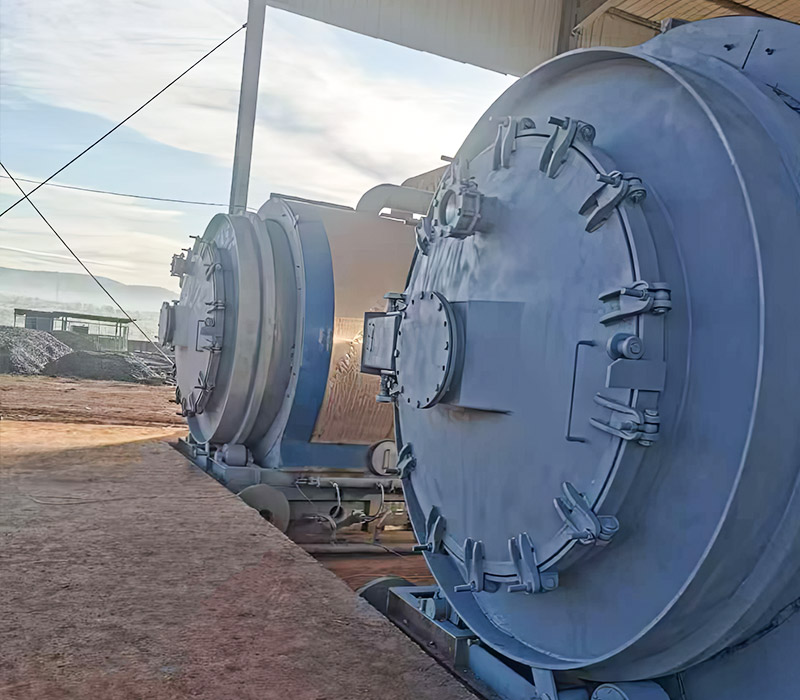
Batch pyrolysis plants are specialized systems designed to thermochemically decompose organic and carbon-based materials in an oxygen-limited environment. This process converts waste into useful products such as pyrolysis oil, syngas, and char. Understanding the types of waste suitable for batch pyrolysis is crucial for maximizing efficiency, ensuring safety, and obtaining high-quality outputs. Different feedstocks require different operational considerations, and selecting the right waste materials is key to optimal performance.
Plastic waste is among the most commonly processed materials in batch pyrolysis plants. Common types include polyethylene (PE), polypropylene (PP), polystyrene (PS), and mixed plastic scraps. These plastics have high calorific values and can be efficiently converted into pyrolysis oil and gas. It is important to avoid plastics containing chlorine, such as PVC, as they release toxic gases and can corrode equipment during pyrolysis.
Scrap tires are an ideal feedstock for batch pyrolysis due to their high carbon and hydrocarbon content. Tire pyrolysis produces pyrolysis oil, gas, steel wire, and carbon black. Proper shredding or cutting of tires is necessary to ensure uniform heating and maximize output efficiency. Tire-derived pyrolysis oil can be used as fuel, while recovered steel and carbon black have industrial applications.
Organic waste such as agricultural residues, wood chips, and food waste can also be processed in batch pyrolysis plants. These materials are rich in cellulose, hemicellulose, and lignin, which thermochemically decompose into bio-oil, syngas, and biochar. Moisture content should be controlled to improve efficiency, typically below 20%, and pre-drying is often recommended for wet feedstocks.
Certain hazardous and industrial wastes, including medical waste, electronic waste, and rubber scraps, can also be processed in batch pyrolysis plants under controlled conditions. These wastes require careful handling to prevent the release of toxic substances. Proper pre-treatment, temperature control, and emission management are critical for safe pyrolysis.
Selecting appropriate waste for batch pyrolysis involves evaluating key characteristics such as moisture content, calorific value, chemical composition, and contaminant levels. Low moisture and high hydrocarbon content maximize pyrolysis oil yield, while minimizing harmful emissions. Contaminants like chlorine, heavy metals, or adhesives may require specialized pre-treatment or exclusion from the process.
| Feedstock | Moisture Content | Typical Product | Special Considerations |
| Plastics | <5% | Pyrolysis oil, gas | Avoid PVC |
| Tires | 5-10% | Oil, gas, carbon black, steel | Shredding required |
| Wood & Agri Waste | <20% | Bio-oil, gas, char | Drying recommended |
| Industrial / Hazardous Waste | Varies | Oil, char, gas | Pre-treatment required |
Batch pyrolysis plants can process a wide variety of waste materials, including plastics, tires, organic residues, and certain hazardous wastes. Selecting suitable feedstocks based on moisture, calorific value, and chemical composition ensures optimal conversion efficiency and product quality. Proper pre-treatment and operational practices enhance safety and environmental compliance, making batch pyrolysis an effective solution for sustainable waste management.






Let's Pyrolysis!


 +44 7529 150720
  [email protected]
  300 meters east of the South Railway Station in Shangqiu City, Henan Province
  Global Waste-to-Energy Solutions Waste Resource Utilization Equipment Manufacturer

 Profit Calculator
 English
 русский
 Français
 Español
 عربى
عربى