
 8 minutes
Content
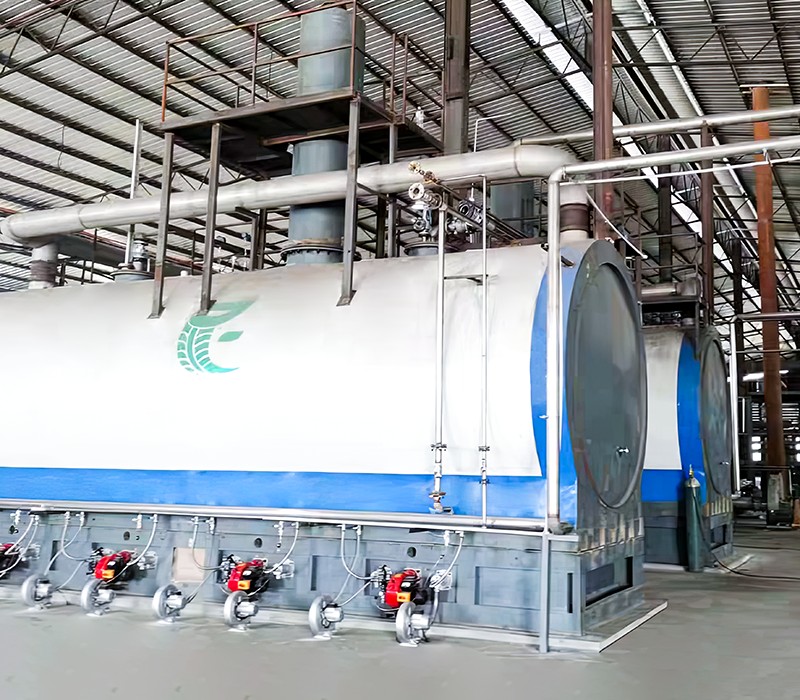
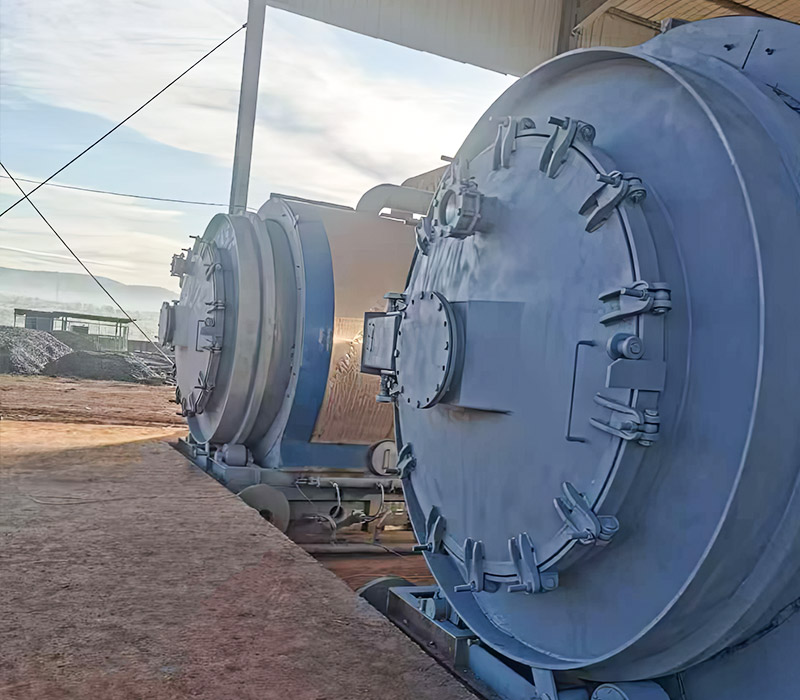
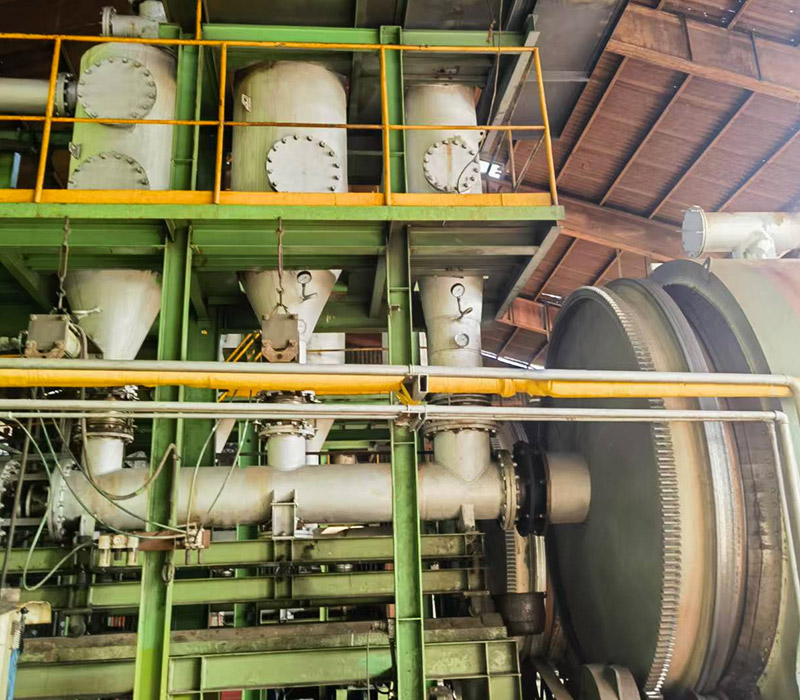
A Batch Pyrolysis Plant is a specialized facility designed to convert waste materials, such as tires, plastics, and biomass, into useful products like fuel oil, carbon black, and combustible gas through thermal decomposition in the absence of oxygen. Proper maintenance and care are crucial to ensure operational efficiency, longevity, and safety. This article provides detailed guidance on maintaining and caring for batch pyrolysis plants.
Regular inspection is essential to identify potential issues early and prevent costly breakdowns.
Run the plant through a short operational cycle without a full load to check for unusual noises, vibrations, or smoke. This helps in detecting early mechanical or electrical issues.
Mechanical parts, including reactors, conveyors, and feeding systems, require careful maintenance to ensure consistent performance.
Check bolts, screws, and fasteners on moving and stationary parts to ensure tightness and proper alignment. Misalignment can cause vibrations, excessive wear, and operational hazards.
Electrical components, including control panels, sensors, and heating elements, require careful monitoring for safety and performance.
Regularly calibrate sensors for temperature, pressure, and gas detection. Verify that the control panel accurately reflects operational conditions and performs commands reliably.
Keeping the plant clean ensures operational efficiency and reduces environmental hazards.
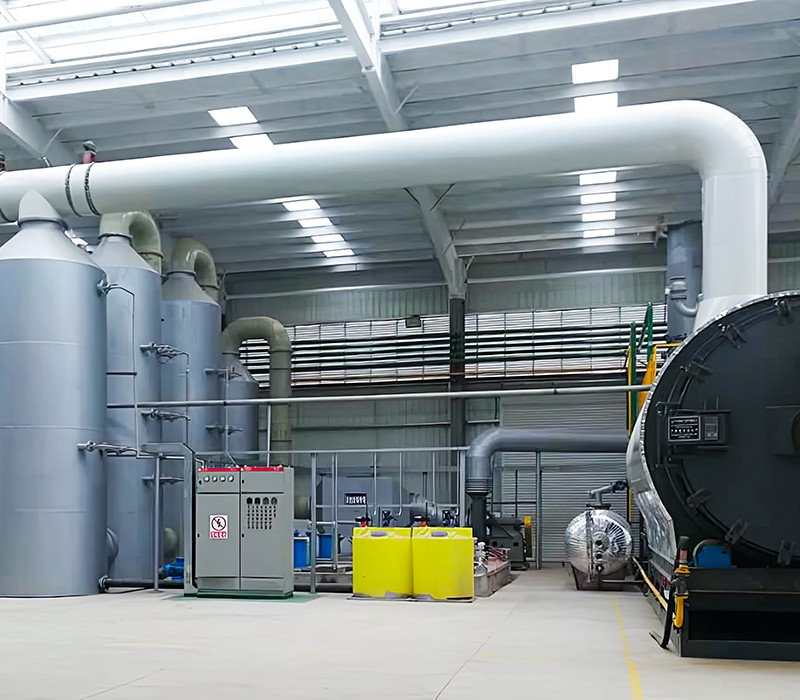
Ensure that exhaust gases and emissions are properly filtered and discharged according to environmental standards. Regularly check scrubbers, filters, and condensers for optimal performance.
Safety is a critical concern in pyrolysis operations. Regular checks minimize risks for operators and the surrounding environment.
Ensure operators are trained in emergency procedures, routine maintenance, and safe handling of pyrolysis materials. Well-trained personnel reduce operational risks significantly.
Timely troubleshooting prevents minor issues from escalating into major failures, ensuring uninterrupted operation.
Identify defective components, replace worn or damaged parts, and retest the system. Always follow manufacturer guidelines and use certified technicians for complex repairs.
Proper maintenance and care of a Batch Pyrolysis Plant are essential for safety, efficiency, and longevity. By performing routine inspections, mechanical and electrical upkeep, cleaning, safety checks, and timely troubleshooting, operators can ensure stable operation and optimal performance. Following these methods reduces downtime, extends the life of the equipment, and ensures compliance with environmental and safety standards.







Let's Pyrolysis!


 +44 7529 150720
  [email protected]
  300 meters east of the South Railway Station in Shangqiu City, Henan Province
  Global Waste-to-Energy Solutions Waste Resource Utilization Equipment Manufacturer

 Profit Calculator
 English
 русский
 Français
 Español
 عربى
عربى