

As industries worldwide move toward sustainability, waste oil distillation equipment has emerged as a critical enabler of the circular economy. Used oils generated from machinery, vehicles, and industrial processes were once treated as hazardous waste with limited disposal options. Today, advanced distillation technologies allow these oils to be recovered, refined, and reused, transforming waste into valuable resources while reducing environmental impact and operational costs.
Content
The circular economy focuses on keeping materials in use for as long as possible through reuse, recycling, and recovery. Waste oil fits squarely into this model because it retains significant energy and material value even after initial use. Without proper treatment, waste oil can contaminate soil and water, posing serious environmental risks.
Waste oil distillation equipment enables the transition from a linear “use and dispose” approach to a regenerative system. By recovering base oils and usable fractions, distillation supports resource efficiency and reduces reliance on virgin petroleum extraction.
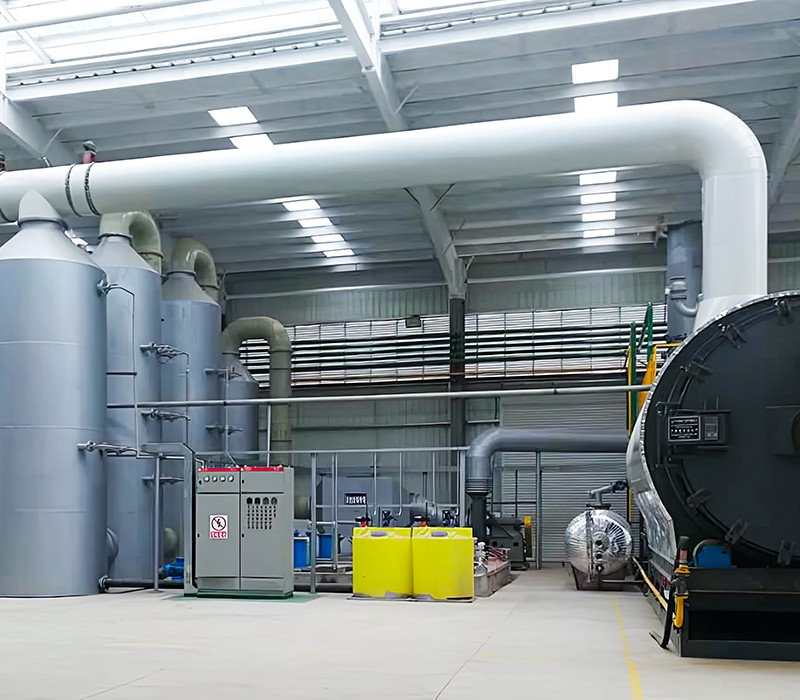
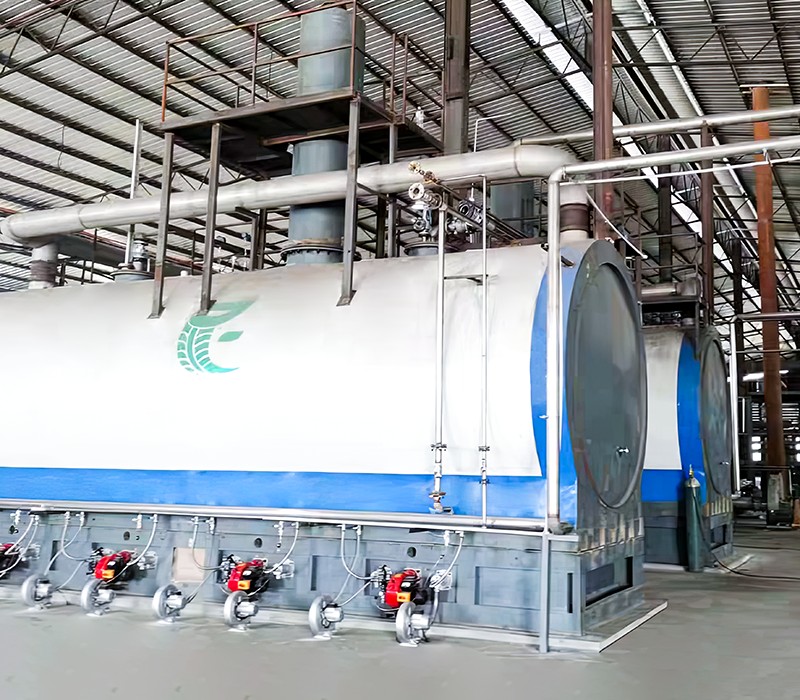
Waste oil distillation equipment separates used oil into different components through controlled heating and condensation. By applying precise temperature management, lighter fractions vaporize first, while heavier contaminants remain behind. The vapors are then condensed and collected as reusable oil products.
Modern systems are designed for efficiency and safety, ensuring consistent output quality and minimal emissions.
Improper disposal of waste oil is a major source of environmental pollution. Even small quantities can contaminate large volumes of water or soil. Waste oil distillation equipment mitigates this risk by converting hazardous waste into controlled, reusable outputs.
By reducing the need for incineration or landfill disposal, distillation equipment lowers greenhouse gas emissions and minimizes the release of toxic substances. This directly aligns with environmental protection goals and regulatory requirements.
Producing base oil from crude petroleum is energy-intensive and resource-heavy. Waste oil distillation equipment significantly reduces energy consumption by recovering usable oil from existing materials. This process requires less energy than refining crude oil, making it an efficient alternative.
Recovered oil can be reused in lubricants, fuels, or industrial applications, reducing demand for new raw materials. This closed-loop approach strengthens supply chain resilience and conserves finite natural resources.
In a circular economy, waste is viewed as a resource rather than a cost. Waste oil distillation equipment enables businesses to extract economic value from used oil by converting it into sellable or reusable products. This transforms waste management from an expense into a revenue-generating activity.
Industries such as automotive maintenance, manufacturing, and power generation benefit directly by reducing disposal costs and offsetting raw material expenses through oil recovery.
Waste oil distillation equipment is used in diverse sectors where oil consumption is high. Each industry leverages recovered oil to improve sustainability and operational efficiency.
| Industry | Recovered Oil Use |
|---|---|
| Automotive | Lubricants and fuel blending |
| Manufacturing | Machinery oils and hydraulic fluids |
| Energy | Alternative fuel sources |
Governments worldwide are tightening regulations around waste disposal and emissions. Waste oil distillation equipment helps companies meet these requirements by offering a compliant and traceable method for oil recycling.
By adopting certified distillation systems, organizations demonstrate environmental responsibility while reducing the risk of fines, legal issues, and reputational damage.
Sustainability is no longer optional for modern industries. Waste oil distillation equipment supports corporate sustainability strategies by lowering carbon footprints and improving material efficiency. These benefits contribute to broader environmental, social, and governance objectives.
The ability to document oil recovery and reuse also enhances transparency, enabling companies to report measurable progress toward sustainability targets.
Advances in automation, temperature control, and emissions management have made modern waste oil distillation equipment more efficient and user-friendly. Improved system designs reduce energy consumption and enhance output quality while maintaining operational safety.
These technological improvements make oil recycling accessible not only to large industrial facilities but also to small and medium-sized operations, expanding the impact of circular practices.
Waste oil distillation equipment embodies the principles of the circular economy by transforming waste into valuable resources, reducing pollution, and conserving energy. It bridges the gap between environmental responsibility and economic viability, making sustainability achievable for a wide range of industries.
As global demand for sustainable solutions continues to rise, waste oil distillation equipment will remain a vital tool for closing material loops and supporting long-term industrial resilience.







Let's Pyrolysis!


 +44 7529 150720
  [email protected]
  300 meters east of the South Railway Station in Shangqiu City, Henan Province
  Global Waste-to-Energy Solutions Waste Resource Utilization Equipment Manufacturer

 Profit Calculator
 English
 русский
 Français
 Español
 عربى
عربى