
 5 minutes
Content
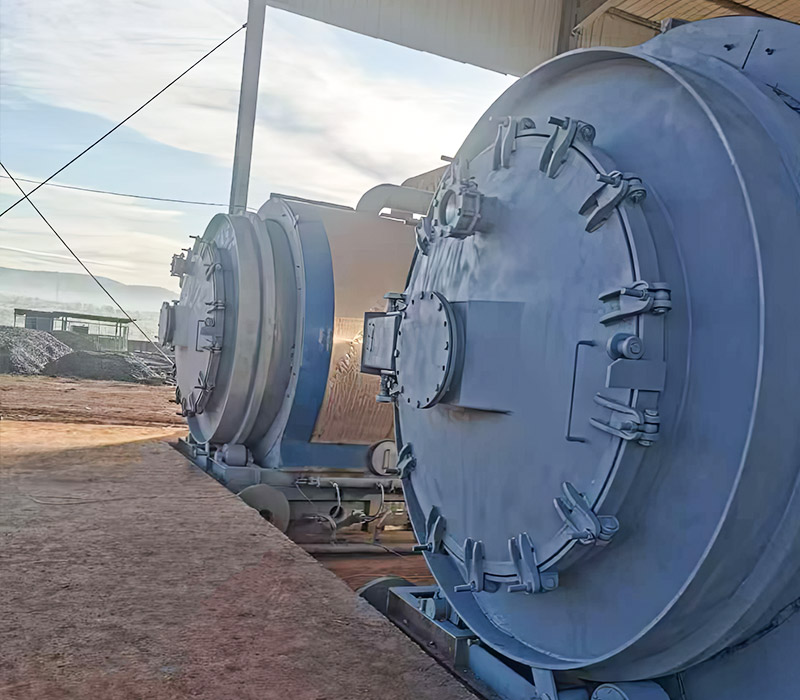
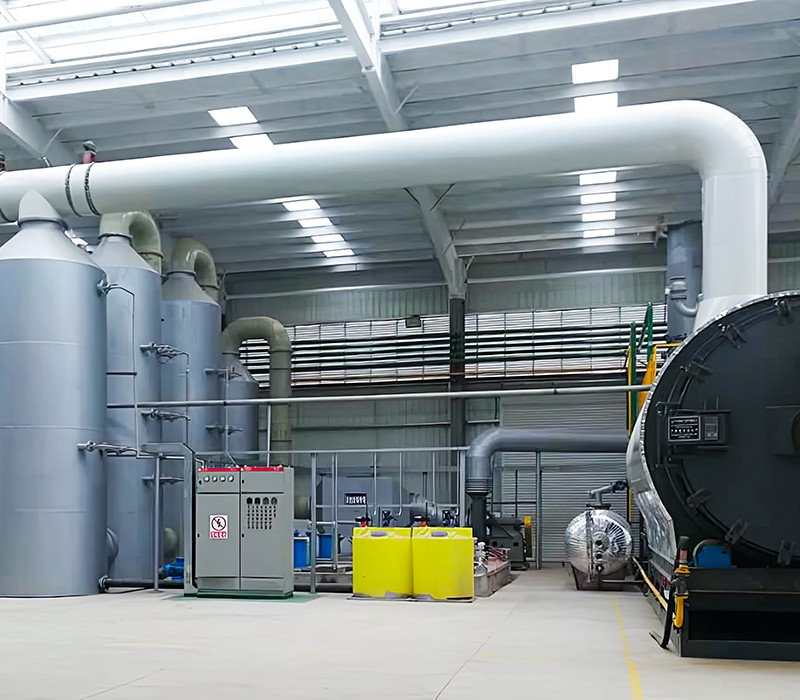
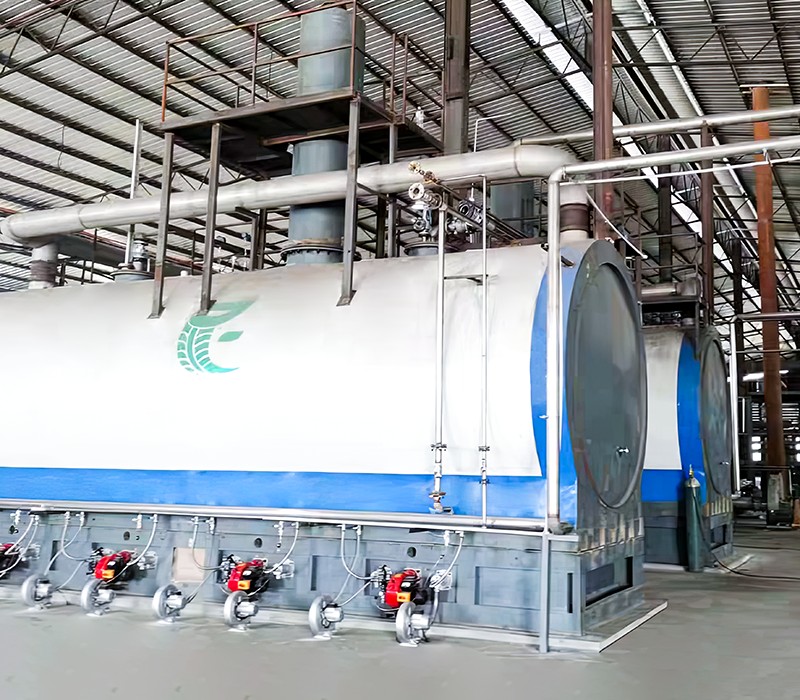
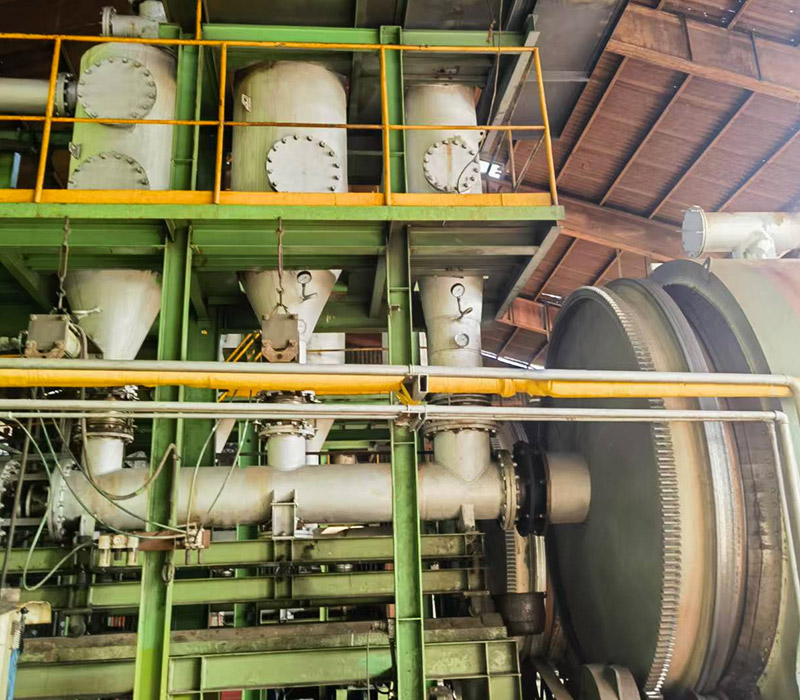
Batch pyrolysis equipment is a thermal processing system designed to convert organic and polymer-based waste into valuable outputs such as pyrolysis oil, syngas, and solid char under oxygen-free conditions. Unlike continuous systems, batch pyrolysis operates in discrete cycles, allowing materials to be loaded, processed, and unloaded in defined stages.
In circular economy projects, where the goal is to minimize waste and maximize resource recovery, batch pyrolysis equipment is gaining attention as a practical and adaptable solution. Its ability to handle diverse feedstocks and operate at smaller scales aligns well with decentralized and region-specific waste management strategies.
Circular economy initiatives prioritize systems that can adapt to changing material flows, regulatory requirements, and economic conditions. Waste streams are often inconsistent in composition and volume, especially at municipal or regional levels.
Batch pyrolysis equipment offers flexibility that continuous systems may lack. Operators can adjust processing parameters, feedstock types, and batch sizes without extensive system reconfiguration. This adaptability makes batch systems particularly attractive for pilot projects and early-stage circular economy implementations.
One of the main reasons batch pyrolysis equipment is gaining attention is its ability to process a wide range of feedstocks. These may include plastic waste, biomass residues, scrap rubber, contaminated packaging, and mixed organic materials.
Because each batch can be optimized individually, operators can accommodate feedstock variability without compromising process stability. This is especially valuable in circular economy projects that rely on locally available waste rather than uniform industrial by-products.
Many circular economy projects target waste streams that are too small or too complex for large continuous plants. Batch pyrolysis equipment allows these materials to be processed efficiently without requiring high, constant throughput.
This capability supports the recovery of value from waste that would otherwise be landfilled or incinerated, directly contributing to resource circularity.
Compared to large-scale continuous pyrolysis plants, batch pyrolysis equipment generally requires lower initial capital investment. This makes it more accessible to small and medium-sized enterprises, municipalities, and research-driven circular economy projects.
Lower financial barriers encourage experimentation and innovation. Organizations can deploy batch systems to validate feedstock availability, product quality, and market demand before scaling up operations.
Batch pyrolysis equipment plays a direct role in energy recovery by converting waste into usable fuels and materials. Pyrolysis oil can be refined or used as an alternative fuel, while syngas is often recycled within the system to provide process heat.
This internal energy utilization improves overall efficiency and reduces reliance on external energy sources. In circular economy projects, such closed-loop energy use aligns with sustainability goals and helps reduce carbon footprints.
Environmental compliance is a critical factor in waste processing projects. Batch pyrolysis equipment typically operates in sealed reactors, minimizing emissions and reducing the risk of uncontrolled combustion.
For circular economy initiatives operating under strict environmental regulations, the controlled nature of batch systems can simplify permitting and monitoring. Advanced gas cleaning and condensation systems further reduce environmental impact.
| Evaluation Aspect | Batch Pyrolysis Equipment | Continuous Pyrolysis Systems |
| Feedstock Flexibility | High | Moderate to low |
| Capital Investment | Lower | Higher |
| Operational Complexity | Moderate | High |
| Suitability for Pilot Projects | Excellent | Limited |
Circular economy strategies increasingly emphasize localized processing to reduce transportation costs and emissions. Batch pyrolysis equipment can be deployed closer to waste generation sources, such as industrial parks, agricultural regions, or municipal facilities.
This decentralized approach supports regional resource loops, where waste is converted into energy or materials that can be reused locally. Such models strengthen supply chain resilience and promote community-level sustainability.
Batch pyrolysis systems are often simpler to operate than large continuous plants. Automated temperature control, pressure monitoring, and safety interlocks reduce the need for highly specialized operators.
For circular economy projects with limited technical staff, this operational simplicity can be a decisive advantage. Training requirements are generally lower, and maintenance activities can be scheduled between batches without disrupting continuous production.
Despite its advantages, batch pyrolysis equipment is not without limitations. Batch operation inherently involves downtime between cycles, which can reduce overall throughput compared to continuous systems.
Additionally, scaling batch systems to very high processing volumes may require multiple units, increasing operational coordination. These factors must be carefully evaluated during project planning.
Technological advancements are gradually improving the efficiency and automation of batch pyrolysis equipment. Enhanced heat recovery, improved reactor materials, and smarter control systems are narrowing the performance gap with continuous technologies.
As circular economy policies expand and waste-to-resource initiatives receive greater support, batch pyrolysis equipment is likely to play a growing role in pilot projects, niche applications, and decentralized recycling networks.
Batch pyrolysis equipment is gaining attention in circular economy projects because it aligns with key principles of flexibility, resource efficiency, and localized processing. Its ability to handle diverse waste streams, operate at manageable scales, and deliver recoverable value makes it a practical choice for many sustainability-focused initiatives.
While it may not replace large continuous plants in all scenarios, batch pyrolysis equipment offers a valuable pathway for transforming waste into resources. In the evolving landscape of circular economy solutions, it represents a balance between technical feasibility, economic accessibility, and environmental responsibility.







Let's Pyrolysis!


 +44 7529 150720
  [email protected]
  300 meters east of the South Railway Station in Shangqiu City, Henan Province
  Global Waste-to-Energy Solutions Waste Resource Utilization Equipment Manufacturer

 Profit Calculator
 English
 русский
 Français
 Español
 عربى
عربى