

Content
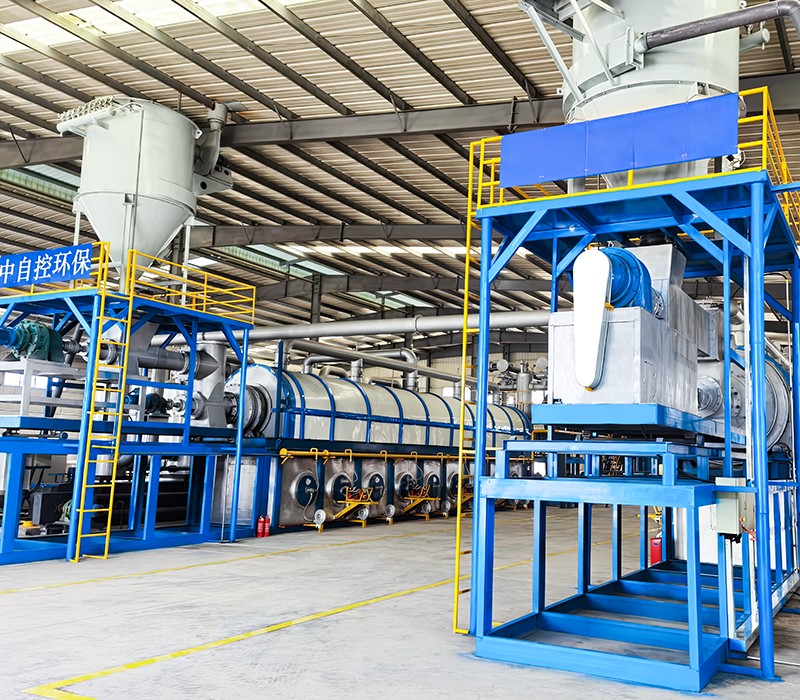
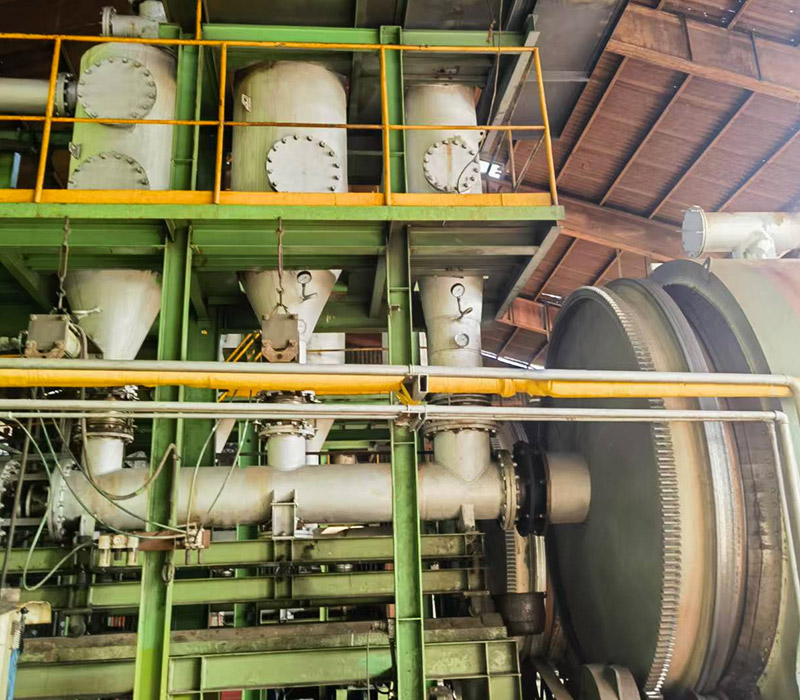
Continuous pyrolysis plants are industrial systems designed to convert waste materials, such as tires, plastics, and biomass, into valuable products like pyrolysis oil, gas, and carbon black. Unlike batch systems, continuous pyrolysis plants operate non-stop, offering higher productivity and better scalability. Improving their operating efficiency is crucial for maximizing output, reducing operational costs, and minimizing environmental impact.
The type, quality, and preparation of feedstock have a direct impact on plant efficiency. Ensuring consistent feedstock characteristics prevents process disruptions and maintains uniform thermal reactions within the reactor.
Shredding or crushing feedstock to a uniform size ensures even heating and faster pyrolysis. Smaller particle sizes increase surface area, improving heat transfer and accelerating decomposition, which leads to higher conversion rates.
High moisture content in feedstock reduces thermal efficiency and produces excess steam, which can lower pyrolysis yields. Pre-drying feedstock to an optimal moisture level enhances reactor efficiency and increases the quality of pyrolysis products.
Temperature management is critical in continuous pyrolysis. Maintaining the optimal pyrolysis temperature ensures complete decomposition of feedstock while preventing energy waste and incomplete reactions.
Different feedstocks require specific temperature ranges for efficient pyrolysis. For example, tire pyrolysis typically operates between 450–550°C, while plastic pyrolysis is efficient around 350–500°C. Operating outside these ranges can reduce product yield and damage equipment.
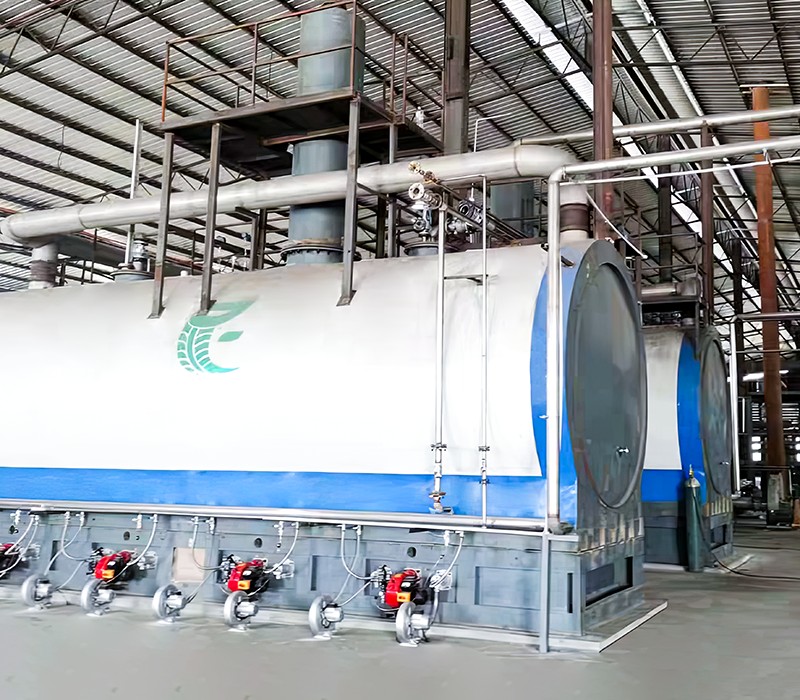
Efficient heat transfer throughout the reactor is essential. Using internal baffles, rotating reactors, or well-designed burners ensures uniform heating and prevents hotspots, which can degrade product quality and lower efficiency.
Proper handling of pyrolysis gas and byproducts improves overall plant efficiency. Recycling combustible gases to fuel the reactor reduces external energy consumption and lowers operational costs.
Continuous pyrolysis plants often capture and clean pyrolysis gases, then use them to heat the reactor or preheat feedstock. This self-sustaining energy loop improves thermal efficiency and reduces the need for external fuel sources.
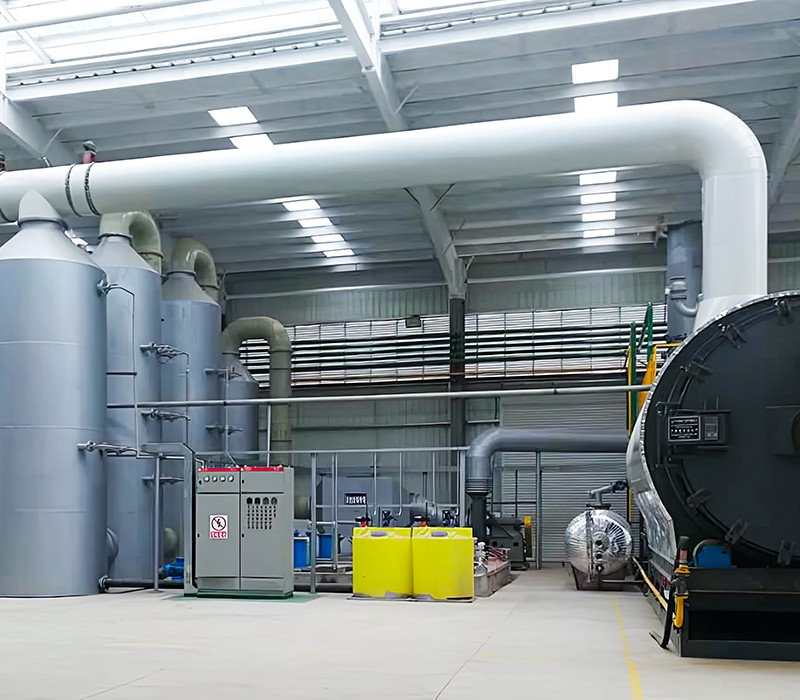
Efficient condensation systems capture pyrolysis oil and prevent vapor loss. Proper cooling and separation of oil, gas, and carbon black maximize product recovery and reduce energy consumption required for waste handling.
Regular maintenance and optimized operational practices prevent downtime and maintain consistent efficiency.
Routine inspections of the reactor, feed system, and condensation units reduce the risk of mechanical failure. Replacing worn parts and cleaning residue buildup ensures stable and efficient operation over the long term.
Automated control systems monitor temperature, pressure, and feed rate in real time. This reduces human error, maintains optimal operating conditions, and allows rapid adjustments to changes in feedstock or load.
Energy consumption is a major factor in operating costs. Optimizing energy use enhances overall plant efficiency.
Continuous improvement of operational parameters can significantly boost efficiency.
Adjusting the feed rate to match the reactor capacity ensures complete pyrolysis. Overloading reduces efficiency, while underloading wastes energy.
Regular sampling of pyrolysis oil, gas, and carbon black ensures the process operates within desired parameters. Deviations can be corrected immediately to maintain consistent output quality and efficiency.
| Method | Efficiency Benefit |
| Feedstock Preprocessing | Improves heat transfer and conversion rate |
| Temperature Control | Ensures complete pyrolysis and product consistency |
| Gas and Byproduct Management | Reduces external energy use and increases yield |
| Regular Maintenance | Prevents downtime and maintains operational stability |
| Automation & Monitoring | Maintains optimal operating conditions with minimal human error |
| Energy Efficiency Measures | Reduces fuel consumption and heat loss |
Improving the operating efficiency of a continuous pyrolysis plant requires a comprehensive approach involving feedstock preparation, temperature and reactor control, byproduct management, preventive maintenance, automation, and energy optimization. By implementing these strategies, plant operators can achieve higher productivity, lower operating costs, and consistent product quality, while also reducing environmental impact and enhancing overall system sustainability.






Let's Pyrolysis!


 +44 7529 150720
  [email protected]
  300 meters east of the South Railway Station in Shangqiu City, Henan Province
  Global Waste-to-Energy Solutions Waste Resource Utilization Equipment Manufacturer

 Profit Calculator
 English
 русский
 Français
 Español
 عربى
عربى