
 5 minutes
Content
A tire pyrolysis plant is an industrial facility that converts end-of-life rubber tires into valuable recovered materials through a thermochemical process called pyrolysis. The core principle is straightforward: waste tires are heated to high temperatures — typically between 300°C and 700°C — inside a sealed, oxygen-free reactor. Without oxygen present, combustion cannot occur. Instead, the complex polymer chains in rubber undergo thermal cracking, breaking down into shorter hydrocarbon molecules that are collected as fuel oil, carbon black, steel wire, and combustible gas.
The scale of the global waste tire problem makes this technology increasingly critical. An estimated 1 billion scrap tires are generated worldwide every year, weighing approximately 17 million tonnes. Conventional disposal routes — landfilling and stockpiling — are being restricted or banned outright in many jurisdictions due to fire risk, groundwater contamination, and the sheer volume of non-biodegradable material involved. Tire pyrolysis addresses this challenge directly, converting a persistent waste stream into a set of marketable commodities while reducing the environmental liability of tire disposal.
A complete tire pyrolysis plant follows a well-defined sequence of stages, each of which determines the quality and quantity of the final products.
Whole tires or pre-shredded tire chips are prepared for feeding into the reactor. In continuous pyrolysis systems, tires are typically shredded to a particle size of 50–100 mm before processing, as smaller feedstock improves heat transfer efficiency and enables uninterrupted material flow. Batch systems can often accept whole tires or larger pieces directly, depending on reactor design. Steel wire and fiber reinforcement may be partially removed before processing or separated downstream after pyrolysis.
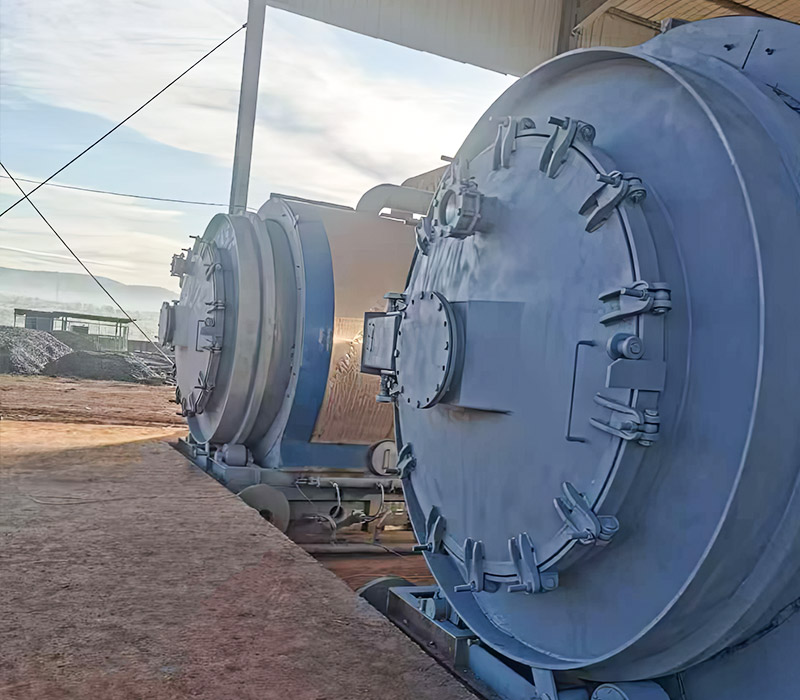
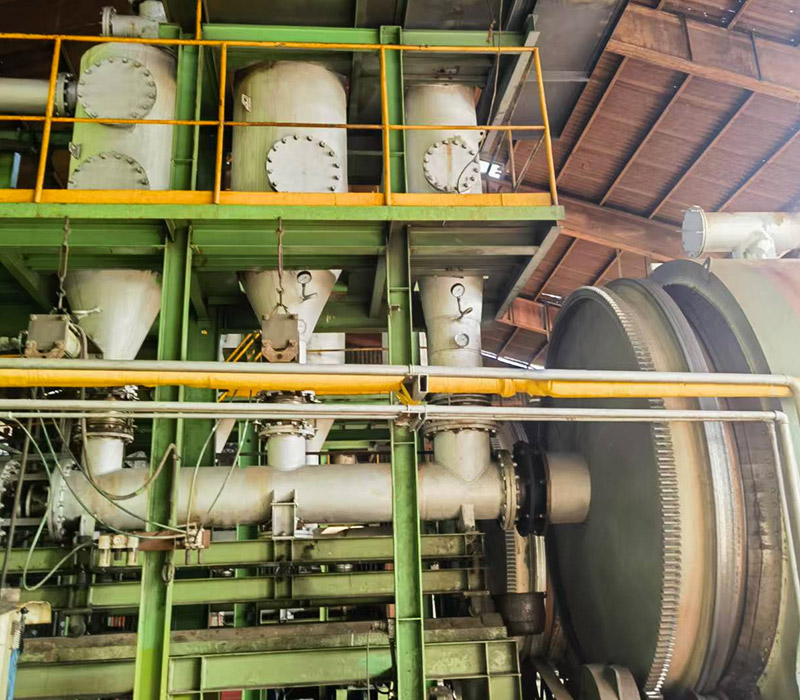
Prepared tire material enters the sealed pyrolysis reactor, where external heat is applied — typically via gas burners that are initially fired by diesel or LPG, then self-sustained by the combustible gas generated during pyrolysis itself. As the reactor temperature rises through 180°C to 280°C, lighter volatile compounds begin to vaporize. The primary cracking reaction intensifies between 350°C and 500°C, at which point the bulk of the rubber's hydrocarbon content is converted into oil gas that exits the reactor continuously.
Hot pyrolysis gas leaving the reactor passes through a manifold system that separates heavier fractions from lighter ones. The condensable fraction enters a multi-stage condenser system where it is rapidly cooled and liquefied into pyrolysis oil, which is collected in storage tanks. Non-condensable light gases — primarily hydrogen, methane, and carbon monoxide — are recycled back to the burner system as fuel, eliminating the need for external energy input once the plant is operating at steady state.
Once oil gas production is complete and the reactor temperature falls, the solid residue — a mixture of carbon black and steel wire — remains in the reactor chamber. Carbon black is discharged automatically or manually and conveyed to storage. Steel wire is separated magnetically and collected for recycling. The reactor is then ready for the next batch or continues rotating in continuous operation mode.

The economic case for tire pyrolysis rests on the quality and marketability of its four co-products. A typical output distribution by weight for a well-operated plant is approximately 40–45% fuel oil, 35% carbon black, 10% steel wire, and 10% combustible gas — meaning virtually nothing is wasted.
Tire-derived pyrolysis oil is a complex mixture of hydrocarbons ranging from C5 to C20, with a high calorific value of approximately 43 MJ/kg — comparable to commercial fuel oil. It can be used directly as an industrial fuel in boilers, cement kilns, and steel furnaces, or refined further through distillation into non-standard diesel and gasoline fractions. Pyrolysis oil is typically the primary revenue stream for tire recycling projects due to the consistent demand for alternative industrial fuels and the relatively straightforward logistics of storage and sale.
The solid carbonaceous residue recovered from tire pyrolysis is known as recovered carbon black (rCB). In its raw form it can be used as a fuel supplement or as a reinforcing filler in lower-grade rubber and plastic products. After further processing — grinding, pelletizing, and quality upgrading — rCB can meet specifications for use in tire manufacturing, coatings, and industrial rubber products, commanding significantly higher market prices. Carbon black is an increasingly valued product as sustainability regulations push manufacturers to incorporate recycled content.
The steel reinforcement belts embedded in tires are recovered largely intact after pyrolysis. Residual rubber is burned off during the process, leaving clean steel wire that can be sold directly to scrap metal dealers or steelmaking operations. While steel wire contributes less revenue than oil or carbon black, it adds meaningfully to the overall economics and requires no additional processing.
The non-condensable pyrolysis gas — primarily hydrogen, methane, carbon monoxide, and light hydrocarbons — has a calorific value of up to 33 MJ/m³. In most plant configurations, this gas is recycled directly back into the reactor burner system, making the pyrolysis process largely self-sustaining from an energy standpoint after startup. Surplus gas can also be used for on-site heating, power generation via internal combustion engines or gas turbines, or — in more advanced configurations — further processed as a chemical feedstock.
| Product | Typical Yield | Primary Uses | Value Profile |
|---|---|---|---|
| Pyrolysis Oil | 40–45% | Industrial fuel, diesel refining | High – primary revenue stream |
| Carbon Black | ~35% | Rubber, coatings, tires (after upgrading) | Medium–High – increases with processing |
| Steel Wire | ~10% | Scrap metal, steelmaking | Low–Medium – stable scrap pricing |
| Combustible Gas | ~10% | Self-fuel for reactor, power generation | Indirect – reduces operating costs |
The most consequential decision in tire pyrolysis plant selection is the choice between batch and continuous operation. Each configuration suits a different investment profile, scale of operation, and level of automation.
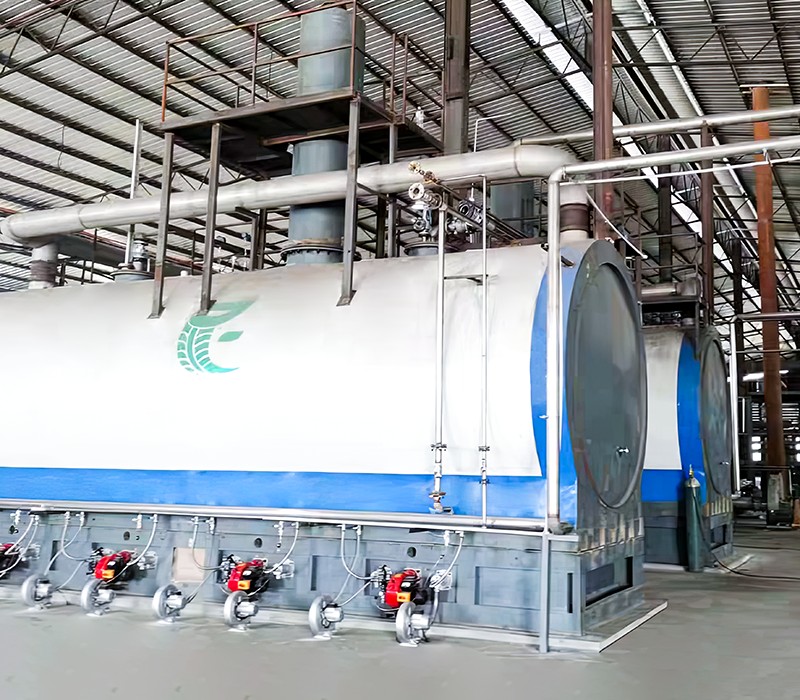
A batch pyrolysis plant loads a fixed quantity of tire material, seals the reactor, completes the pyrolysis cycle — typically 8 to 10 hours — and then cools before discharging solid residues and reloading. This design is operationally flexible and requires lower upfront capital investment, making it well suited to small and medium-scale projects processing 1 to 20 tonnes per day. It is also easier to maintain and repair, with simpler mechanical systems and fewer moving parts. The trade-off is that cooling and reloading time reduces overall throughput and labor efficiency compared to continuous operation.
A continuous pyrolysis plant feeds tire material and discharges solid products simultaneously while the reactor operates around the clock without stopping. This enables significantly higher throughput — typically 20 to 50 tonnes per day — with lower labor cost per tonne of output, higher fuel efficiency due to syngas self-recycling, and more consistent product quality as process conditions remain stable. Continuous systems require a higher initial investment and more sophisticated control infrastructure, but for projects at commercial scale, the operational economics are substantially superior.
| Factor | Batch Plant | Continuous Plant |
|---|---|---|
| Daily Capacity | 1–20 tonnes/day | 20–50 tonnes/day |
| Operation Mode | Cyclic (load, process, cool, discharge) | 24/7 uninterrupted |
| Automation Level | Semi-automatic | Fully automated (PLC/DCS) |
| Capital Investment | Lower | Higher |
| Labor Cost per Tonne | Higher | Lower |
| Energy Efficiency | Moderate | High (syngas self-recycling) |
| Best For | Small-medium projects, flexible feedstock | Large commercial-scale operations |
One of the strongest arguments for tire pyrolysis over conventional disposal is its environmental profile. Because the reaction takes place in an oxygen-deficient sealed environment, the open-flame combustion that produces dioxins, furans, and large volumes of particulate matter in incineration cannot occur. The gases produced are captured and either recycled as fuel or treated through multi-stage scrubbing and activated carbon filtration systems before any discharge, ensuring compliance with international air quality standards.
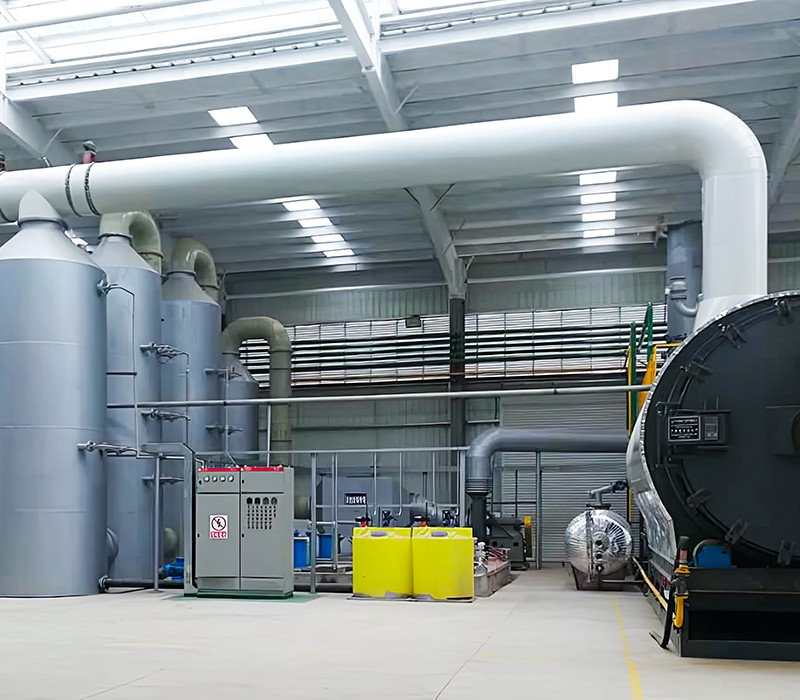
Modern tire pyrolysis plants incorporate several layers of environmental protection: two-phase scrubbers and desulfurization units to remove sulfur-containing compounds, water-seal anti-flashback systems to prevent combustible gas from returning to the oil tank, and dust removal systems for carbon black handling. Well-designed plants produce no wastewater discharge and meet CE and ISO 14001 environmental management standards.
From a lifecycle perspective, tire pyrolysis also reduces the carbon intensity of the products it creates. Recovered pyrolysis oil displaces virgin petroleum-derived fuels; recovered carbon black displaces virgin carbon black, whose production is highly energy-intensive; and recovered steel wire displaces primary steel production. Each of these substitutions carries a measurable CO₂ reduction benefit, a factor that is increasingly relevant to customers seeking to meet scope 3 emissions targets and ESG commitments.
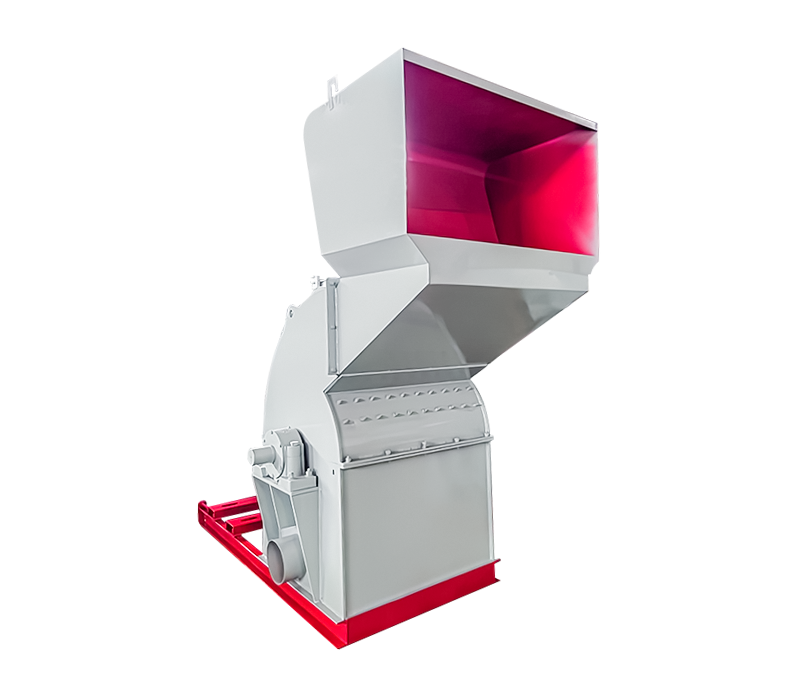
A commercially viable tire pyrolysis operation is more than a single reactor. The complete production line integrates several interconnected equipment systems, each of which affects overall plant efficiency, product quality, and profitability.
Feedstock preparation begins with a tyre shredder, which reduces whole scrap tires to uniform chips of 50–100 mm suitable for continuous reactor feeding. Shredding also enables partial removal of steel wire before pyrolysis, improving the purity of the carbon black output and reducing wear on reactor internals. High-performance shredders integrate magnetic separation and multi-stage size reduction to process full steel, semi-steel, and radial tires with consistent throughput.
Downstream of the reactor, the quality — and therefore the market value — of pyrolysis oil depends heavily on the condensation and separation system. Raw tire pyrolysis oil contains a broad distillation range and may include heavy fractions, water, and sulfur compounds that limit its direct application. Processing the oil through waste oil distillation equipment separates it into distinct fuel fractions — non-standard diesel, naphtha, and residual heavy oil — each with a defined specification and broader market access. Distillation upgrades typically increase the net realized value of the oil fraction by a significant margin, often justifying the additional capital cost within a short payback period.
Recovered carbon black processing equipment completes the value chain on the solid side, grinding and classifying rCB to meet particle size specifications for rubber compounding and industrial filler applications — markets that pay substantially more than simple combustion fuel uses for carbon black.
A tire pyrolysis plant represents a technically mature, commercially proven, and environmentally sound solution to one of the world's most persistent waste management challenges. By converting scrap tires into pyrolysis oil, carbon black, steel wire, and combustible gas, it transforms a liability into a revenue-generating asset while meeting increasingly stringent environmental regulations. The choice between batch and continuous configurations depends on processing scale, capital availability, and automation requirements — and the value of the output products can be substantially enhanced through integrated shredding and oil distillation equipment.
Whether you are evaluating your first pyrolysis project or scaling an existing operation, selecting the right plant configuration and equipment partner is the most important decision you will make. Our engineering team is available to assess your feedstock, capacity requirements, and local market conditions to recommend the optimal solution.






Let's Pyrolysis!


 +44 7529 150720
  [email protected]
  300 meters east of the South Railway Station in Shangqiu City, Henan Province
  Global Waste-to-Energy Solutions Waste Resource Utilization Equipment Manufacturer

 Profit Calculator
 English
 русский
 Français
 Español
 عربى
عربى