
 5 minutes
A batch pyrolysis plant is a specialized industrial system designed to convert waste materials, such as used tires, plastics, and biomass, into valuable energy resources like fuel oil, carbon black, and steel wire through thermal decomposition in an oxygen-free environment. Unlike continuous systems, batch plants operate in distinct cycles: loading, heating, reacting, cooling, and discharging. This operational model makes them particularly suitable for small to medium-scale investors who require lower initial capital expenditure and flexible feedstock handling. The core value proposition lies in its ability to transform environmental liabilities into profitable commodities, offering a tangible solution to the global waste management crisis while generating significant revenue streams.
For entrepreneurs and industrial operators, understanding the efficiency, safety protocols, and output quality of a batch pyrolysis plant is crucial. Modern designs have evolved to address earlier concerns regarding pollution and energy consumption, incorporating advanced condensing systems and emission control technologies. A well-operated batch plant can achieve a fuel oil yield of 40-45% from waste tires and up to 90% from certain plastics, making it a highly efficient conversion technology when managed correctly.
Content
The operation of a batch pyrolysis plant follows a strict sequential process. Each stage must be carefully monitored to ensure safety and maximize product quality. The entire cycle typically takes between 10 to 12 hours, depending on the feedstock type and reactor size.
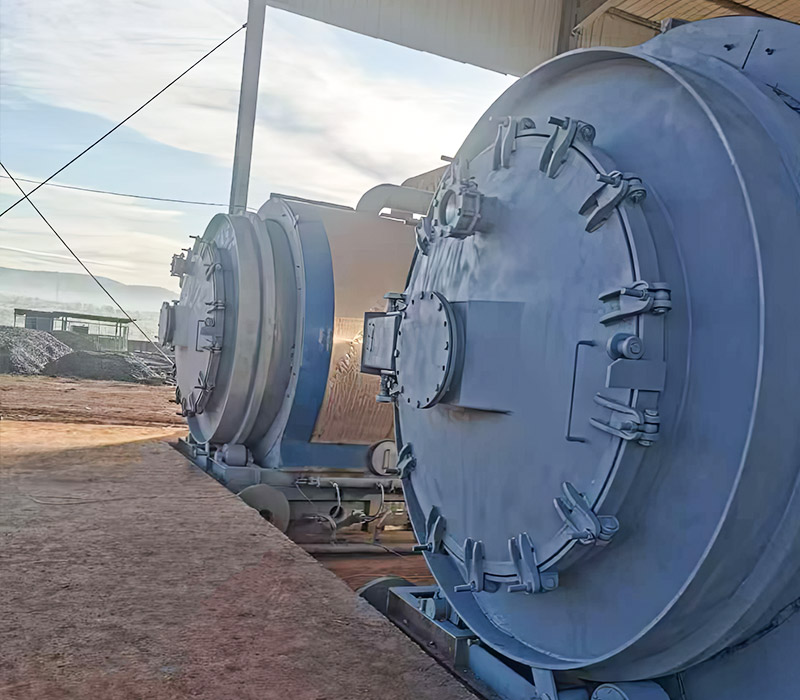
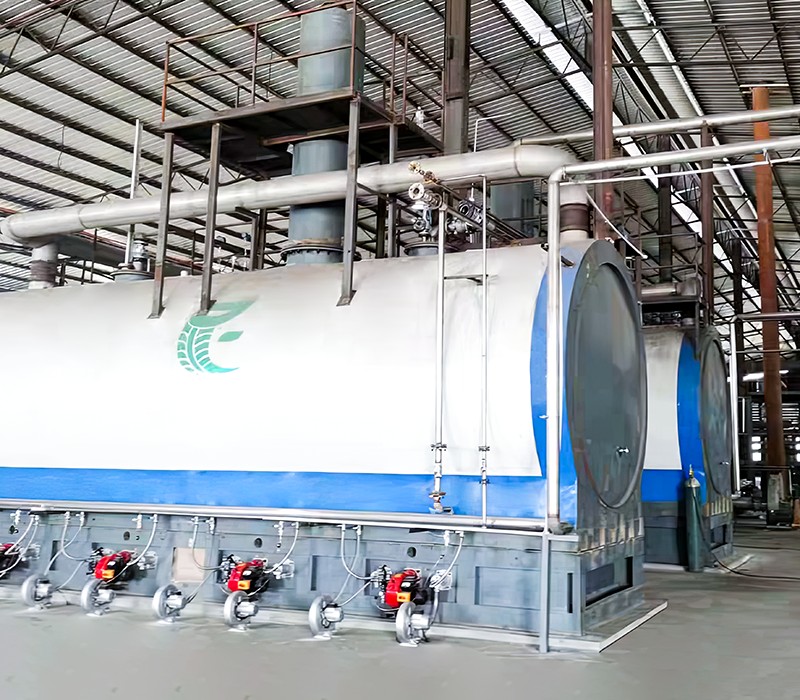
The process begins with loading the raw material into the horizontal or vertical reactor. Once sealed, the heating system—powered by coal, wood, gas, or oil—is ignited. The temperature is gradually raised to approximately 250°C, at which point the thermal decomposition begins. It is critical to maintain an oxygen-free environment during this phase to prevent combustion. As the temperature rises to 280-350°C, the long-chain hydrocarbons in the waste break down into shorter chains, releasing oil gas.
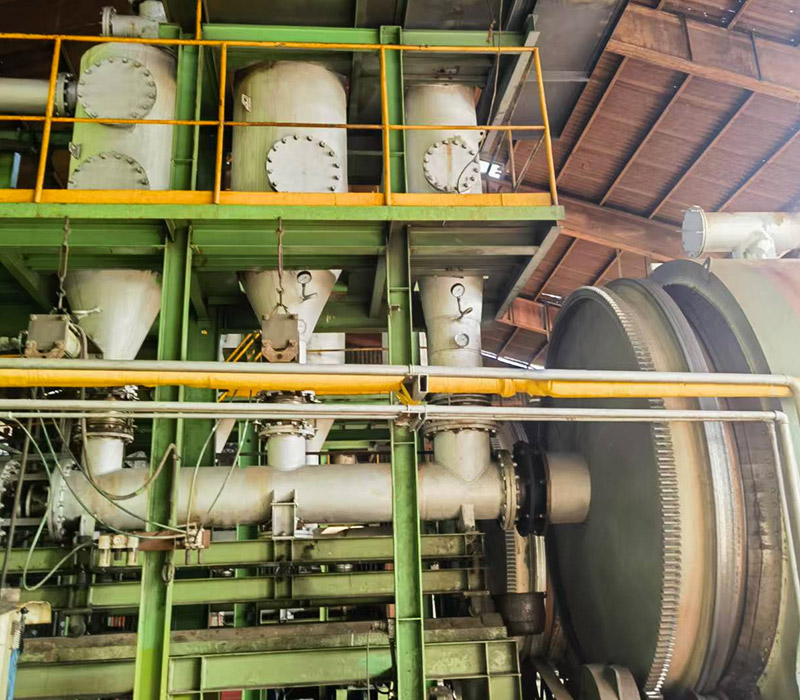
The oil gas travels through a manifold and into the condensing system, where it is cooled by circulating water. The gas liquefies into crude pyrolysis oil and flows into storage tanks. Non-condensable gases, primarily methane and ethane, are recycled back into the furnace to fuel the heating process, significantly reducing external fuel consumption after the initial heat-up phase. This self-sustaining feature is a key economic advantage of modern batch pyrolysis plants.
| Feedstock | Fuel Oil (%) | Carbon Black (%) | Steel Wire/Gas (%) |
|---|---|---|---|
| Waste Tires | 40-45% | 30-35% | 10-15% Wire / 10% Gas |
| Waste Plastic (PP/PE) | 80-90% | 5-10% | 5-10% Gas |
| Oil Sludge | 50-70% | 20-30% | 10% Sand/Gas |
Safety is the paramount concern in operating a batch pyrolysis plant due to the high temperatures and flammable gases involved. Modern plants are equipped with multiple safety devices to prevent accidents and ensure compliance with environmental regulations.
The reactor is fitted with pressure gauges and thermometers to monitor internal conditions in real-time. Safety valves are installed to release excess pressure automatically if it exceeds safe limits, preventing explosion risks. Additionally, an alarm system alerts operators to abnormal temperature spikes, allowing for immediate intervention. The use of argon arc welding in reactor construction ensures structural integrity under thermal stress.
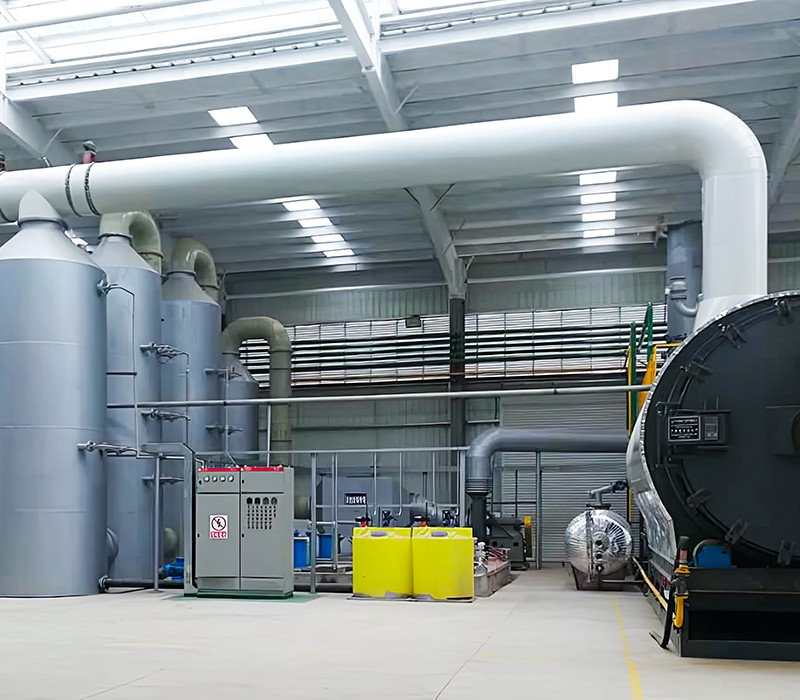
To meet environmental standards, batch pyrolysis plants incorporate multi-stage exhaust treatment systems. These typically include water scrubbers, ceramic ring filters, and activated carbon adsorption units to remove sulfur, dust, and odor from the flue gas. The final emissions are often cleaner than national standards, making the plant acceptable for operation in industrial zones. Proper disposal of the cooling water and solid residues is also integral to the plant's environmental footprint.
The profitability of a batch pyrolysis plant depends on several factors, including feedstock cost, local fuel prices, and the market value of the end products. Since the process recycles its own non-condensable gas for heating, the primary operational costs are electricity, labor, and water.
In conclusion, a batch pyrolysis plant offers a robust, economically viable solution for waste recycling. By prioritizing safety, environmental compliance, and regular maintenance, operators can transform waste into wealth while contributing to a sustainable circular economy.







Let's Pyrolysis!


 +44 7529 150720
  [email protected]
  300 meters east of the South Railway Station in Shangqiu City, Henan Province
  Global Waste-to-Energy Solutions Waste Resource Utilization Equipment Manufacturer

 Profit Calculator
 English
 русский
 Français
 Español
 عربى
عربى