
 5 minutes
Content
The world generates more than 400 million metric tons of plastic every year, yet less than 10% of it is ever recycled. The vast majority ends up in landfills, waterways, and oceans — where it can persist for centuries. Against this backdrop, waste plastic pyrolysis plants have emerged as one of the most commercially viable solutions for converting non-recyclable plastic into valuable fuel products, reducing environmental harm while generating measurable returns for operators.
Industry analysts project that the chemical recycling market, led largely by pyrolysis technology, is set to grow by more than 25% over the next decade. Governments in the EU, Asia-Pacific, and North America are tightening regulations on landfilling and incineration, while simultaneously introducing incentives for chemical recycling infrastructure. As a result, demand for industrial-scale waste plastic pyrolysis plants is accelerating rapidly across all major markets.
Unlike mechanical recycling, which degrades plastic quality with every cycle, pyrolysis chemically breaks down polymers into their base hydrocarbons — making it particularly effective for mixed, contaminated, and low-value plastics that would otherwise have no recycling pathway.
A waste plastic pyrolysis plant converts plastic waste into fuel through a thermochemical process conducted in a sealed, oxygen-free reactor. The absence of oxygen is critical — it prevents combustion and instead drives thermal decomposition of the polymer chains into smaller hydrocarbon molecules.
The process follows a defined sequence:
Modern plants also incorporate waste heat recovery systems that capture flue gas heat, further improving overall energy efficiency and reducing operating costs.
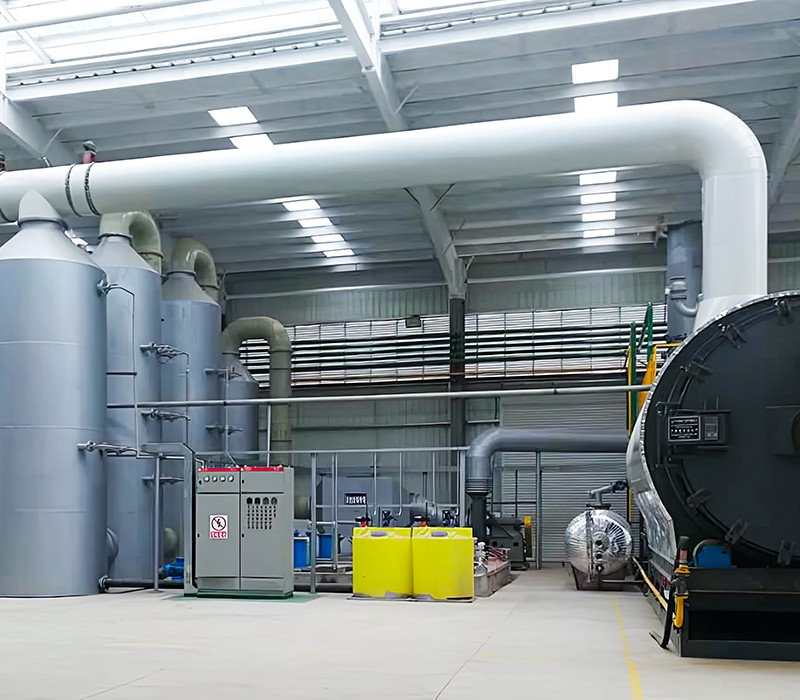
One of the primary advantages of a waste plastic pyrolysis plant is that it produces multiple marketable outputs simultaneously, improving overall project economics.
Pyrolysis oil is the main product, typically representing 40–90% of the output volume depending on the feedstock type. Polyethylene (PE) and polypropylene (PP) feedstocks deliver the highest oil yields. The oil can be used directly as industrial fuel or further refined into diesel-equivalent fuel using a waste oil distillation system. At current market rates, operators processing 6,000 tons of PE plastic per year at 90% oil yield can expect annual revenues exceeding $2.9 million from oil sales alone.
Carbon black accounts for approximately 30–35% of the output from tire-based pyrolysis, and a lower but still significant share from plastic feedstocks. After further processing, it can be used as a reinforcing agent in rubber products, a pigment in inks and coatings, or as a solid fuel in industrial boilers.
Combustible gas (syngas) is generated throughout the pyrolysis process. In well-designed plants, this gas is recovered and routed back to heat the reactor, effectively eliminating the need for external fuel during steady-state operation. Any surplus can be used for on-site electricity generation or process heating.
Choosing between a batch and a continuous pyrolysis plant is one of the most important decisions for any operator entering this market. The right choice depends on your processing capacity, investment budget, labor situation, and feedstock consistency.
| Factor | Batch Pyrolysis Plant | Continuous Pyrolysis Plant |
|---|---|---|
| Daily capacity | 1–20 tons/day | 20–50+ tons/day |
| Operation mode | Cycle-based (load → heat → cool → discharge) | Fully automated 24/7 operation |
| Initial investment | Lower | Higher |
| Labor requirement | Higher (manual cycle management) | Lower (automated control) |
| Feedstock flexibility | High (handles varied feeds) | Best with consistent feedstock |
| Ideal for | Small to medium-scale operators, market entry | Industrial-scale recycling facilities |
Batch plants are widely favored by operators who are entering the market for the first time or working with heterogeneous feedstocks collected from multiple waste streams. They offer lower capital expenditure and greater operational flexibility. Continuous plants, on the other hand, are engineered for maximum throughput and minimum per-unit operating cost — making them the preferred choice for large recycling operations with stable, high-volume feedstock supply.
A well-engineered waste plastic pyrolysis plant operates with a significantly lower environmental footprint than conventional incineration. Because pyrolysis occurs in an oxygen-free environment, it does not generate dioxins or furans — the toxic byproducts most commonly associated with open burning or poorly controlled incineration. This makes pyrolysis fundamentally more compatible with modern emissions regulations in markets such as the EU, where environmental compliance is a prerequisite for permitting.
Key environmental control systems found in compliant pyrolysis plants include:
As cities and industrial zones increasingly adopt pyrolysis for urban waste management — processing mixed plastics, rubber, and organic materials into recoverable resources — regulatory frameworks are evolving in parallel to support the technology's role in sustainable urban development. Operators who invest in certified, emissions-compliant equipment from the outset are best positioned to scale their operations as policy incentives expand.
With a growing number of equipment manufacturers competing in this space, evaluating suppliers carefully before committing capital is essential. The following criteria consistently distinguish high-performing suppliers from those whose equipment underdelivers in real-world conditions.
Certifications and compliance track record. Look for suppliers whose equipment carries internationally recognized certifications such as CE, ISO 9001, and ISO 14001. These confirm that the plant design meets defined safety, quality, and environmental management standards — and that compliance has been independently verified.
Technology patents and proprietary processes. Suppliers with patented technologies (such as catalytic dewaxing systems, oil-gas anti-polymerization condensation, or hot flue gas recycling) have typically invested in solving the real operational problems that generic equipment cannot address — wax blockages, pipeline fouling, inconsistent oil quality, and excessive fuel consumption.
Demonstrated operational references. Request verified case studies and, where possible, site visits to operating installations. A supplier with a portfolio of documented projects across multiple countries and feedstock types presents substantially lower delivery risk than one offering specifications alone.
After-sales support and spare parts availability. Pyrolysis plants operate continuously under high-temperature conditions. Access to responsive technical support, remote diagnostics, and a reliable spare parts supply chain directly affects plant uptime and long-term profitability.
Customization capability. Different feedstocks, capacities, and local regulatory environments require different plant configurations. A credible supplier should be able to tailor reactor size, feeding systems, and emissions control packages to your specific operating context — rather than offering a one-size-fits-all solution.


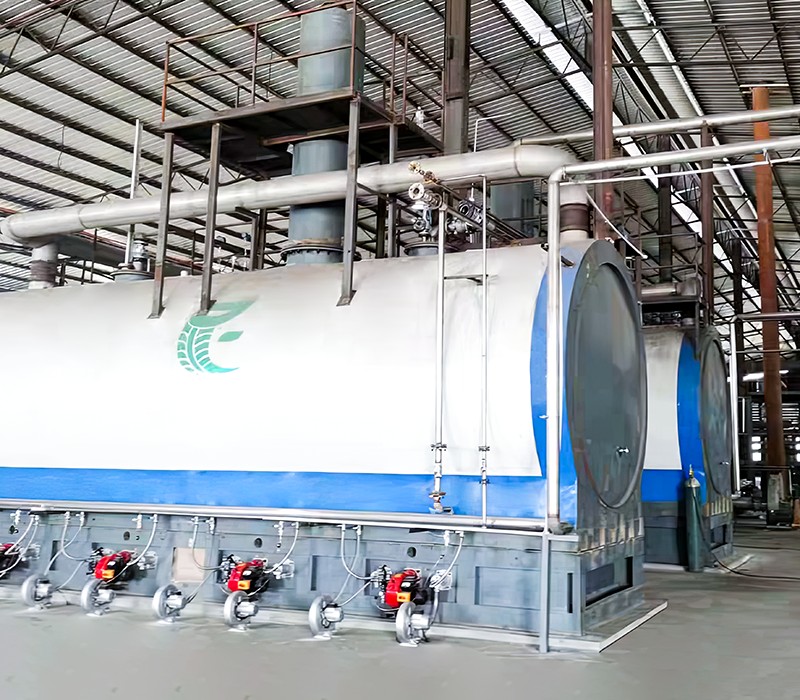


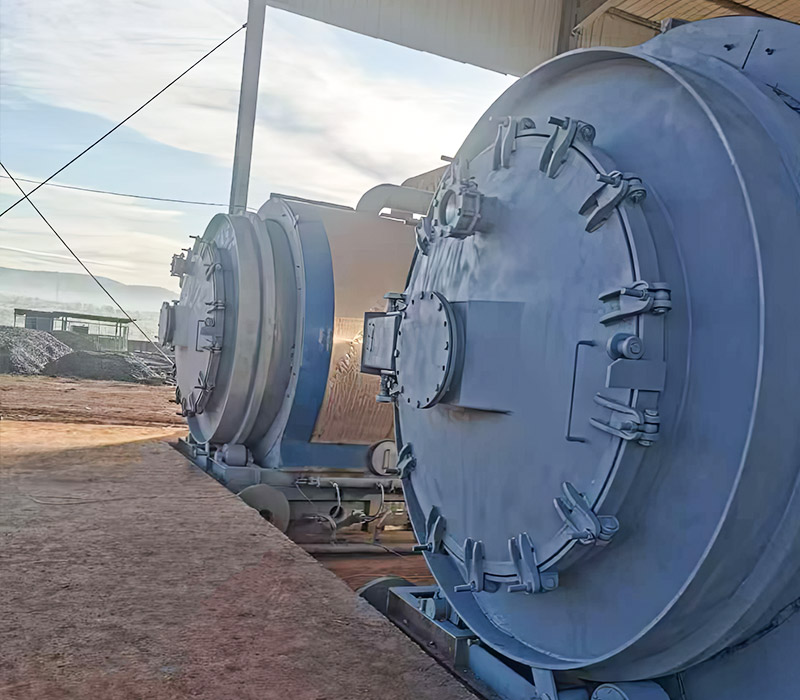
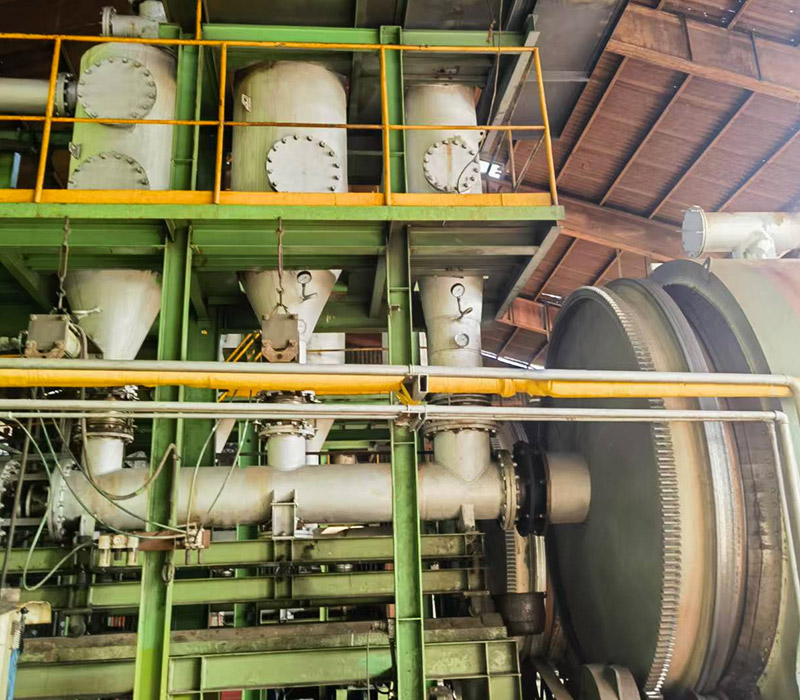



Let's Pyrolysis!


 +44 7529 150720
  [email protected]
  300 meters east of the South Railway Station in Shangqiu City, Henan Province
  Global Waste-to-Energy Solutions Waste Resource Utilization Equipment Manufacturer

 Profit Calculator
 English
 русский
 Français
 Español
 عربى
عربى