
 8 minutes
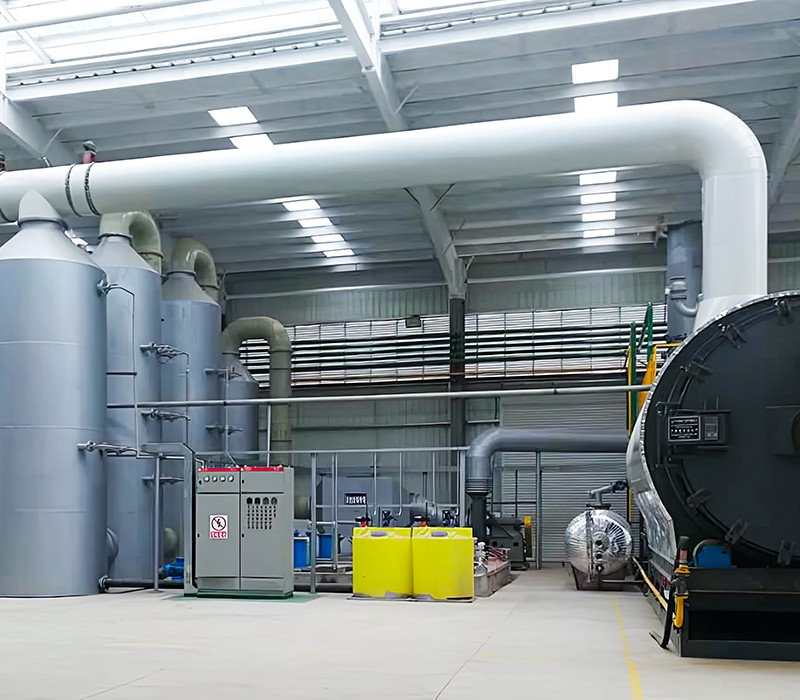
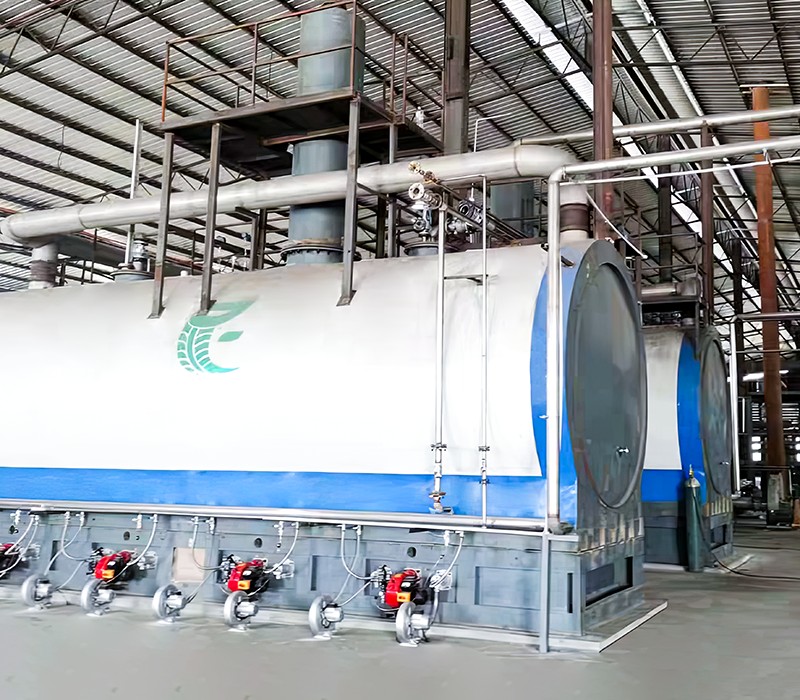
With the growing global demand for resource recycling and environmental protection, the importance of pyrolysis technology in waste treatment and energy recovery is becoming increasingly apparent. As a technology that can convert waste into energy and high value-added products, the pyrolysis industry has broad development prospects in the future.
Whether it is technological innovation, policy support, or increased market demand, they are all driving the continuous progress of the pyrolysis industry. This article will explore the future development trends of the pyrolysis industry and analyze its application potential and opportunities in environmental protection, energy, technology and other aspects.
Trend 1: Accelerated application of intelligent and automated technologies
With the development of the Internet of Things, big data and artificial intelligence technologies, the pyrolysis industry will gradually introduce more intelligent and automated management systems. Intelligent systems can monitor and adjust key parameters such as temperature, pressure, reaction time, etc. of the pyrolysis process in real time, making the pyrolysis process more accurate and efficient. The application of automated equipment can not only reduce labor costs, but also improve the safety and reliability of the production process. In the future, pyrolysis equipment will be more intelligent, able to self-regulate, optimize operations, and even warn before failures occur, greatly improving overall production efficiency.
Trend 2: Development of catalytic pyrolysis technology
Traditional pyrolysis technology has high requirements for temperature and time, while the introduction of catalytic pyrolysis technology can reduce the reaction temperature and shorten the reaction time, thereby improving energy efficiency. By adding specific catalysts, catalytic pyrolysis can effectively accelerate the reaction process and improve the quality and yield of the product. In the future, with the development of new catalytic materials, catalytic pyrolysis technology is expected to play a greater role in the treatment of difficult wastes such as plastics and waste rubber, and achieve more efficient waste resource utilization.
Trend 3: Diversified waste treatment capabilities
With the diversification of waste types and the complexity of components, the pyrolysis industry is gradually developing in a multifunctional direction. In the future, pyrolysis technology will not only be limited to the treatment of traditional organic wastes, such as waste plastics and rubber, but will also be expanded to more types of wastes, such as electronic waste, oil sludge, agricultural and forestry waste, etc. Multifunctional pyrolysis equipment will be able to handle more diverse types of waste and provide more solutions for resource recycling.
Trend 4: Strengthening of low-carbon and environmental protection technologies
In the context of global response to climate change, low-carbon and environmental protection have become the common goals of various industries. As a clean way of waste treatment, pyrolysis technology will play an important role in reducing carbon emissions and reducing pollution emissions in the future. By optimizing the process, reducing energy consumption and increasing the output rate, the future pyrolysis process will be more environmentally friendly and can achieve lower carbon emissions. In addition, the purification and reuse technology of waste gas will continue to be improved to reduce the emission of harmful gases and further enhance the environmental benefits of the pyrolysis industry.
Trend 5: Product refinement and high value
With the development of pyrolysis technology, the pyrolysis products in the future will not only be crude fuel oil or gas, but also fine chemicals and materials with higher added value.
For example, by finely controlling the reaction conditions, pyrolysis can produce specific types of oil products, carbon black and even biomass materials. These high value-added products can be used in a variety of industries such as chemicals, materials, and agriculture to achieve higher economic benefits. The refinement and high value of this product will drive pyrolysis technology to a more professional direction.
Trend 6: Policy and regulatory support
In order to promote sustainable development, governments have introduced policies and regulations to support the resource utilization of waste, which also provides broad space for the development of the pyrolysis industry. For example, in response to plastic pollution, waste tires and other issues, some countries and regions have introduced mandatory recycling policies, providing a clear market demand for pyrolysis technology. At the same time, the government also encourages enterprises to invest in the research and development and application of pyrolysis technology through subsidies, tax exemptions and other means. In the future, under the guidance of policies, the pyrolysis industry will accelerate its development and make greater contributions to environmental governance and resource recycling.
Trend 7: Combination with other green technologies
Pyrolysis technology will also form a synergistic effect with other environmental protection technologies in the future to achieve comprehensive utilization of waste. For example, combining pyrolysis technology with biomass power generation and gasification technology can improve energy utilization efficiency; combining it with renewable energy such as photovoltaics and wind power can further reduce carbon emissions and achieve clean energy. At the same time, the combination of pyrolysis technology with digital means such as big data and artificial intelligence will also optimize the pyrolysis process and improve resource utilization efficiency.
Trend 8: Increased investment and international cooperation
With the widespread application of pyrolysis technology and the increase in market demand, more and more investors have begun to pay attention to the pyrolysis industry, which has promoted technological innovation and market expansion. At the same time, international cooperation and technical exchanges are also gradually increasing. By introducing advanced pyrolysis equipment and technology, as well as cooperating with other countries in research and development, the pyrolysis industry will accelerate the pace of technological progress and market expansion. International cooperation can also help countries jointly deal with waste disposal issues and promote the realization of global environmental protection goals.
Trend 9: Promotion of the circular economy model
The future development of the pyrolysis industry will also be closely linked to the circular economy. Under the circular economy model, waste is no longer a useless burden, but a usable resource. Pyrolysis technology can effectively convert waste into new raw materials or energy, thereby achieving a "closed loop" in resource utilization. This circular economy model will help the development of the pyrolysis industry and promote the transformation of the way resources are used in the entire society, making the goal of sustainable development closer to reality.
Trend 10: Education and talent training
With the rapid development of pyrolysis technology, the demand for professional and technical personnel is also increasing. Various universities, scientific research institutions and enterprises will increase the training of pyrolysis technical personnel and promote the connection between education and training and industrial needs. By strengthening the cooperation between scientific research and education, more professionals with innovation capabilities and practical operation experience will be cultivated in the future, injecting fresh blood into the development of the pyrolysis industry.
As a promising field of environmental protection and energy technology, the future development trend of the pyrolysis industry lies not only in technological innovation, but also in the promotion of policy support, market demand and social awareness. With the improvement of intelligence, catalytic technology and diversified waste treatment capabilities, the pyrolysis industry will play a more important role in the fields of environmental protection and energy recovery. Through the integration with other green technologies, the deepening of international cooperation and the promotion of the circular economy, the future of the pyrolysis industry will be full of opportunities and provide more solutions for the sustainable utilization of resources and the development of environmental protection.






Let's Pyrolysis!


 +44 7529 150720
  [email protected]
  300 meters east of the South Railway Station in Shangqiu City, Henan Province
  Global Waste-to-Energy Solutions Waste Resource Utilization Equipment Manufacturer

 Profit Calculator
 English
 русский
 Français
 Español
 عربى
عربى