
 3 minutes
1. Addressing Waste Management Challenges
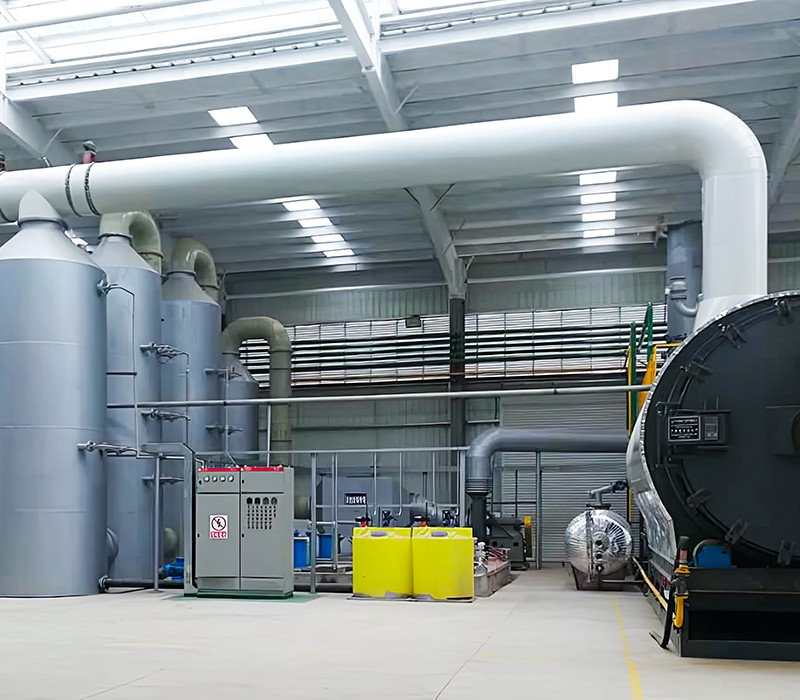
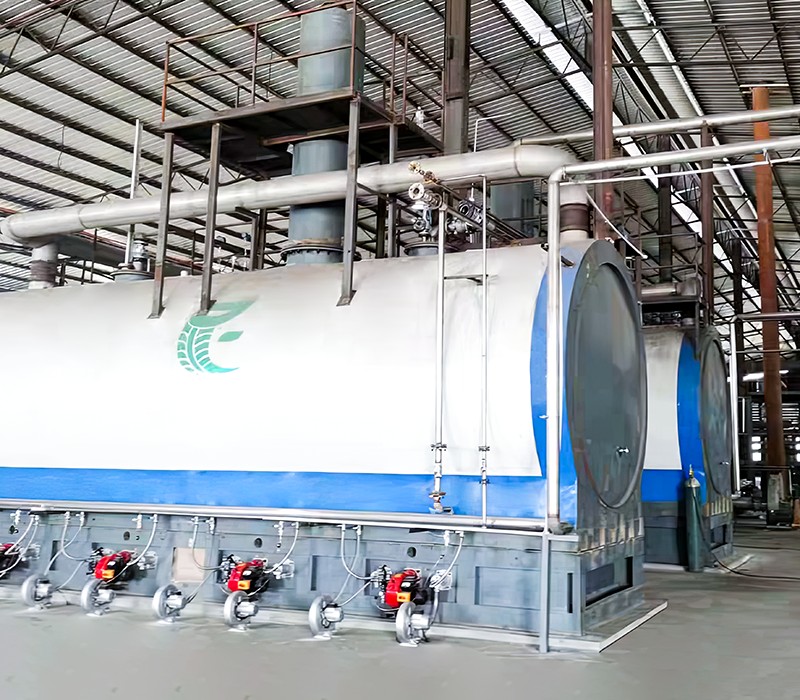
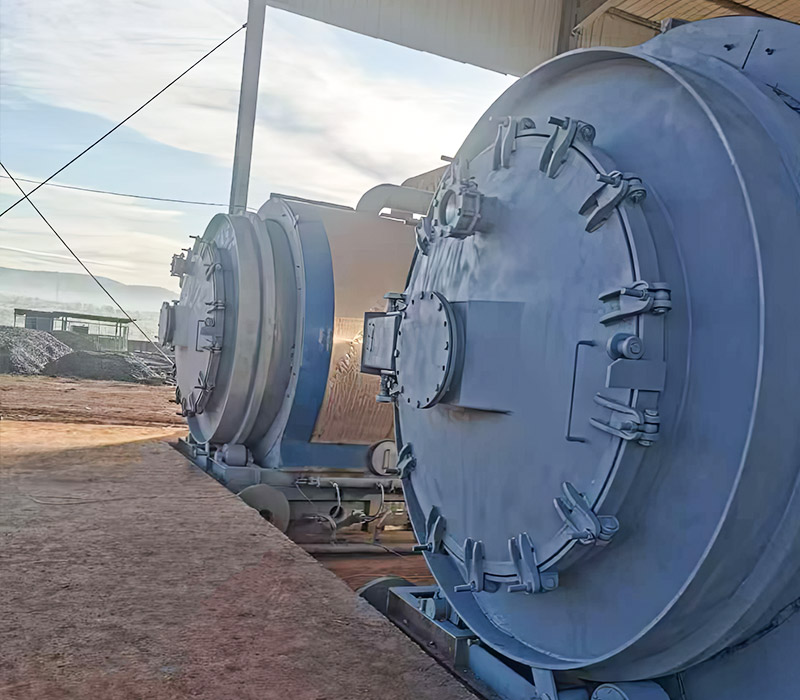
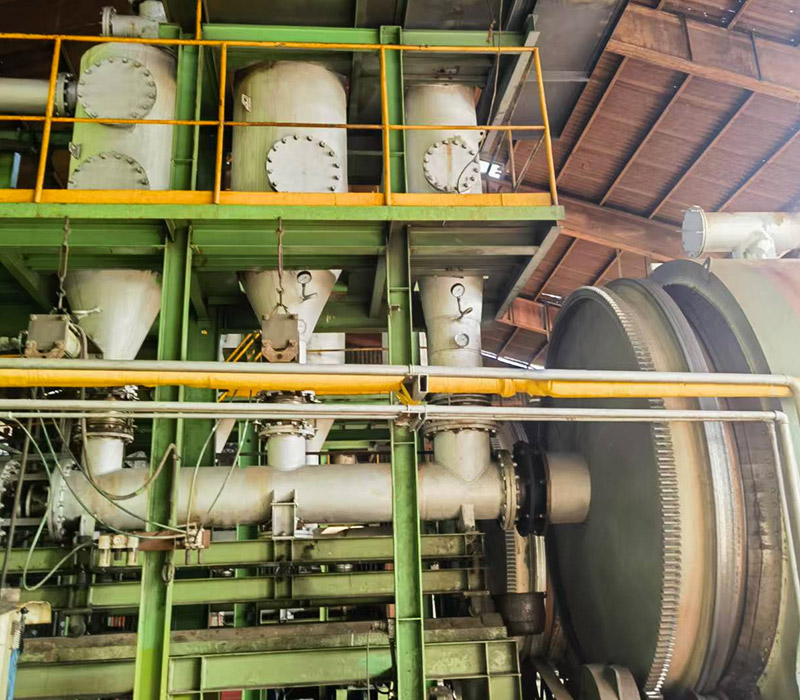
Africa faces significant waste management challenges, particularly in urban areas where growing populations generate increasing amounts of municipal solid waste. Pyrolysis technology offers a sustainable solution by converting waste materials like plastics, tires, and agricultural residues into valuable products such as biochar, bio-oil, and syngas. This not only reduces the volume of waste in landfills but also minimizes environmental pollution caused by improper waste disposal. Implementing pyrolysis systems in African cities can play a critical role in improving waste management infrastructure and promoting a cleaner urban environment.
2. Enhancing Energy Security
Energy access remains a pressing issue in many parts of Africa, especially in rural areas where electricity and fuel supplies are limited. Pyrolysis technology can help address this challenge by providing a decentralized energy source. The syngas produced during the pyrolysis process can be used for power generation, while bio-oil can serve as a substitute for traditional fossil fuels. By utilizing locally available feedstocks, such as agricultural residues, African communities can achieve greater energy independence and reduce their reliance on imported energy sources.
3. Boosting Economic and Environmental Sustainability
The adoption of pyrolysis technology in Africa has the potential to create economic opportunities and enhance environmental sustainability. The production and sale of pyrolysis products can generate income for local businesses and communities. Additionally, biochar, a byproduct of pyrolysis, can be used to improve soil fertility, increasing agricultural productivity and supporting food security. By integrating pyrolysis technology into their waste management and energy systems, African nations can take significant steps toward a circular economy, reducing waste, promoting renewable energy, and fostering sustainable development.






Let's Pyrolysis!


 +44 7529 150720
  [email protected]
  300 meters east of the South Railway Station in Shangqiu City, Henan Province
  Global Waste-to-Energy Solutions Waste Resource Utilization Equipment Manufacturer

 Profit Calculator
 English
 русский
 Français
 Español
 عربى
عربى