
 8 minutes
As a vital method for converting waste into resources, pyrolysis technology has garnered global attention. However, the industry's development is not without challenges. Companies face numerous technical barriers in R&D, manufacturing, and market promotion. This article explores the main technical barriers in the pyrolysis industry and their profound impact on its growth.
1. Barriers in R&D
Core Technology Challenges
The pyrolysis process involves complex thermochemical reactions, requiring precise control over equipment design and operating conditions. Achieving efficient and stable pyrolysis reactions in an oxygen-free environment is a major challenge.
1. Temperature Control: Different raw materials require varying temperature ranges, necessitating highly specialized temperature control systems.
2. Reactor Design: The material, shape, and airflow distribution of the reactor directly affect pyrolysis efficiency and product quality.
Catalyst Development
High-quality catalysts can enhance reaction rates and product quality. However, developing efficient and durable catalysts requires extensive experimentation and financial investment, making it a significant technical barrier in the industry.
2. Barriers in Equipment Manufacturing
Precision Manufacturing Requirements
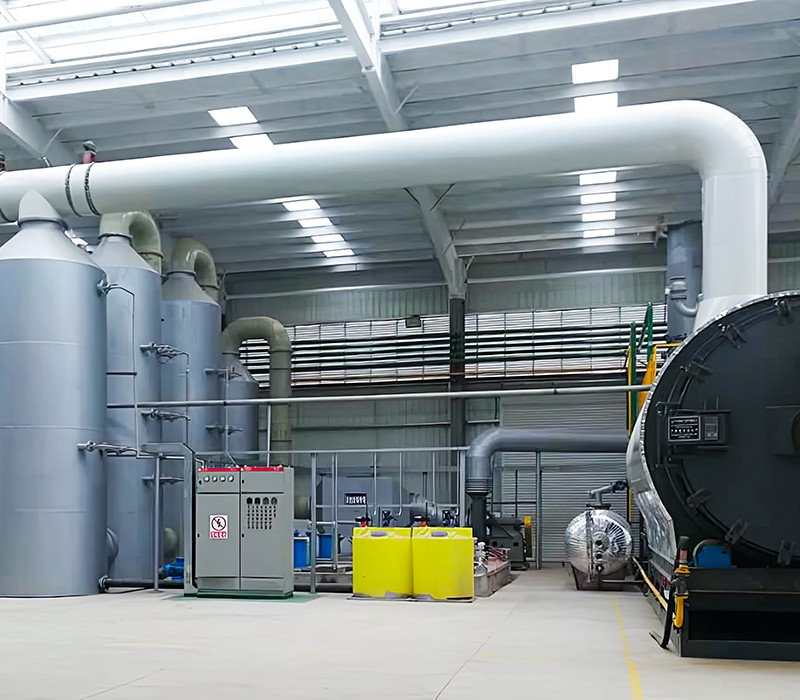
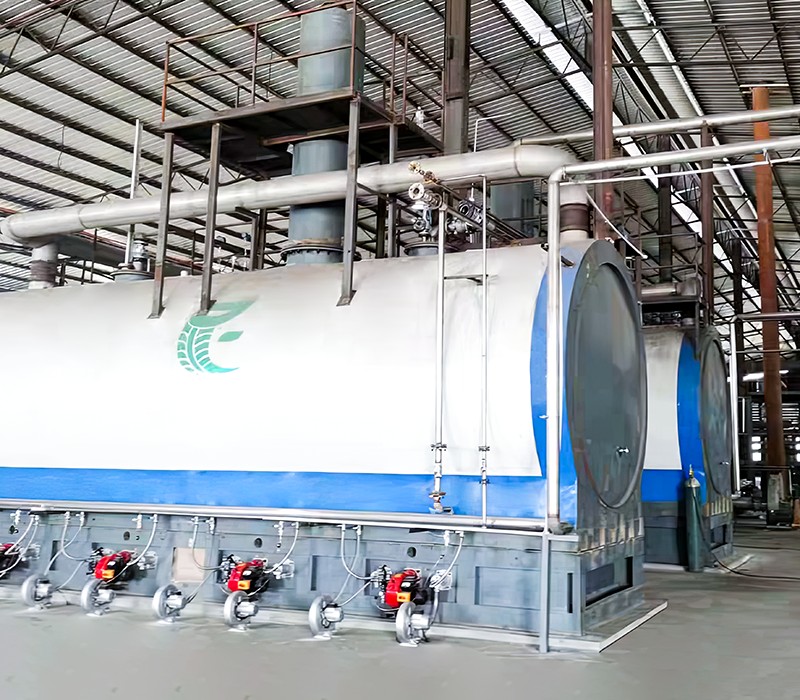
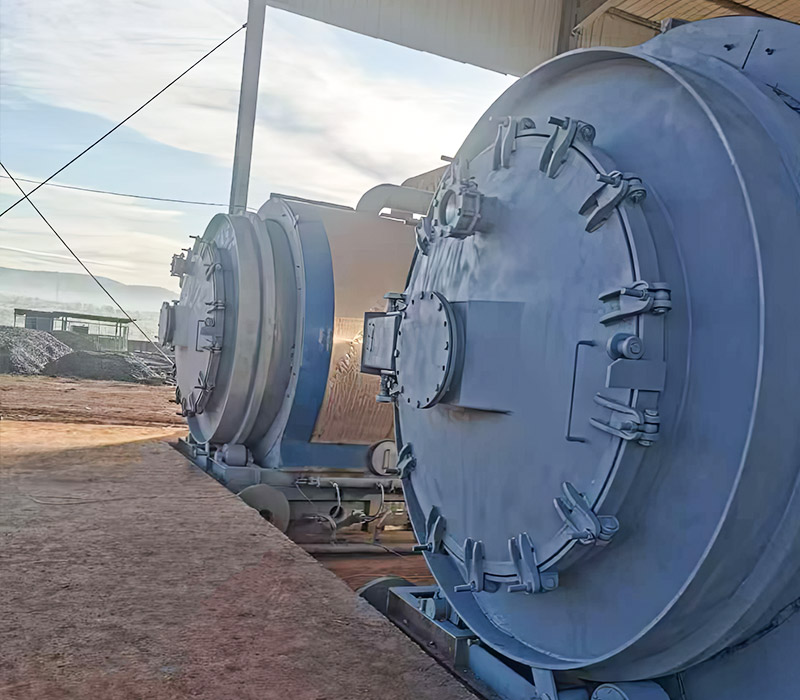
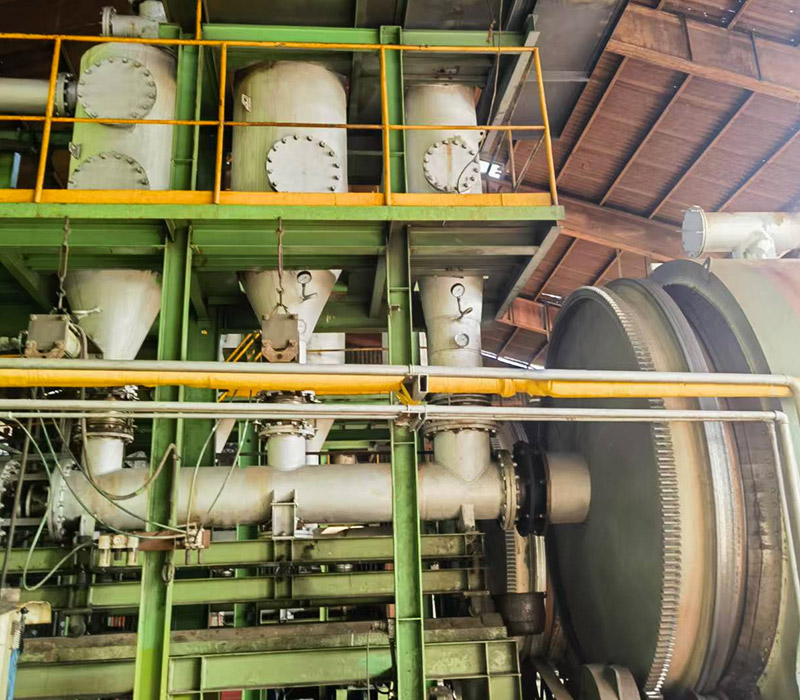
Core components of pyrolysis equipment, such as reactors, condensation systems, and flue gas treatment units, demand high manufacturing precision.
1. Material Selection: Reactors must be resistant to high temperatures and corrosion, directly impacting equipment lifespan.
2. Sealing Performance: Equipment must achieve excellent sealing to prevent harmful gas leakage.
Modular Design
Diverse market demands necessitate modular and customizable equipment, posing challenges for manufacturers in design and production.
3. Barriers in Environmental Protection and Energy Efficiency
Flue Gas Treatment
Pyrolysis processes generate significant amounts of flue gas containing harmful substances like sulfides and volatile organic compounds (VOCs). Efficiently removing these pollutants while minimizing costs is a critical bottleneck for the industry.
Energy Utilization Efficiency
Pyrolysis equipment often requires substantial energy to operate. Optimizing equipment design to reduce energy consumption while utilizing non-condensable gas (syngas) as a fuel source is key to maximizing cost efficiency.
4. Barriers in Market Entry
Technical Standards and Certifications
Different countries and regions have varying technical standards and environmental requirements for pyrolysis equipment. Companies must invest significant resources in technical upgrades and certifications to enter target markets.
Customer Education and Trust Building
Pyrolysis technology is relatively novel, and many potential customers lack knowledge about its performance and benefits. Companies need to invest in long-term marketing and demonstration projects to build customer trust and promote technology adoption.
Conclusion
The technical barriers in the pyrolysis industry are both challenges and opportunities. Companies must continuously overcome bottlenecks in core technology, equipment manufacturing, environmental optimization, and market entry to stand out in the competitive landscape and drive healthy industry growth. With advancements in technology and supportive policies, the pyrolysis industry is poised for greater adoption and expansion globally.






Let's Pyrolysis!


 +44 7529 150720
  [email protected]
  300 meters east of the South Railway Station in Shangqiu City, Henan Province
  Global Waste-to-Energy Solutions Waste Resource Utilization Equipment Manufacturer

 Profit Calculator
 English
 русский
 Français
 Español
 عربى
عربى