
 5 minutes
Pyrolysis technology is an eco-friendly method of breaking down organic waste into valuable by-products such as pyrolysis oil, carbon black, and syngas. However, due to the high temperatures, pressures, and chemical reactions involved, the pyrolysis industry faces numerous potential risks. Effective risk management strategies are essential to ensure safe operations and environmental protection.
1. Major Types of Risks
Fire and Explosion Hazards
Pyrolysis involves high temperatures and flammable substances like pyrolysis oil and gas. Poor system sealing or operational errors could lead to fires or explosions.
Toxic Gas Leaks
Toxic gases such as carbon monoxide and volatile organic compounds (VOCs) may be generated during pyrolysis. Leaks of these gases can endanger workers’ health and pollute the surrounding environment.
Equipment Failures
Pyrolysis equipment operates under extreme conditions, which can lead to wear, corrosion, and unexpected breakdowns, increasing the risk of leaks or downtime.
Environmental Pollution
Improper handling of pyrolysis residues (e.g., carbon black and wastewater) could contaminate soil and water, resulting in broader ecological concerns.
2. Risk Management Strategies
Safe Design and Monitoring
Pyrolysis equipment should be made with high-quality materials and designed to ensure durability and tight sealing. Real-time monitoring systems should be installed to track temperature, pressure, and gas concentrations, allowing early detection of anomalies.
Strict Operational Standards
Detailed operational protocols and regular training programs for staff are crucial to ensure familiarity with safety procedures and emergency responses.
Routine Maintenance and Inspections
Regular maintenance and inspections are key to preventing risks. Replacing worn components and addressing potential faults in time can significantly reduce the likelihood of accidents.
Waste Handling and Environmental Measures
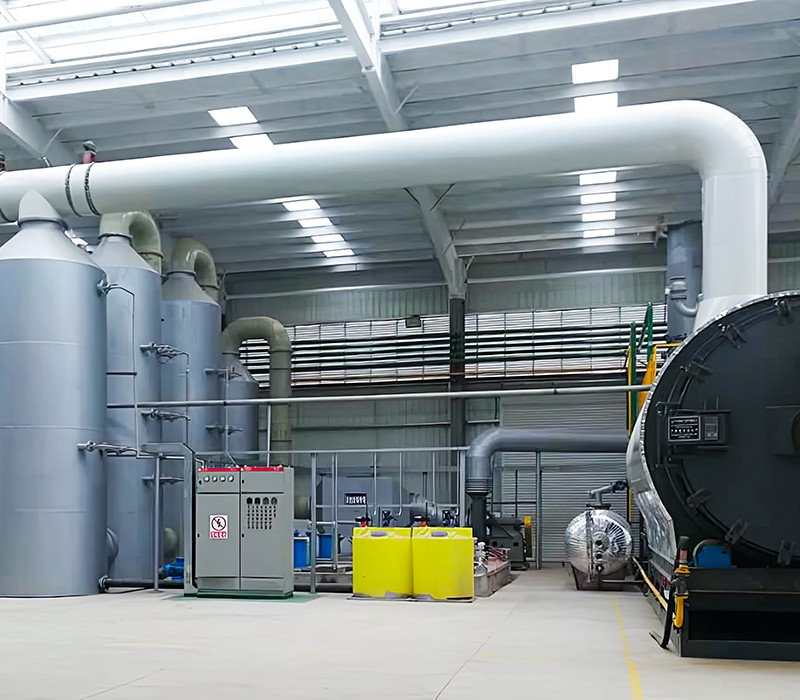
By-products from pyrolysis should be handled according to environmental standards. For example, exhaust gases can be treated with filtration systems, and carbon black residues should undergo safe disposal processes.
Emergency Response Plans
Comprehensive emergency plans should be developed and rehearsed regularly to ensure quick and effective action during incidents, minimizing losses.
Conclusion
The rapid development of the pyrolysis industry offers innovative solutions for waste resource utilization, but its inherent risks must not be overlooked. Through scientific risk management strategies, it is possible to achieve safe and efficient pyrolysis operations while safeguarding the environment and public health.






Let's Pyrolysis!


 +44 7529 150720
  [email protected]
  300 meters east of the South Railway Station in Shangqiu City, Henan Province
  Global Waste-to-Energy Solutions Waste Resource Utilization Equipment Manufacturer

 Profit Calculator
 English
 русский
 Français
 Español
 عربى
عربى