
 5 minutes
Food waste has become a significant environmental and resource challenge in modern society. Globally, approximately 1.3 billion tons of food waste is generated annually, leading to resource wastage and severe environmental issues. Effectively managing this waste and transforming it into valuable resources is a critical focus of current scientific and technological research. Pyrolysis technology has demonstrated immense potential in food waste management due to its efficiency, eco-friendliness, and resource recovery capabilities.
I. Principles of Food Waste Pyrolysis
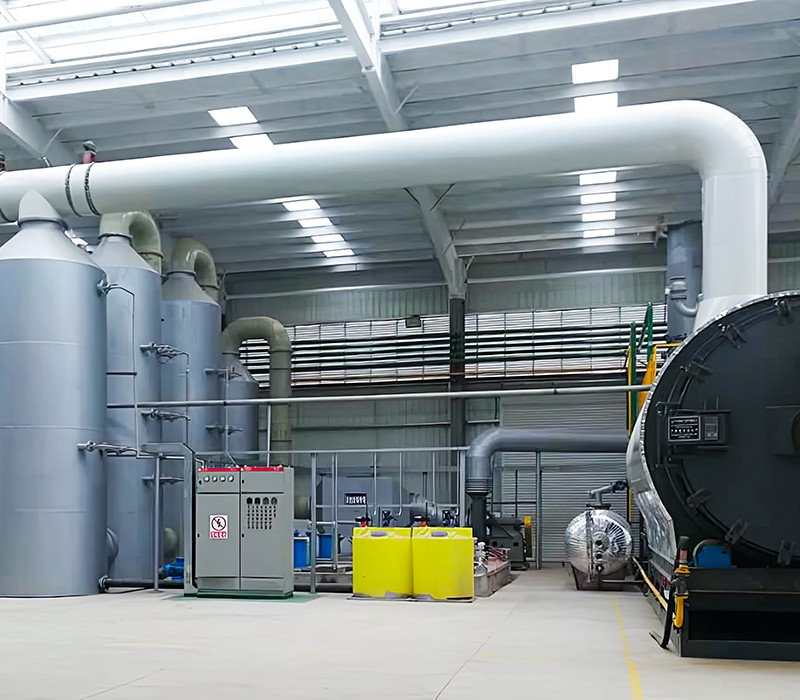
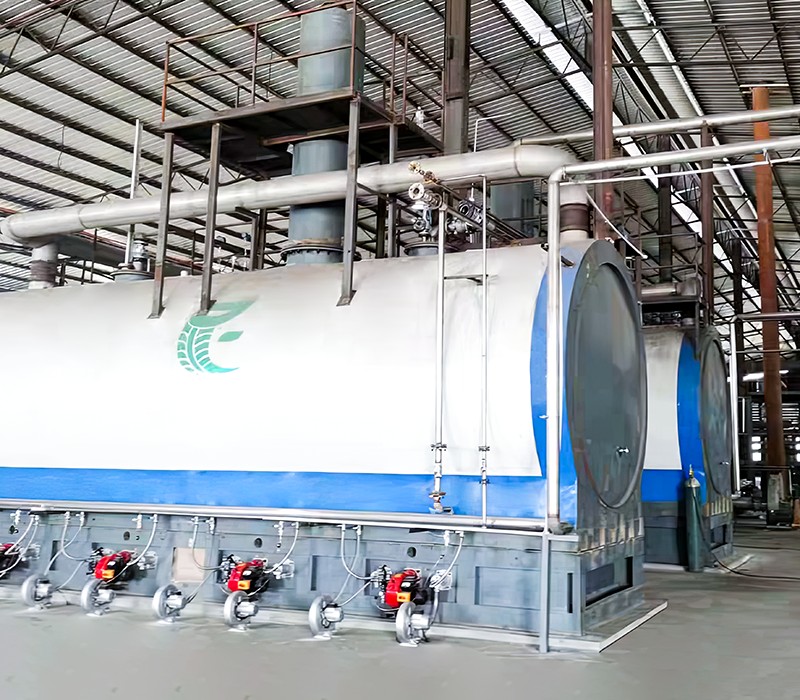
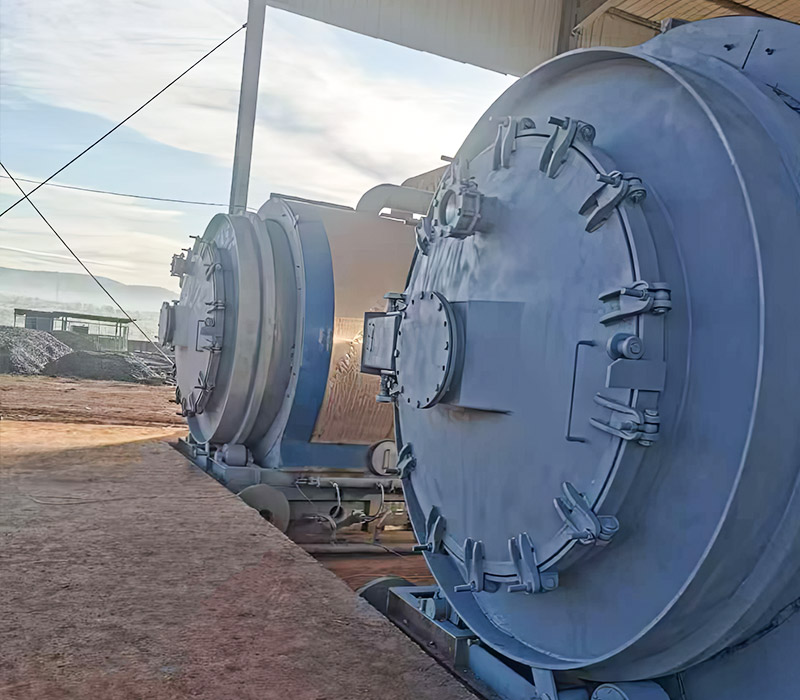
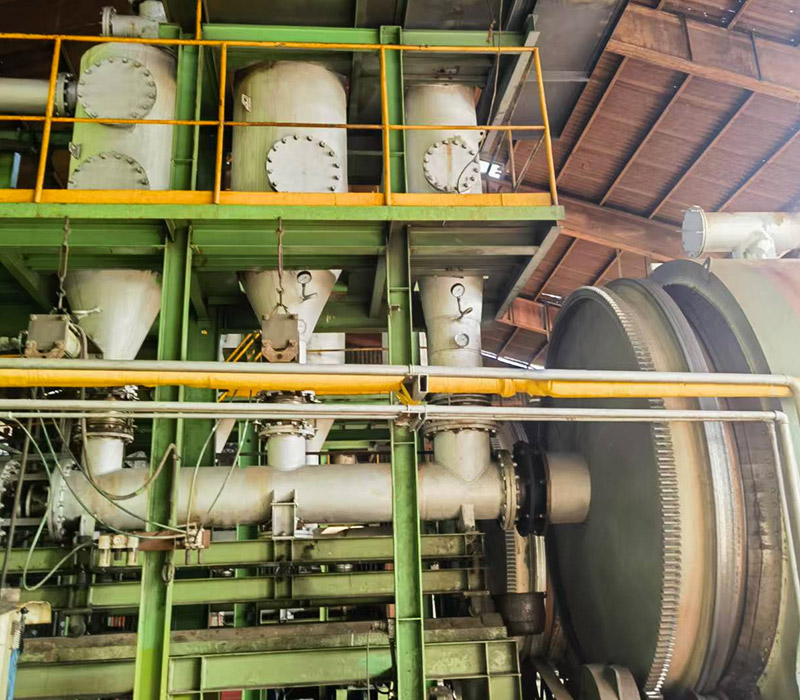
Pyrolysis is a technology that decomposes organic materials into usable products through high temperatures in an oxygen-deficient environment. Food waste, primarily composed of organic matter like carbohydrates, fats, and proteins, can yield the following key products through pyrolysis:
1. Pyrolysis Oil: Used as industrial fuel or further refined into biofuels.
2. Combustible Gases: Such as hydrogen, methane, and carbon monoxide, which can be recovered as energy.
3. Solid Residue: Carbon-rich solids that can be used as soil amendments or raw materials for activated carbon.
II. Advantages of Food Waste Pyrolysis
1. Reduction in Environmental Pollution: Pyrolysis significantly reduces pollution caused by landfill and incineration of food waste, such as greenhouse gas emissions and groundwater contamination.
2. Resource Recycling: Converts food waste into high-value energy products, achieving resource utilization.
3. Broad Applicability: Pyrolysis technology can handle various types of food waste, including kitchen scraps, restaurant waste, and by-products from food processing.
4. Economic Benefits: Recycling pyrolysis products can support local economies by providing energy resources while lowering waste disposal costs.
III. Application Prospects of Food Waste Pyrolysis
1. Energy Production: Pyrolysis oil and combustible gases can be used for power generation, heating, or processed into biofuels, alleviating reliance on fossil fuels.
2. Soil Improvement: Biochar from pyrolysis can enhance soil structure, increase fertility, and promote sustainable agriculture.
3. Industrial Raw Materials: The gases and liquids produced through pyrolysis can serve as renewable raw materials for the chemical industry.
4. Urban Waste Management: Pyrolysis effectively reduces the volume of food waste, offering an efficient solution for urban waste management.
IV. Future Development Directions
To unlock the full potential of food waste pyrolysis, future research and technological advancements can focus on the following areas:
1. Enhancing Pyrolysis Efficiency: Optimize process parameters and develop new catalysts to improve the efficiency and product quality of food waste pyrolysis.
2. Smart Equipment: Promote the automation and intelligence of pyrolysis systems for real-time monitoring and efficient management.
3. Policy Support: Encourage the adoption and application of pyrolysis technology through legislation and financial incentives.
4. Integration with Other Technologies: Combine pyrolysis with biological treatment, mechanical separation, and other methods to create comprehensive food waste management systems.
Conclusion
Pyrolysis technology provides an efficient and sustainable solution for food waste management and resource utilization. In the future, it will play an increasingly vital role in energy production, agricultural development, and waste management, contributing to global circular economy initiatives and sustainable development goals.






Let's Pyrolysis!


 +44 7529 150720
  [email protected]
  300 meters east of the South Railway Station in Shangqiu City, Henan Province
  Global Waste-to-Energy Solutions Waste Resource Utilization Equipment Manufacturer

 Profit Calculator
 English
 русский
 Français
 Español
 عربى
عربى