
 5 minutes
Plastic waste is a significant environmental issue that modern society faces. With the continuous increase in global plastic production and consumption, the accumulation of plastic waste has caused profound impacts on both the ecosystem and public health. Traditional plastic recycling methods, such as mechanical recycling and incineration, not only face challenges of low efficiency and high energy consumption but may also cause secondary pollution. In recent years, pyrolysis technology has emerged as a highly effective waste treatment method, showing great potential in the field of plastic recycling. This article explores the application of pyrolysis technology in plastic recycling and the environmental and economic benefits it brings.
I. Overview of Pyrolysis Technology
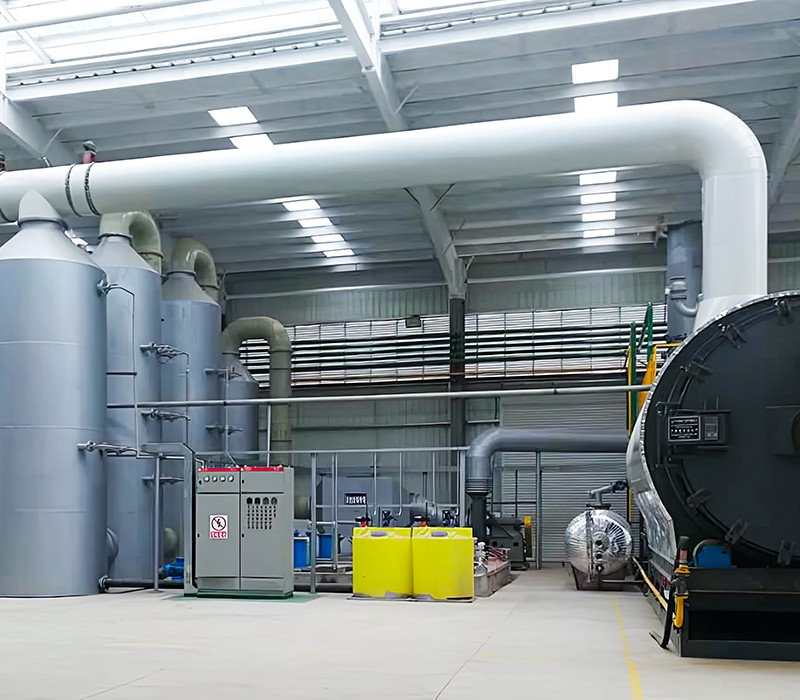
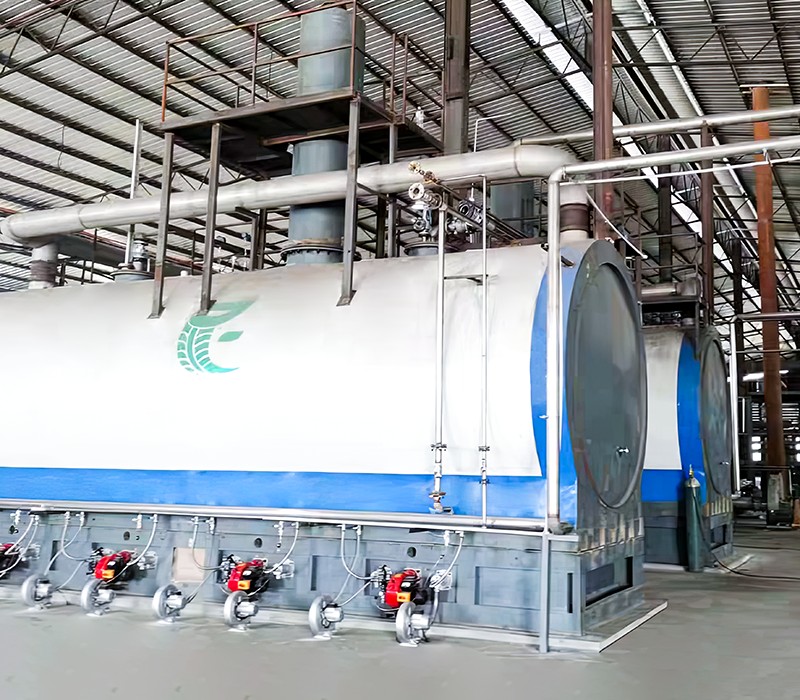
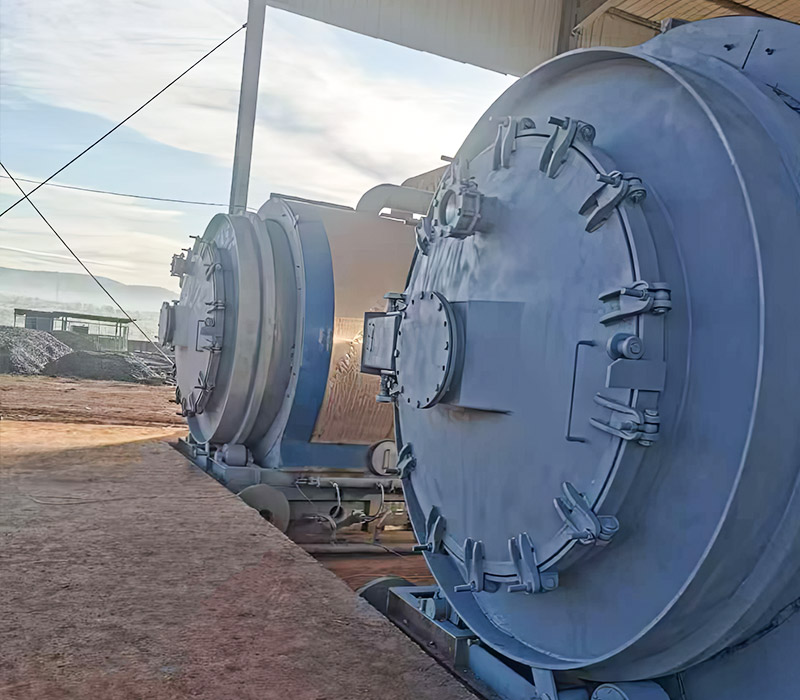
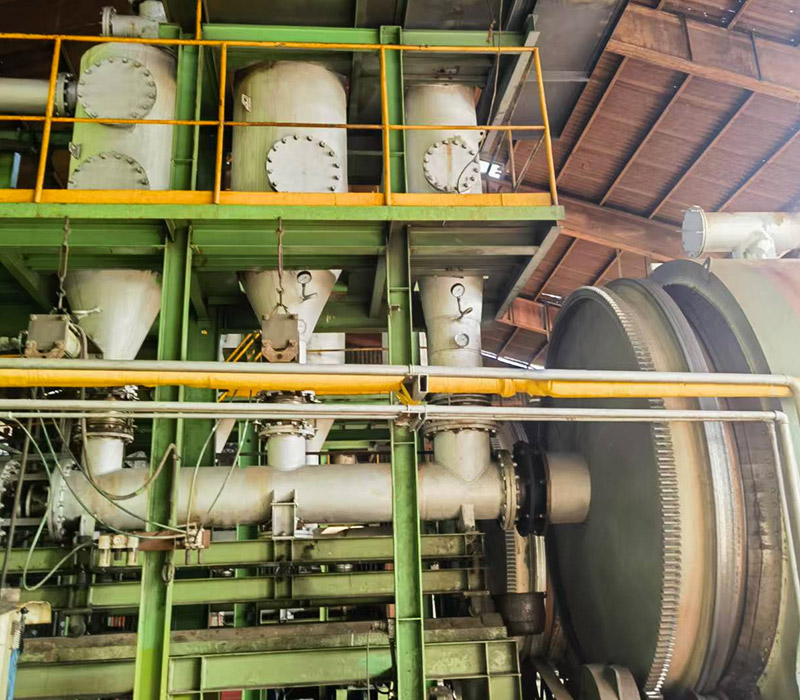
Pyrolysis is a process in which organic materials are heated to high temperatures in an oxygen-limited or oxygen-free environment, breaking down their molecular structure. Unlike traditional incineration, pyrolysis does not fully combust the material but rather transforms it into three primary products: gas, liquid, and solid. When plastic waste undergoes pyrolysis treatment, it can be converted into high-value raw materials such as fuel oil, natural gas, and carbon black.
II. Advantages of Pyrolysis Technology in Plastic Recycling
1. Reduction of Plastic Waste Accumulation
Traditional plastic recycling methods cannot handle all types of plastics, while pyrolysis technology can process almost all types of plastic waste, including hard-to-recycle composite materials and contaminated plastics. Through pyrolysis, plastic waste is efficiently converted, reducing plastic accumulation in the environment.
2. Recovery of High-Value Energy
The pyrolysis process of plastic waste generates high-value by-products, such as fuel oil, gas, and carbon black. These by-products can be used as clean energy for power generation, heating, or transportation, and as chemical feedstocks for producing other chemicals, further enhancing the economic value of resource recovery.
3. Low Environmental Pollution
Compared to incineration, the pyrolysis process operates at lower temperatures and oxygen levels, avoiding the production of harmful gases such as dioxins and hydrogen chloride. Therefore, pyrolysis technology has a significant advantage in reducing secondary pollution.
4. Energy Savings and Emissions Reduction
Pyrolysis technology not only recovers energy but also reduces dependency on fossil fuels and lowers greenhouse gas emissions, making it an environmentally friendly solution.
5. Promoting Circular Economy
As an innovative waste treatment method, pyrolysis technology facilitates the resource-based utilization of plastics, providing strong support for the circular economy. By converting plastic waste into renewable energy and chemicals, pyrolysis technology enables closed-loop utilization of plastic resources, contributing to sustainable development goals.
III. Challenges in the Application of Pyrolysis Technology in Plastic Recycling
Despite its numerous advantages, the application of pyrolysis technology in plastic recycling still faces certain challenges:
1. High Initial Investment Costs
The construction and maintenance of pyrolysis equipment require significant financial investment, especially in the initial stages, which may pose barriers for some enterprises.
2. Technology Maturity
The commercialization of pyrolysis technology is still in its developmental stage, and the stability and efficiency of the technology need further improvement. Existing pyrolysis equipment also varies in its ability to handle different types of plastics.
3. Diversity of Plastic Types
The diversity of plastic types, often containing various chemical components, makes it challenging to control the quality and composition of the gas and liquid products generated during pyrolysis. There is a need to optimize technical parameters and operational conditions further.
IV. Prospects of Pyrolysis Technology in Plastic Recycling
With technological advancements and policy support, the application prospects of pyrolysis technology are increasingly broad. In the future, pyrolysis technology may become an essential method for plastic recycling, promoting the effective treatment and resource utilization of global plastic waste. By further optimizing equipment, improving processing efficiency, and reducing costs, pyrolysis technology is expected to be applied in a wider range of fields and become a key technology in promoting green development and the circular economy.
Conclusion
The application of pyrolysis technology in plastic recycling is of great significance. By converting plastic waste into high-value energy and chemicals, it not only solves the problem of plastic waste disposal but also provides strong support for resource recycling and green development. With continuous technological progress, pyrolysis technology will play an increasingly important role in plastic recycling and environmental protection.






Let's Pyrolysis!


 +44 7529 150720
  [email protected]
  300 meters east of the South Railway Station in Shangqiu City, Henan Province
  Global Waste-to-Energy Solutions Waste Resource Utilization Equipment Manufacturer

 Profit Calculator
 English
 русский
 Français
 Español
 عربى
عربى