
 5 minutes
The disposal of waste tires has been a critical global environmental issue. Each year, millions of tons of waste tires are generated worldwide. If improperly managed, these tires can cause severe pollution to soil, air, and water resources. Pyrolysis technology, with its efficient resource recovery capabilities, has become a key solution for waste tire management. This article delves into the principles, advantages, and applications of pyrolysis treatment for waste tires.
I. Basic Principles of Pyrolysis Treatment
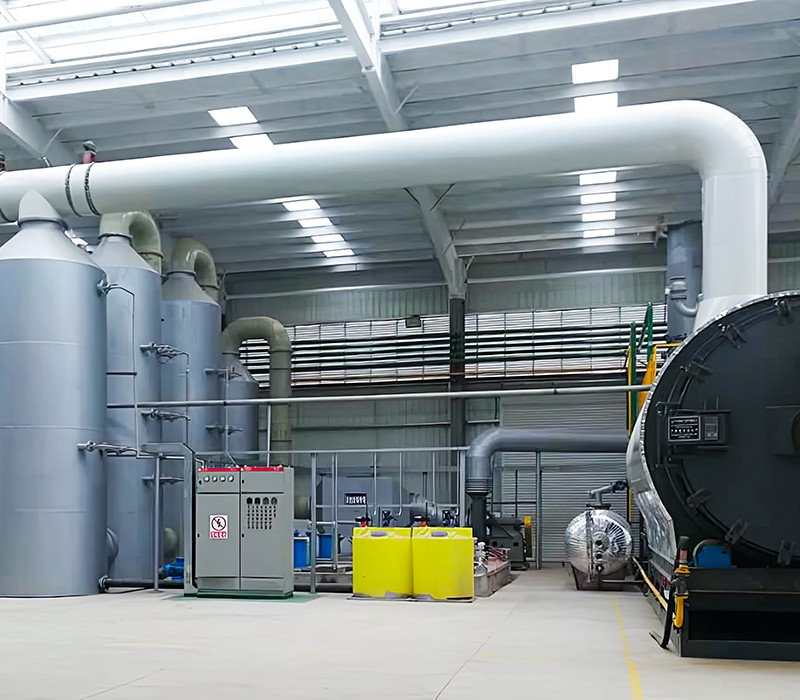
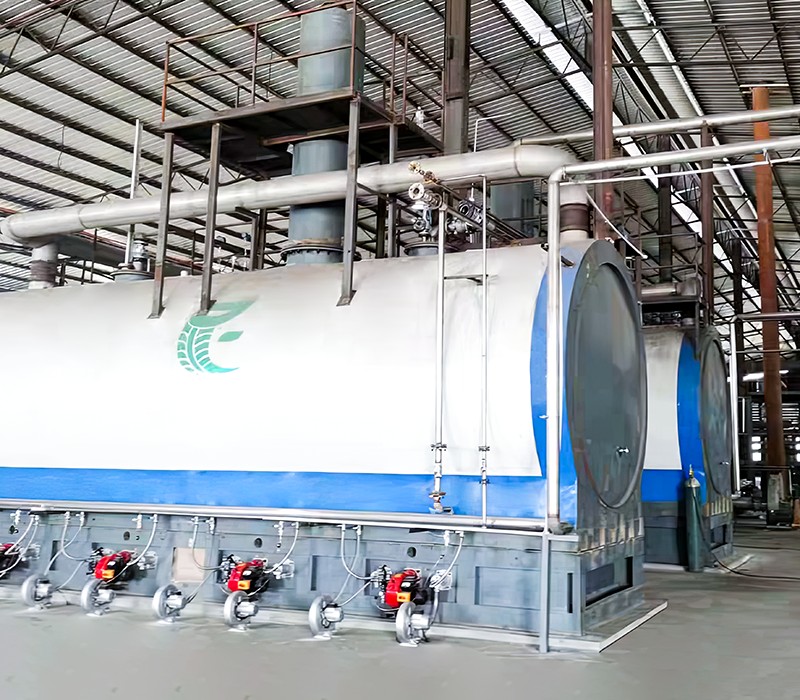
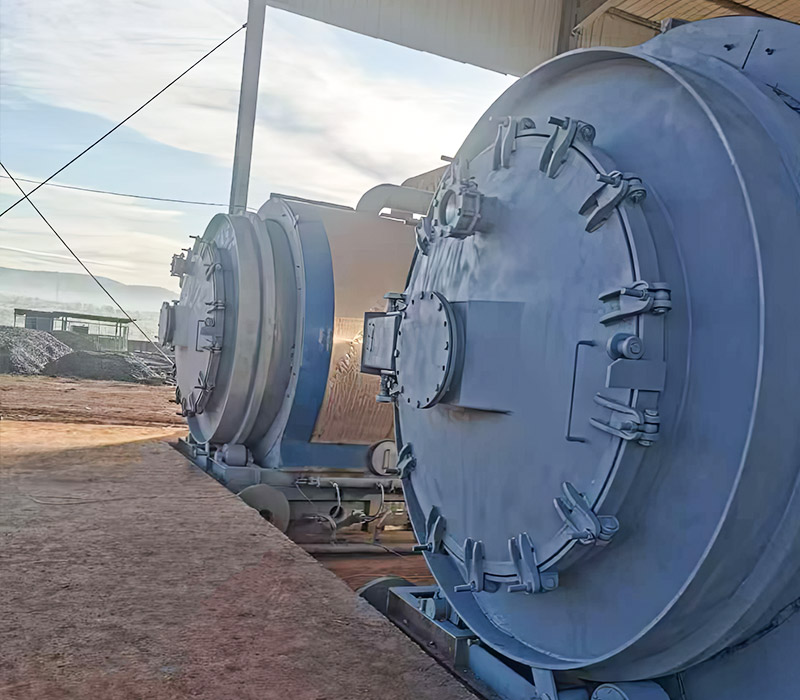
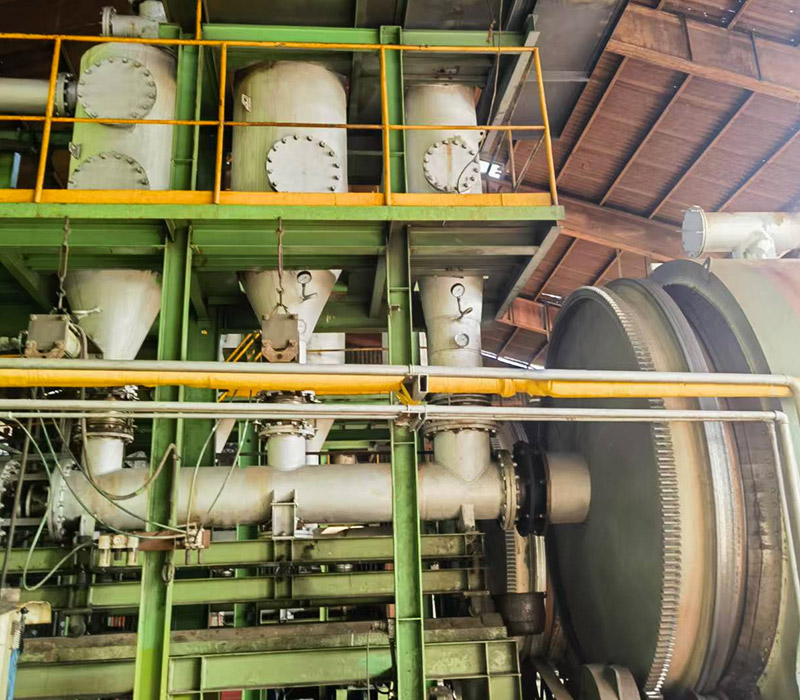
Pyrolysis is a chemical process that involves the decomposition of organic materials at high temperatures in the absence or near-absence of oxygen. In the case of waste tires, pyrolysis breaks down their primary component—rubber—into liquid oil (pyrolysis oil), gaseous fuels, and solid carbon (carbon black). These products are highly valuable:
1. Pyrolysis Oil: Can be used as industrial fuel or refined into diesel and gasoline.
2. Gaseous Fuels: Can be recovered to power the pyrolysis system, reducing operational costs.
3. Carbon Black: Used in manufacturing rubber products, as a reinforcing agent, or as industrial carbon material.
II. Advantages of Pyrolysis Treatment
1. High Resource Recovery: Pyrolysis technology converts waste tires into multiple high-value products, maximizing resource utilization.
2. Environmental Friendliness: Compared to traditional incineration, pyrolysis emits significantly fewer pollutants, effectively reducing environmental impact.
3. Economic Benefits: The sale of pyrolysis oil and carbon black generates considerable economic returns while lowering the cost of environmental remediation.
4. Flexibility: Pyrolysis systems can be customized to accommodate varying processing capacities and requirements, making them suitable for different scales of tire waste management.
III. Applications of Pyrolysis Treatment for Waste Tires
1. Energy Production: Pyrolysis oil, as an alternative fuel, is widely used in industrial applications, providing a cleaner energy solution for businesses.
2. Material Reuse: Carbon black produced from pyrolysis is extensively used in manufacturing new rubber products, plastic materials, and road construction materials.
3. Pollution Mitigation: Pyrolysis effectively addresses environmental issues caused by open dumping and incineration of waste tires.
4. Promoting Circular Economy: The application of pyrolysis aligns with global demands for sustainable development, driving resource recovery and circular economic practices.
IV. Future Development Trends
With continuous technological advancements, the efficiency and environmental performance of pyrolysis systems will further improve. For example, continuous pyrolysis systems enable higher levels of automation and energy efficiency. Additionally, specialized pyrolysis processes tailored to different types of waste tires are being developed to optimize product quality and processing efficiency.
Conclusion
The pyrolysis treatment of waste tires not only provides an effective solution for environmental protection but also paves the way for resource recovery. Against the backdrop of global resource shortages and increasing environmental pressures, pyrolysis technology will play an increasingly vital role in waste tire management, contributing to a cleaner and more sustainable future.






Let's Pyrolysis!


 +44 7529 150720
  [email protected]
  300 meters east of the South Railway Station in Shangqiu City, Henan Province
  Global Waste-to-Energy Solutions Waste Resource Utilization Equipment Manufacturer

 Profit Calculator
 English
 русский
 Français
 Español
 عربى
عربى