
 5 minutes
Pyrolysis technology is an advanced method for converting organic waste into reusable resources. By decomposing materials like scrap tires, plastics, and oil sludge at high temperatures in an oxygen-free environment, pyrolysis transforms waste into valuable byproducts such as oil, gas, and carbon black. This technology has been widely applied in waste management, energy production, and resource recycling, with remarkable progress made over the years.
1. Current Status of Pyrolysis Technology
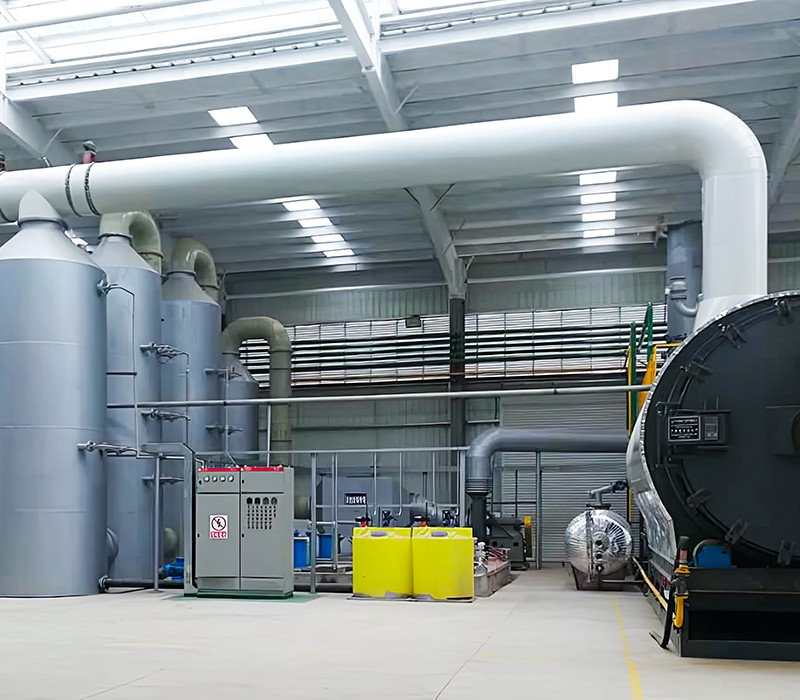
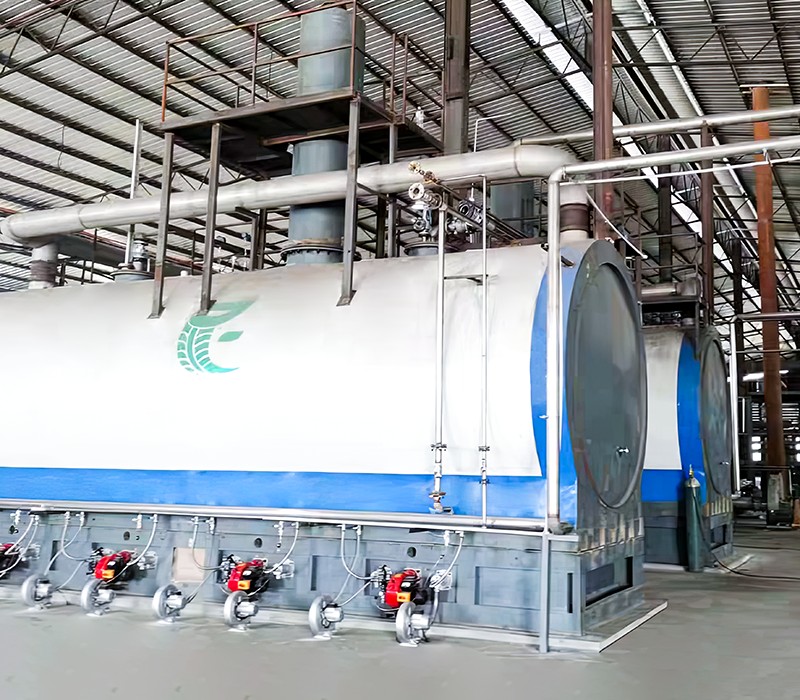
Today, pyrolysis technology has become a vital tool for managing waste, particularly for organic materials that are difficult to degrade. As technology has evolved, pyrolysis equipment has been continually optimized, transitioning from batch processing systems to continuous operation systems. This development has significantly improved the efficiency of waste treatment, enabling large-scale industrial production.
A key feature of modern pyrolysis technology is its environmental friendliness. Unlike traditional waste treatment methods, which often release harmful gases and cause secondary pollution, pyrolysis operates in a closed system that effectively reduces harmful emissions. By refining the gas, oil, and carbon black byproducts, pyrolysis not only utilizes waste efficiently but also offers new possibilities for energy production.
Currently, pyrolysis technology has achieved notable success globally. In Europe, Asia, and the Americas, pyrolysis equipment and technology are widely used, providing effective solutions for waste management. Byproducts such as liquid fuels, carbon black, and syngas are also entering the market and being widely applied.
2. Future Challenges of Pyrolysis Technology
Although pyrolysis technology has made significant progress, there are still many challenges to address in its future development.
Technology Maturity and Cost Issues
While pyrolysis technology is being applied in many areas, it is still evolving and being refined. The high construction and operational costs of pyrolysis equipment currently limit its widespread adoption. Additionally, how to efficiently and cost-effectively recycle and utilize the byproducts generated during pyrolysis remains a key challenge.
Variability in Waste Types and Treatment Capacity
Different types of waste may behave differently during the pyrolysis process. For example, scrap tires, plastics, and organic waste may produce different types of gas and oil during pyrolysis. Improving the versatility of pyrolysis technology to handle various types of waste is an important direction for future development.
Energy Efficiency and Environmental Impact
Pyrolysis requires high temperatures to decompose waste, which generally consumes a large amount of energy. Although pyrolysis generates some energy, such as syngas, how to use this energy efficiently and reduce overall energy consumption and carbon emissions is a major challenge for the technology.
Policies and Regulations
The promotion and application of pyrolysis technology require policy support and regulatory safeguards. As governments encourage the use of environmentally friendly technologies, it is crucial to ensure that the pyrolysis process does not lead to secondary pollution. Developing effective regulatory frameworks and technical standards is key to advancing pyrolysis technology.
3. Conclusion
Pyrolysis technology, as an innovative waste treatment and resource recovery method, has already achieved significant success globally. With continuous technological advancements, pyrolysis is poised to become a major solution for waste management and energy production in the future. However, to achieve widespread application and overcome existing challenges, ongoing efforts in technological innovation, cost control, and policy support are essential. Only through collaboration and collective efforts can we ensure the sustainable development of pyrolysis technology, making a greater contribution to global environmental protection and resource utilization.






Let's Pyrolysis!


 +44 7529 150720
  [email protected]
  300 meters east of the South Railway Station in Shangqiu City, Henan Province
  Global Waste-to-Energy Solutions Waste Resource Utilization Equipment Manufacturer

 Profit Calculator
 English
 русский
 Français
 Español
 عربى
عربى