
 5 minutes
1. In-depth Analysis of Technological Innovations in the Pyrolysis Industry
Pyrolysis technology is an evolving field, with numerous innovations significantly advancing the industry in recent years. Innovations in raw material processing, improving pyrolysis efficiency, and enhancing product quality are key to its progress.
(1) Optimized Pyrolysis Reactor Design:
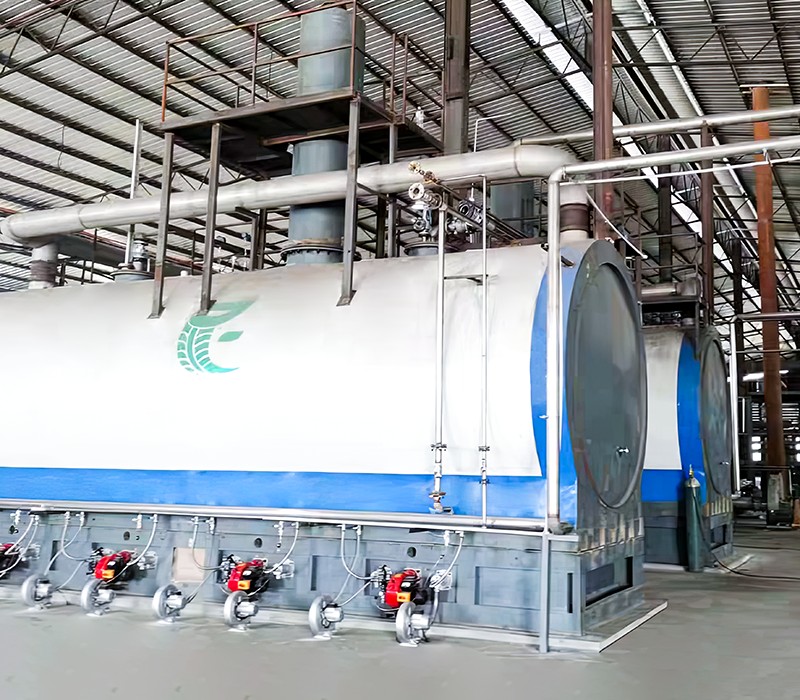
As the understanding of the pyrolysis process deepens, reactor designs have become more refined and efficient. For instance, circulating fluidized bed (CFB) reactors improve the contact efficiency between the feedstock and heat, enhancing heat transfer. This design accelerates the pyrolysis reaction, reduces reaction time, and decreases energy consumption.
Additionally, innovative designs like vertical and multi-stage pyrolysis reactors enable layered heating, improving temperature distribution and ensuring uniform reactions. This increases both the quality and yield of gaseous and liquid products. For plastic pyrolysis, combining reactors with heating and catalyst use drastically reduces the formation of harmful gases, maximizing high-quality fuel oil production.
(2) Application of High-Efficiency Catalysts:
Catalysts have become integral to pyrolysis, particularly in increasing liquid yields and reducing harmful emissions. For example, synthetic zeolite catalysts can convert harmful by-products in plastic pyrolysis into cleaner oils. With more catalyst options, the activity and selectivity of catalysts have improved, allowing for higher-value product yields even at lower temperatures and reducing the formation of tar and acidic gases.
(3) Intelligent and Automated Pyrolysis Process:
With the rise of digital technologies, more pyrolysis systems are incorporating intelligent control systems, using real-time data monitoring and feedback mechanisms to optimize production. For example, systems that monitor temperature, pressure, and gas composition enable precise control over pyrolysis, optimizing conditions for different feedstocks, improving product quality, and reducing energy consumption and pollution.
2. Breakthroughs and Impact of Patented Technologies in the Pyrolysis Industry
With continuous technological development, patents have become a core competitive advantage in the pyrolysis industry. Numerous patented technologies are emerging in reactor design, catalyst development, gas treatment, and product purification.
(1) Patent Protection for Reactors and Heating Systems:
For example, some companies have patented unique heating systems that improve the efficiency and stability of the pyrolysis reaction. Certain patented technologies involve new heat transfer methods, such as using heat-conductive oils or electromagnetic heating, which rapidly increase reactor temperature while maintaining uniform heat distribution, significantly enhancing conversion efficiency and output.
Additionally, some patents focus on improving material flow within reactors to optimize gas-solid contact and heat exchange, increasing the pyrolysis rate and reducing production costs while improving product quality.
(2) Catalysts and Performance Enhancements through Patents:
Patented catalysts play a crucial role in pyrolysis, particularly in enhancing oil yields and reducing harmful gas emissions. Some patents involve catalysts that activate at lower temperatures, improving oil yields and reducing toxic emissions. Moreover, some new catalysts selectively promote specific chemical reactions, increasing target product yields, such as chemicals like olefins and alcohols.
(3) Patented Waste Gas Treatment and Product Separation Technologies:
As environmental regulations tighten, waste gas treatment has become a key area for innovation. Patented technologies for cleaning pyrolysis gases, including adsorption, catalytic, and chemical methods to convert harmful compounds into non-toxic gases, or using high-efficiency filters to reduce harmful emissions, have been developed. Additionally, patented separation technologies, like membrane and condensation methods, help extract high-value chemicals, such as ethylene, propylene, and methanol, from pyrolysis gases.
3. Future Development Trends in Pyrolysis Technology Innovations
The future of pyrolysis technology is promising, and several key trends are expected to drive the industry’s development:
(1) Integrated and Intelligent Systems:
Future pyrolysis systems will be increasingly integrated and intelligent. Digital platforms for system control and remote monitoring will allow self-regulation of equipment, optimizing production parameters in real-time and reducing costs while improving resource efficiency and reducing pollution.
(2) Advanced Catalytic Technologies and Green Innovation:
Future catalysts will evolve to become more efficient, eco-friendly, and cost-effective. In addition to traditional catalysts, new materials like nanocatalysts and solid acid catalysts will increasingly be used in pyrolysis to improve product selectivity and catalytic performance, while reducing side products and harmful emissions.
(3) Development of Multifunctional Pyrolysis Equipment:
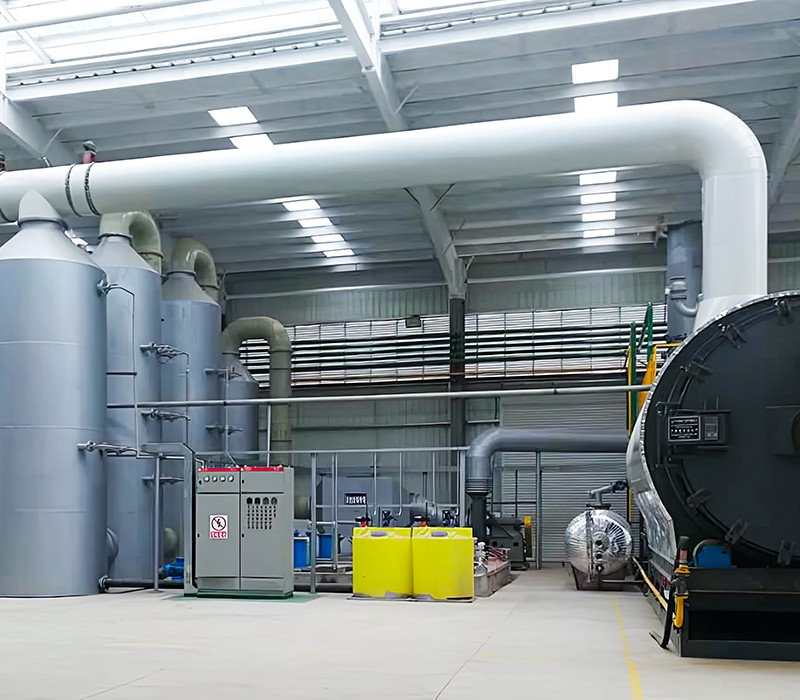
As technology advances, future pyrolysis equipment will integrate multiple functions, not just limited to waste treatment. Some new pyrolysis equipment will simultaneously carry out waste treatment, gas cleaning, and high-value chemical extraction, creating a "waste-energy-products" closed-loop system that not only effectively reduces waste but also creates more economic value for enterprises.






Let's Pyrolysis!


 +44 7529 150720
  [email protected]
  300 meters east of the South Railway Station in Shangqiu City, Henan Province
  Global Waste-to-Energy Solutions Waste Resource Utilization Equipment Manufacturer

 Profit Calculator
 English
 русский
 Français
 Español
 عربى
عربى