
 10 minutes
1. Basic Principles and Applications of Pyrolysis Process
The pyrolysis process is a technology that decomposes organic materials through high temperatures in the absence of oxygen. By heating feedstock to a specific temperature, chemical reactions occur in an oxygen-free environment, producing solid, liquid, and gaseous products. Pyrolysis has been widely applied in waste management, energy production, and the synthesis of chemical products.
In waste management, pyrolysis can effectively process difficult-to-dispose materials like plastics, rubber, and old tires. Through pyrolysis, these wastes can be transformed into reusable energy sources such as liquid fuel, solid carbon black, and combustible gases, reducing landfill waste and minimizing environmental pollution.
Applications of Pyrolysis Technology:
● Waste recycling: such as pyrolysis of old tires, plastics, and rubber.
● Biomass energy: pyrolysis of agricultural and forestry waste to produce bio-oil and biochar.
● Chemical product synthesis: pyrolysis is used to produce various chemicals, widely applied in fine chemicals.
Through the application of pyrolysis technology, many waste materials that were previously difficult to utilize have been converted into reusable resources, offering significant environmental and economic benefits.
2. Feasibility Study Analysis of the Pyrolysis Process
A feasibility study for the pyrolysis process involves assessing its economic viability, environmental impact, and technical feasibility. These factors determine whether pyrolysis technology can be widely applied in practical production.
(1) Economic Analysis:
The economic feasibility of pyrolysis is one of the critical factors for its adoption. In the pyrolysis process, the feedstock is converted into liquid fuel, gases, and solid carbon black, all of which have market demand and economic value. For example, liquid fuels can replace diesel or other petroleum products, gaseous products can be used for power generation or heating, and carbon black can be used in industrial production. Analyzing the pyrolysis benefits of different feedstocks helps assess the investment return and profitability potential.
However, pyrolysis technology requires significant initial investment and operational costs, particularly in terms of equipment procurement, installation, and daily maintenance.
Moreover, energy consumption and catalyst usage during pyrolysis also increase costs. Therefore, the economic feasibility of pyrolysis must be comprehensively evaluated through market research, cost accounting, and long-term operational projections.
(2) Environmental Impact Assessment:
Compared to traditional incineration or landfilling methods, pyrolysis has a smaller environmental footprint. The gases and liquid products produced in the pyrolysis process can be treated to reduce harmful emissions such as dioxins, nitrogen oxides (NOx), and sulfur oxides (SOx). However, some gases such as volatile organic compounds (VOCs) and acidic gases may still be released, requiring effective gas treatment and recovery.
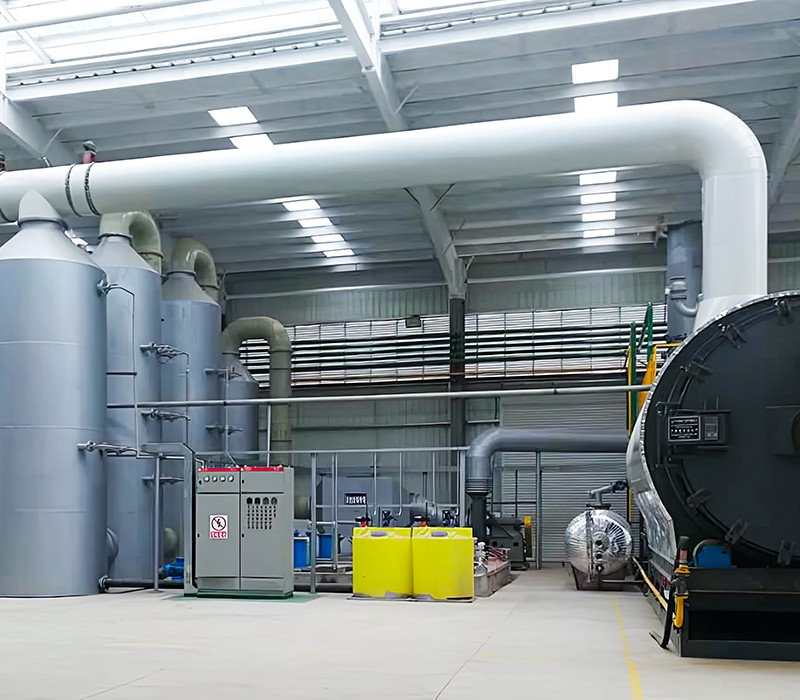
In the feasibility study, the waste gas treatment system of pyrolysis equipment must be evaluated to ensure it can effectively remove harmful substances and meet environmental regulations. The cost of waste gas treatment is an important factor to consider during the feasibility analysis.
(3) Technical Feasibility:
The technical feasibility of pyrolysis is relatively high, but different feedstocks and application scenarios require adjustments to the process conditions. Various wastes like plastics, rubber, and biomass have different pyrolysis characteristics, requiring specific reaction temperatures, pressures, and catalysts.
Thus, the technical feasibility study should consider the following aspects:
● Feedstock Adaptability: Different waste materials require different pyrolysis parameters.
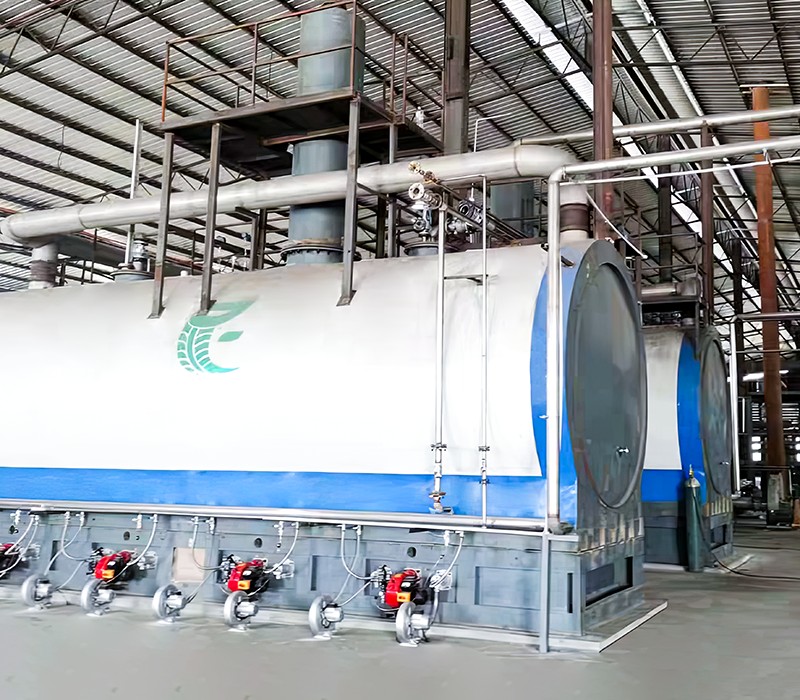
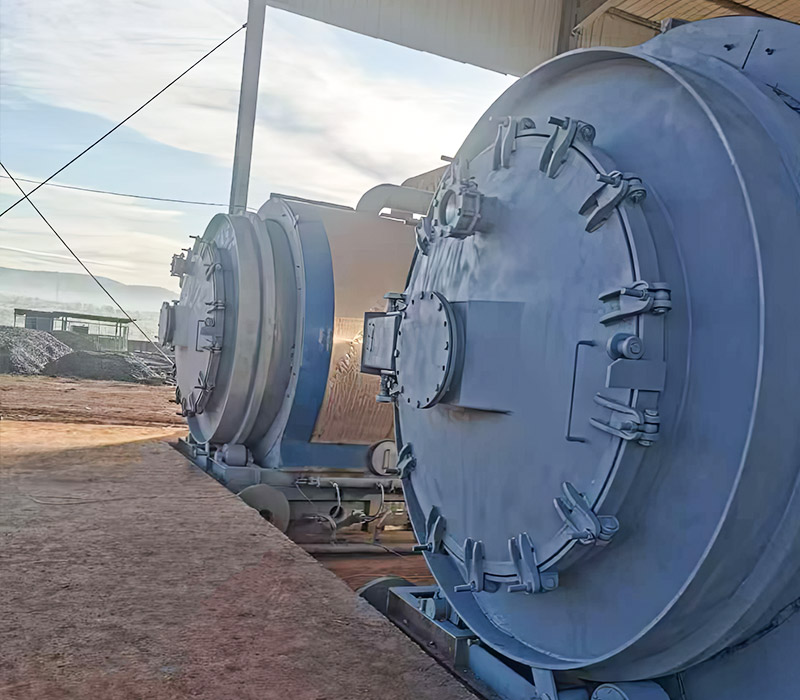
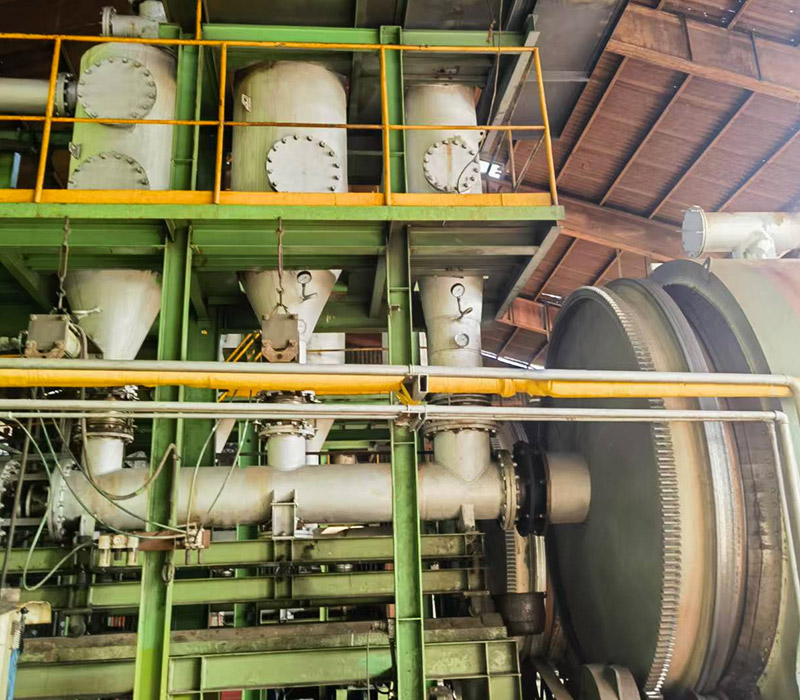
● Reactor Design and Optimization: The design of the pyrolysis reactor directly influences reaction efficiency and product quality.
● Gas and By-product Treatment: The waste gases and by-products produced during pyrolysis need effective purification systems.
3. Future Outlook and Development Trends of Pyrolysis Technology
The future of pyrolysis technology is promising, and several key trends are expected to drive the industry’s growth:
(1) Integration and Automation:
Pyrolysis systems will become increasingly integrated and automated, utilizing IoT and AI technologies to optimize system control, reduce costs, and improve resource efficiency.
(2) Advanced Catalysts and Green Innovation:
Future catalysts will be more efficient, eco-friendly, and cost-effective. Nanocatalysts and solid acid catalysts will increasingly be used in pyrolysis to improve product selectivity and catalytic performance.
(3) Integration with Other Waste Treatment Technologies:
Pyrolysis may be integrated with other technologies like gasification and incineration, enhancing resource utilization and reducing pollution, offering a sustainable "waste-to-energy" closed-loop system.






Let's Pyrolysis!


 +44 7529 150720
  [email protected]
  300 meters east of the South Railway Station in Shangqiu City, Henan Province
  Global Waste-to-Energy Solutions Waste Resource Utilization Equipment Manufacturer

 Profit Calculator
 English
 русский
 Français
 Español
 عربى
عربى