
 5 minutes
Content
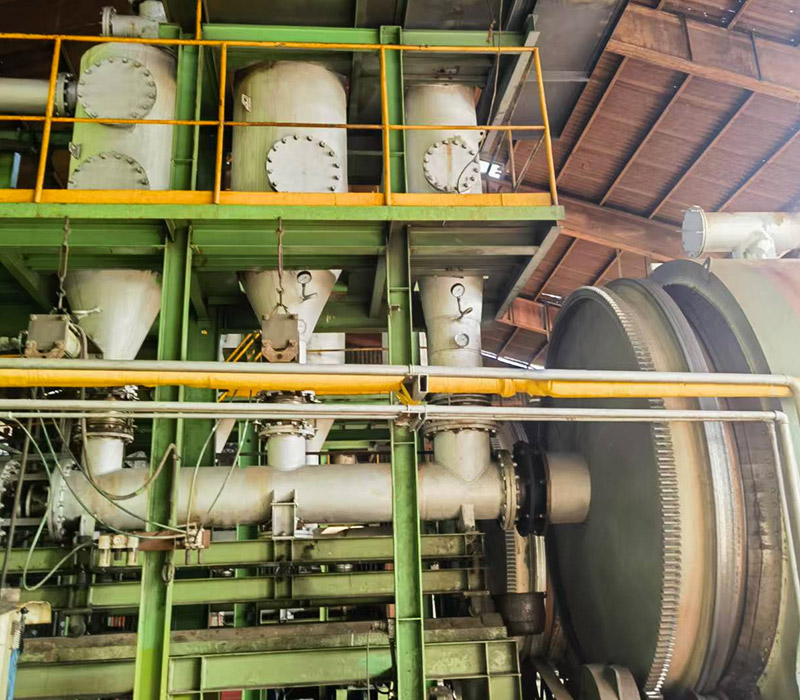
A pyrolysis unit is an industrial system that thermally decomposes organic or polymeric materials in the absence of oxygen, breaking long-chain hydrocarbon molecules into shorter, more valuable compounds. The word pyrolysis derives from the Greek words for fire and separation — an accurate description of a process that uses heat, not combustion, to unlock the chemical energy stored in waste materials.
Unlike incineration, which burns materials to produce heat and ash, pyrolysis operates in an oxygen-free or oxygen-limited environment. Without oxygen, the feedstock cannot combust — instead, heat causes thermal cracking of molecular bonds, producing three primary output streams: pyrolysis oil (also called pyro-oil or tire-derived fuel), a combustible gas mixture, and a solid carbonaceous residue known as char or carbon black.
Pyrolysis units are used to process a wide range of feedstocks including waste tires, plastics, biomass, municipal solid waste, and electronic waste. Among these, waste tire pyrolysis has attracted the greatest commercial interest — driven by the scale of the global tire disposal problem and the high energy content of the fuel produced.
Approximately 1 billion waste tires are generated worldwide every year. End-of-life tires are classified as hazardous waste in many jurisdictions due to their resistance to biodegradation, their toxicity when burned in open fires, and their tendency to accumulate in illegal stockpiles that pose fire and disease risks. A single large tire stockpile fire can burn for months, releasing toxic smoke containing benzene, polycyclic aromatic hydrocarbons, and heavy metals into the surrounding environment.
Traditional disposal routes — landfill, retreading, and crumb rubber production — can absorb only a fraction of annual tire generation. Retreading extends tire life but applies only to commercial vehicle tires in adequate condition. Crumb rubber from mechanical shredding has limited market absorption, and whole-tire landfill is banned in many countries including all European Union member states.
Pyrolysis offers a fundamentally different solution: it transforms waste tires into marketable products — fuel oil, carbon black, steel wire, and combustible gas — turning a disposal liability into a revenue-generating raw material stream. This circular economy model is driving rapid growth in pyrolysis unit installations globally, with the waste tire pyrolysis market projected to expand significantly through the late 2020s.
Understanding the pyrolysis process in sequence helps operators, investors, and environmental professionals evaluate units accurately.
The output from a tire pyrolysis unit divides into four distinct product streams. Yield percentages vary with tire type, reactor temperature, and residence time, but the following values represent typical results from a well-operated continuous pyrolysis unit processing passenger car tires.
| Product | Typical Yield (% by weight) | Primary Use |
|---|---|---|
| Pyrolysis Oil (Tire-Derived Fuel) | 38–45% | Industrial fuel, refinery feedstock |
| Carbon Black (Char) | 30–35% | Fuel, rubber filler, pigment |
| Steel Wire | 10–15% | Scrap metal recycling |
| Non-Condensable Gas | 10–15% | Process heating, power generation |
The pyrolysis oil fraction — also marketed as tire-derived fuel (TDF) — is the highest-value output stream and the primary economic driver of most commercial operations. Its calorific value of approximately 40–44 MJ/kg is comparable to that of conventional diesel fuel, making it a viable substitute in industrial burners, cement kilns, marine engines, and power generation applications.
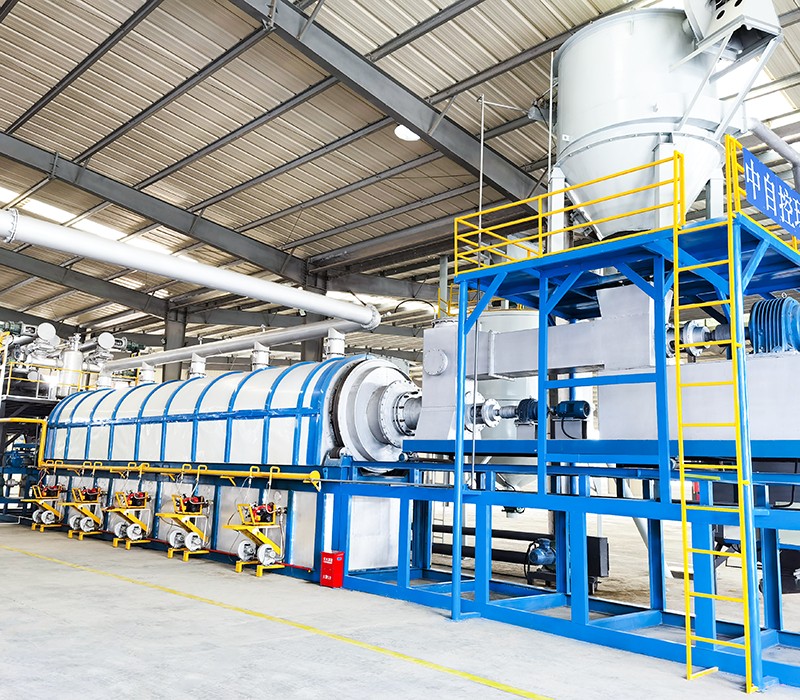
Tire-derived pyrolysis oil is a dark, viscous liquid with a complex hydrocarbon composition dominated by aromatic and aliphatic compounds. Its properties place it between heavy fuel oil and light diesel in the petroleum product spectrum, though its precise composition differs from conventional refinery products due to its origin in synthetic rubber polymers rather than crude oil.
Tire pyrolysis oil typically exhibits a density of 0.92–0.96 g/cm³, a flash point of 35–60°C, and a sulfur content of 0.5–1.5% by weight — higher than ultra-low sulfur diesel but within the specifications acceptable for many industrial combustion applications. Its high aromatic content contributes to its elevated calorific value but also means that direct use as a road vehicle fuel without further refining is not viable in most regulatory frameworks.
The most immediate and widespread use of tire pyrolysis oil is as a direct replacement for heavy fuel oil in industrial burners and boilers. Cement kilns are among the largest consumers — the high temperatures required in clinker production (exceeding 1,450°C) are well within the combustion capabilities of pyrolysis oil, and many cement producers have established formal TDF supply agreements with pyrolysis operators. Steel mills, brick kilns, glass furnaces, and industrial drying facilities represent additional high-volume consumption channels.
A growing number of petroleum refineries are evaluating pyrolysis oil as a co-processing feedstock — blending it with conventional crude oil streams for processing in existing distillation and hydrotreating units. When hydroprocessed to remove sulfur and nitrogen compounds, tire-derived pyrolysis oil can yield diesel and naphtha fractions meeting conventional fuel specifications. This pathway offers the highest value realization for the pyrolysis oil but requires proximity to a refinery with compatible processing capacity and a willingness to accept non-petroleum feedstocks.
Pyrolysis units are available in three operating configurations, each with distinct implications for capital cost, throughput, labor requirements, and product consistency.
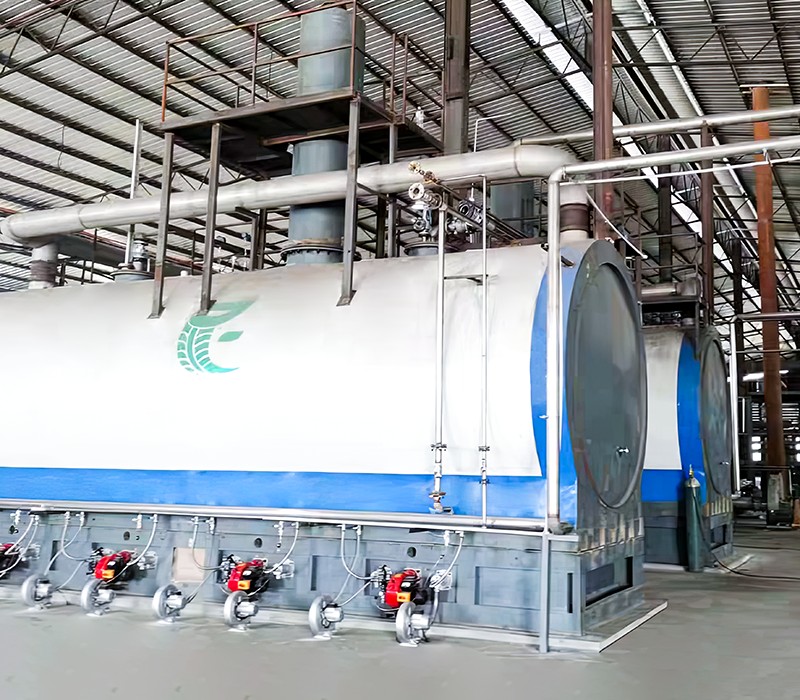
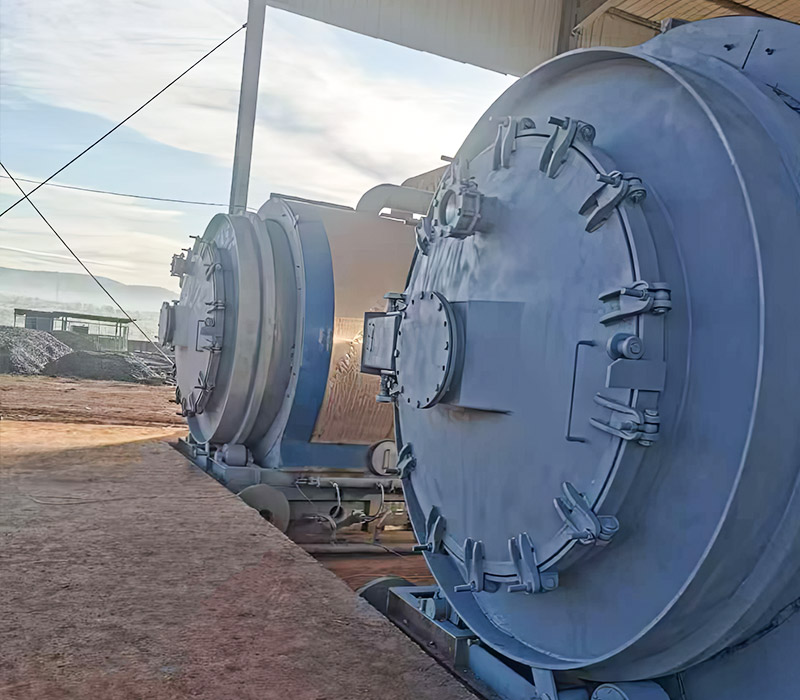
Batch units load a fixed quantity of feedstock, seal the reactor, complete a full pyrolysis cycle (typically 8–12 hours), cool down, and discharge products before the next load is introduced. They represent the lowest capital entry point — typically processing 5–10 tonnes per day — and are well-suited to small-scale operations or locations with intermittent feedstock supply. Their primary disadvantages are high labor intensity, significant thermal cycling stress on the reactor, and variable product quality between batches as temperature profiles change through the cycle.
Semi-continuous designs maintain reactor temperature while allowing periodic feedstock addition and product discharge through sealed airlocks. This architecture extends reactor life by reducing thermal cycling and improves product consistency compared to batch operation. Throughput ranges from 10 to 30 tonnes per day, and labor requirements per tonne processed are lower than batch systems. Semi-continuous units represent the most common configuration among mid-scale commercial operators globally.
Continuous units feed material and discharge products simultaneously through a sealed screw or rotary conveyor system, maintaining stable reactor conditions around the clock. They deliver the highest throughput — from 30 to over 100 tonnes per day in large installations — the most consistent product quality, and the lowest operating labor per tonne. Capital costs are significantly higher than batch or semi-continuous alternatives, but the economies of scale at high throughput generally justify the investment for operations processing more than 20–25 tonnes per day on a sustained basis.
A well-designed and properly operated pyrolysis unit produces significantly lower emissions than open tire burning or uncontrolled incineration, but it is not emissions-free. Regulatory compliance requires that operators address several emission categories.
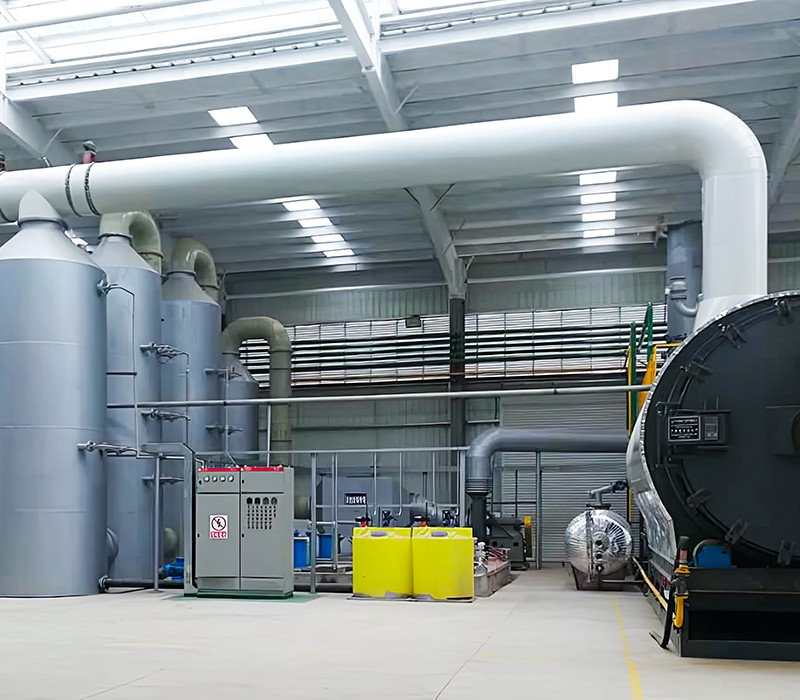
Flue gas emissions from the reactor burner must meet local air quality standards for particulate matter, sulfur dioxide, nitrogen oxides, and carbon monoxide. Modern pyrolysis facilities incorporate cyclone separators, wet scrubbers, and activated carbon filters in their exhaust treatment trains to achieve compliance with industrial emissions directives.
Odor management is a practical concern for facilities located near populated areas. Pyrolysis produces volatile organic compounds (VOCs) that generate noticeable odors during feedstock loading and product discharge. Enclosed handling systems, negative-pressure buildings, and biofilter or thermal oxidizer odor treatment systems are standard elements of environmentally compliant facility design.
Carbon accounting is increasingly relevant as regulatory frameworks expand. Pyrolysis of waste tires displaces the consumption of virgin fossil fuels — the oil and gas products replace petroleum-derived equivalents — but the process itself consumes energy and generates CO₂. Life cycle assessments consistently show a net greenhouse gas benefit for tire pyrolysis compared to landfill disposal combined with conventional fuel production, though the magnitude of the benefit varies with energy source and transport logistics.
Pyrolysis unit operators must navigate a complex regulatory environment that varies significantly by country and jurisdiction. Waste tires are classified as hazardous waste in most developed economies, meaning their collection, transport, and processing are subject to waste management licensing requirements distinct from conventional industrial permitting.
In the European Union, pyrolysis installations processing waste materials require permits under the Industrial Emissions Directive (IED), which sets binding emission limit values and mandates periodic compliance reporting. The classification of pyrolysis oil as a waste-derived fuel rather than a conventional petroleum product affects its tradability and use — operators must obtain waste-derived fuel certifications before the oil can be sold to end users in regulated markets.
In North America, state and provincial environmental agencies issue air quality and waste handling permits, with requirements varying considerably between jurisdictions. Several U.S. states have developed specific regulatory frameworks for pyrolysis, recognizing it as a form of advanced recycling rather than waste treatment — a classification distinction that affects both permitting complexity and eligibility for recycling incentives.
Investors and project developers entering the pyrolysis sector should conduct early regulatory pre-consultation with the relevant environmental authority. Permitting timelines of 12 to 36 months are common for new facilities, and engaging experienced environmental consultants at the project design stage consistently reduces approval delays and costly redesign requirements.
The economics of a tire pyrolysis unit depend on four primary variables: feedstock acquisition cost, product revenue, operating cost, and capital cost recovery.
Feedstock cost is often the most advantageous element of the economic model. Tire collectors and processors frequently pay a gate fee to dispose of waste tires — meaning the pyrolysis operator receives both the raw material and a tipping fee rather than purchasing feedstock. Gate fees for waste tires range from approximately $50 to $200 per tonne depending on local disposal alternatives and regulatory context.
Product revenue is driven primarily by pyrolysis oil pricing, which is linked to regional fuel oil markets. Carbon black from tire pyrolysis — classified as recovered carbon black (rCB) — commands a premium over standard char when processed and certified to ASTM standards, with rCB prices typically ranging from $300 to $600 per tonne. Steel wire recovered from the char is sold as scrap metal at prevailing market rates.
A continuous pyrolysis unit processing 30 tonnes of waste tires per day can realistically generate annual revenues of $2–4 million USD from product sales alone, with gate fee income providing an additional revenue layer. Operating costs including labor, maintenance, energy, and consumables typically represent 40–55% of gross revenue, leaving substantial margin to service capital investment — provided feedstock supply is secured and product offtake agreements are in place before the facility is commissioned.






Let's Pyrolysis!


 +44 7529 150720
  [email protected]
  300 meters east of the South Railway Station in Shangqiu City, Henan Province
  Global Waste-to-Energy Solutions Waste Resource Utilization Equipment Manufacturer

 Profit Calculator
 English
 русский
 Français
 Español
 عربى
عربى