
 5 minutes
In waste management, pyrolysis and incineration are two commonly used technologies, yet they differ significantly in principles, processes, and applications. Understanding these differences helps in selecting the appropriate method for specific needs and promotes efficient resource utilization and environmental protection.
Definition and Principles
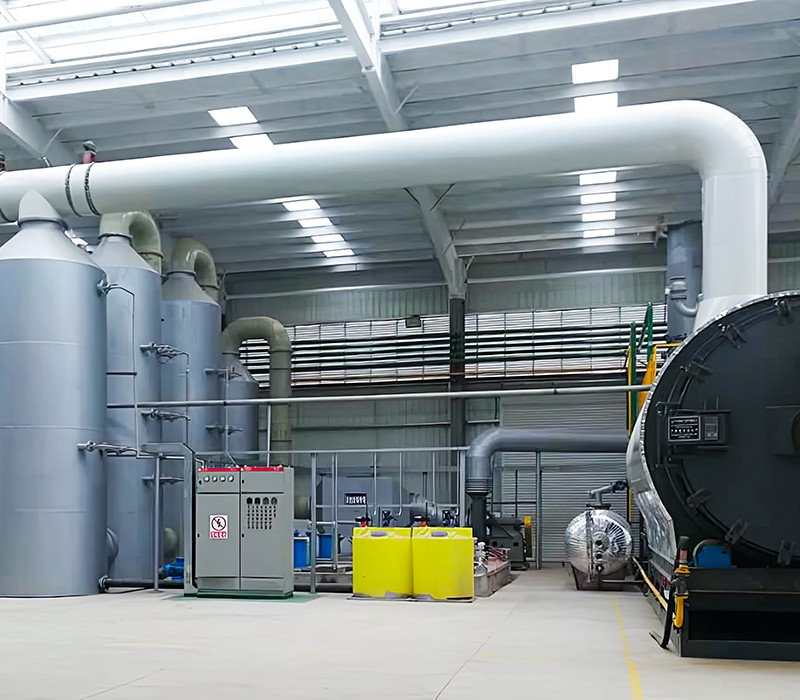
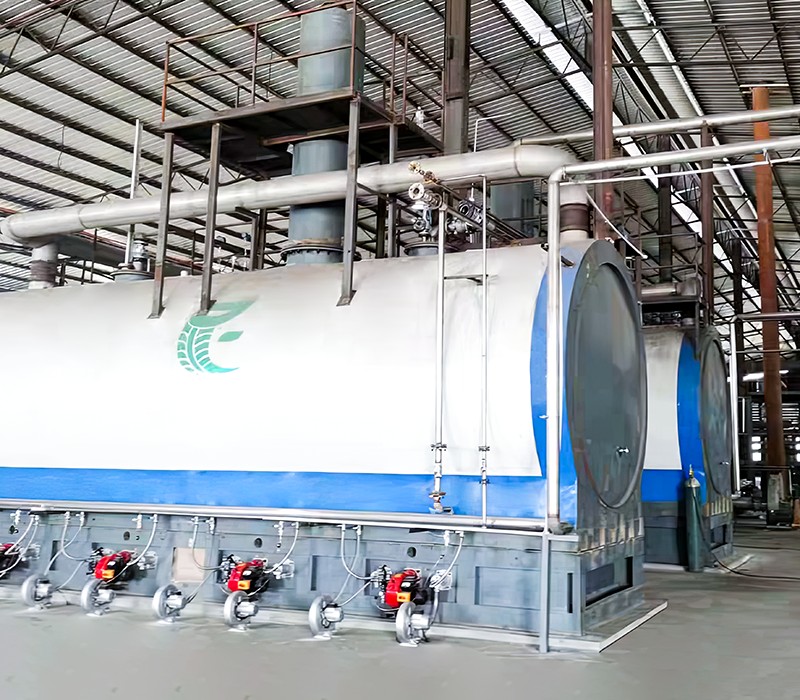
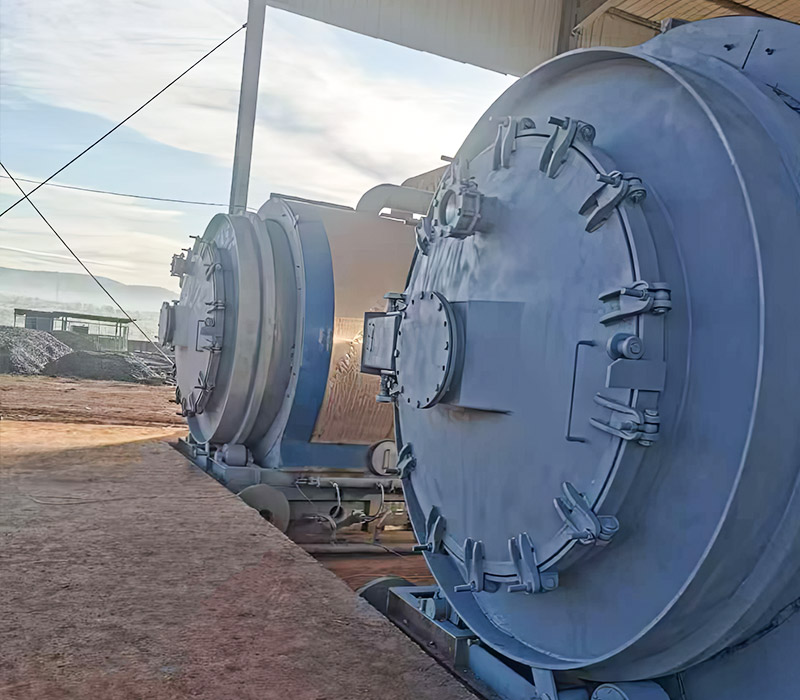
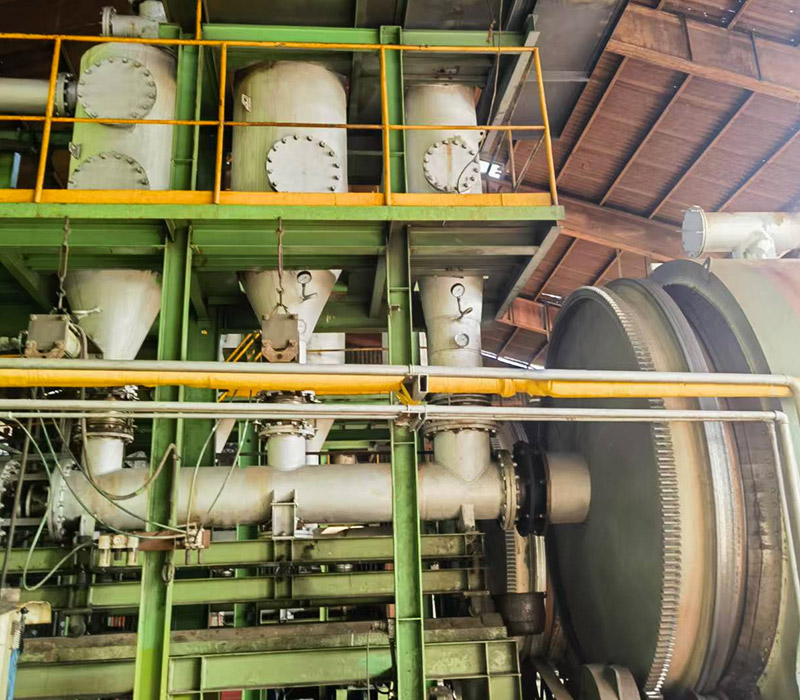
Pyrolysis is a process of decomposing organic materials at high temperatures under oxygen-free or low-oxygen conditions. It primarily involves chemical decomposition, producing gaseous (e.g., carbon monoxide, methane), liquid (e.g., pyrolysis oil), and solid products (e.g., biochar).
Incineration, on the other hand, is the complete combustion of organic materials at high temperatures in the presence of oxygen, converting waste into carbon dioxide, water vapor, and thermal energy.
Temperature and Oxygen Conditions
Pyrolysis typically operates at 300°C to 900°C and requires strict control of oxygen levels to prevent oxidation reactions.
Incineration requires higher temperatures, usually between 850°C and 1200°C, and relies on an abundant oxygen supply to sustain the combustion process.
Nature and Utilization of Products
1. Pyrolysis Products:
● Gaseous: Used for power generation or as industrial fuel.
● Liquid: Refined into diesel or other chemical feedstocks.
● Solid: Serves as soil amendments or industrial adsorbents.
2. Incineration Products:
● Gaseous: Mainly carbon dioxide and water vapor, though incomplete combustion may generate harmful gases.
● Solid: Ash produced is smaller in volume but may contain heavy metals requiring careful disposal.
Environmental Impact
Pyrolysis, conducted under low-oxygen conditions, minimizes the generation of harmful gases like dioxins and allows resource recovery to reduce overall waste volume.
Incineration, while effective, may produce acidic gases (e.g., sulfur dioxide) and dioxins. Despite modern gas treatment systems, strict monitoring is necessary to prevent pollution.
Application Scenarios
Pyrolysis is suitable for treating high-organic-content waste such as plastics, tires, and biomass, especially when resource recovery is desired.
Incineration is commonly used for municipal solid waste or medical waste, particularly when rapid volume reduction and pathogen destruction are priorities.
Economics and Sustainability
Pyrolysis offers higher resource utilization value due to its diverse products, though initial investment costs are higher.
Incineration is a mature technology with high processing efficiency, but over-reliance can lead to resource wastage and hinder the development of a circular economy.
By analyzing the differences between pyrolysis and incineration, it becomes evident that each has its advantages and limitations. Selecting the appropriate technology based on actual needs can improve waste treatment efficiency while achieving the dual goals of environmental protection and resource utilization.






Let's Pyrolysis!


 +44 7529 150720
  [email protected]
  300 meters east of the South Railway Station in Shangqiu City, Henan Province
  Global Waste-to-Energy Solutions Waste Resource Utilization Equipment Manufacturer

 Profit Calculator
 English
 русский
 Français
 Español
 عربى
عربى