
 10 minutes
1. Introduction
Pyrolysis technology is widely applied in fields such as waste treatment, energy recovery, and new material development. The commissioning and optimization of pyrolysis processes are crucial steps to ensure efficient, safe, and environmentally friendly operations. The commissioning stage involves the installation of equipment, parameter setting, and testing of process flows, while optimization focuses on improving energy efficiency, reducing emissions, and lowering operational costs. Effective commissioning and optimization enable pyrolysis processes to achieve higher processing efficiency, more stable operations, and minimal environmental impact.
This article will delve into the commissioning and optimization process of pyrolysis, explaining its importance, implementation steps, and offering practical tips for successful operation.
2. Key Steps in Pyrolysis Process Commissioning
(1) Equipment Installation and Basic Setup:
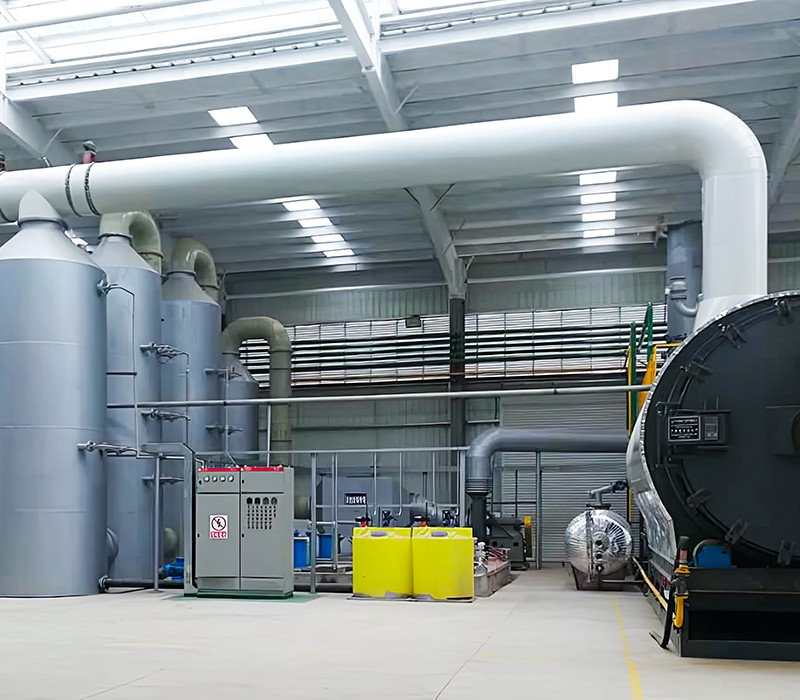
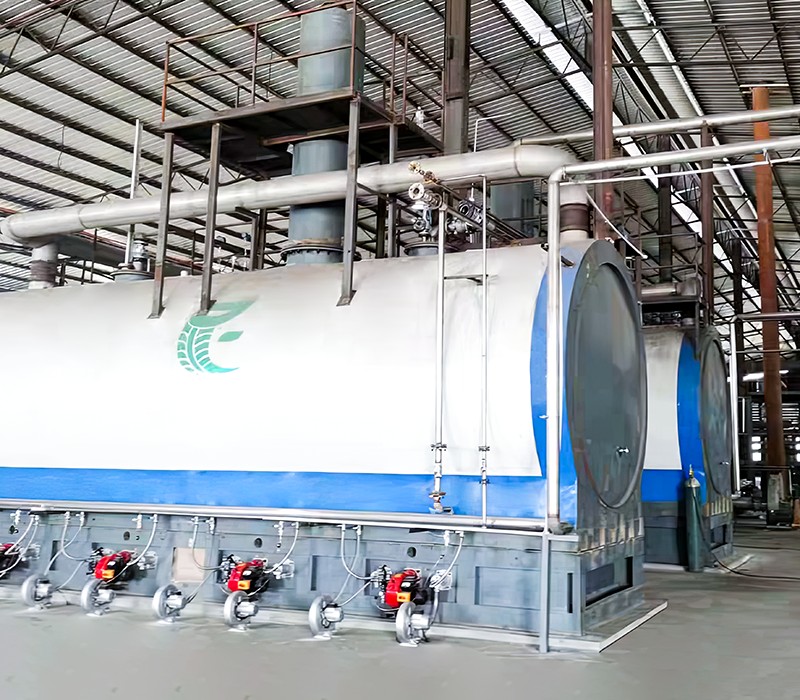
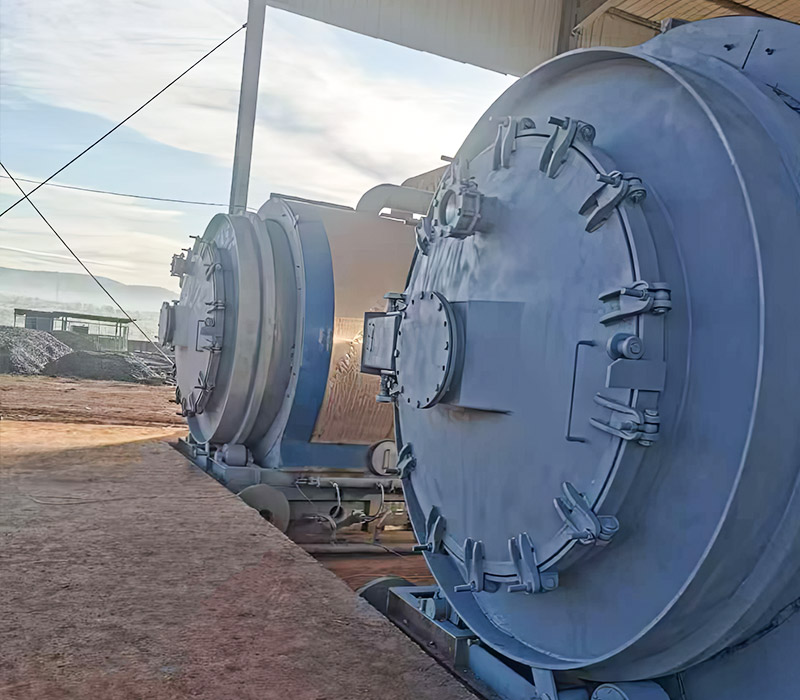
The installation of pyrolysis equipment is the first step in the commissioning process. Ensuring the correct connection of equipment components and the completeness of the infrastructure is essential. During installation, it is important to configure electrical power, gas supply, and cooling systems according to the manufacturer's technical specifications.
Operators must also be familiar with the principles and functions of each component to quickly troubleshoot issues during later operations.
(2) Temperature and Pressure Control Commissioning:
Temperature and pressure are critical factors that influence reaction efficiency and product quality in the pyrolysis process. During commissioning, precise measurement and adjustment of the temperature distribution and reaction pressure within the pyrolysis reactor are required. The manufacturer typically provides operational ranges, but operators must fine-tune these settings based on the feedstock characteristics and actual equipment performance. Ensuring stable and uniform temperature and pressure conditions improves pyrolysis efficiency and prevents side reactions caused by overheating or excessively low temperatures.
(3) Feed and Discharge System Commissioning:
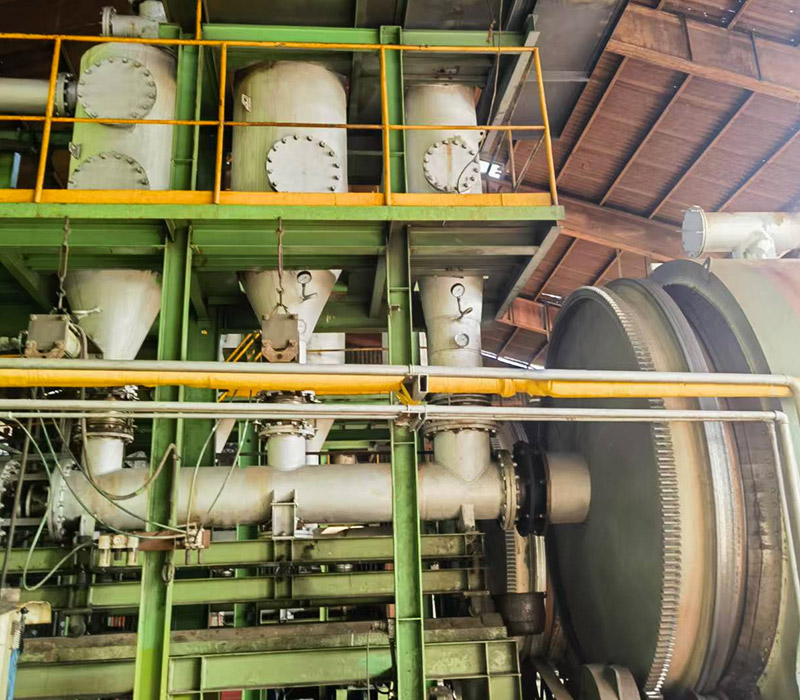
The commissioning of feed and discharge systems is another essential aspect of the pyrolysis process. The type, particle size, and moisture content of the feedstock all influence the pyrolysis reaction, so the feed system needs to accurately control the amount and speed of feedstock. The discharge system must ensure the smooth separation and discharge of gases, liquids, and solids to avoid cross-contamination or equipment blockages. During commissioning, adjustments to feed rates and discharge speeds are necessary to ensure coordinated operation between systems.
3. Key Strategies for Pyrolysis Process Optimization
(1) Energy Efficiency Optimization:
Energy efficiency optimization is a core goal of pyrolysis process optimization. By properly configuring equipment, optimizing reaction time and temperature settings, energy conversion efficiency can be increased. For example, optimizing waste gas and oil recovery systems can effectively reduce energy consumption by utilizing the high-temperature gases and liquid fuels generated during pyrolysis to supply heat to the reactor, minimizing external energy dependence and lowering operational costs.
(2) Emission Control and Environmental Measures:
Environmental protection is another important aspect of pyrolysis process optimization. Harmful gases (such as dioxins and nitrogen oxides) released during pyrolysis can cause significant environmental damage, so emission control is a key focus during optimization. By employing efficient gas purification systems (such as catalysts and adsorbents) and adhering to strict operational standards, harmful emissions can be significantly reduced, ensuring compliance with environmental regulations.
(3) Product Quality and Recovery Rate Enhancement:
Improving product quality and recovery rates is another critical aspect of pyrolysis process optimization. The quality of pyrolysis products directly affects their subsequent utilization value. Therefore, during optimization, greater emphasis should be placed on analyzing and controlling the composition of the products. For instance, optimizing reaction parameters such as temperature, pressure, and reaction time can enhance the yield and quality of oil, gas, and carbon black. By continuously adjusting process conditions and identifying the optimal production parameters, resource recovery efficiency can be improved, and the competitiveness of the final products in the market can be enhanced.
(4) Automation and Intelligent Control:
With the advancement of technology, modern pyrolysis processes increasingly rely on automation and intelligent control. The introduction of advanced automated control systems, real-time data monitoring, and remote control technologies allows for precise adjustments to process parameters, ensuring the stability and efficiency of the pyrolysis process. Moreover, intelligent systems can perform fault diagnosis and provide early warnings, improving system safety and reliability.
4. Conclusion
The commissioning and optimization of pyrolysis processes are critical for enhancing equipment performance, reducing energy consumption, minimizing environmental pollution, and improving product quality. During commissioning, attention is given to equipment installation, temperature and pressure control, and feed and discharge system adjustments. During optimization, the focus shifts to improving energy efficiency, emission control, and product quality. With the development of automation technology, intelligent control systems will play an increasingly important role in pyrolysis process optimization. Through continuous technological innovation and optimization practices, pyrolysis processes are expected to operate more efficiently and sustainably, contributing to environmental protection and energy recovery.






Let's Pyrolysis!


 +44 7529 150720
  [email protected]
  300 meters east of the South Railway Station in Shangqiu City, Henan Province
  Global Waste-to-Energy Solutions Waste Resource Utilization Equipment Manufacturer

 Profit Calculator
 English
 русский
 Français
 Español
 عربى
عربى