
 10 minutes
1. Introduction
Pyrolysis technology is an effective method for converting organic waste into usable energy, widely applied in waste treatment, energy recovery, and new material development. During the pyrolysis process, waste heat is an inevitable by-product. Although waste heat may seem useless, it can significantly improve the energy efficiency of the pyrolysis process, reduce overall operating costs, and minimize environmental impact when recovered and utilized properly. Therefore, heat recovery plays an important role in pyrolysis processes.
This article will explore the technologies used for heat recovery in the pyrolysis process, describe the methods and applications of waste heat recovery, and discuss the role of heat recovery in improving energy efficiency and promoting sustainable development.
2. Causes and Characteristics of Waste Heat
Waste heat in the pyrolysis process primarily originates from the high temperatures generated during the reaction. Pyrolysis typically occurs at temperatures between 500°C and 900°C, releasing a large amount of heat. This waste heat includes high-temperature gases from the reactor and gases and liquids released during the cooling stage. Since pyrolysis requires a constant high-temperature environment, the management and utilization of waste heat are particularly important.
Waste heat is characterized by its high temperature and is usually in the form of low-temperature exhaust gases or hot liquids. If not recovered, these waste heat by-products are often released into the atmosphere, leading to energy waste and environmental pollution. Therefore, effectively recovering and utilizing this waste heat is a key issue that needs to be addressed to improve overall process efficiency.
3. Key Methods for Waste Heat Utilization
(1) Heat Recovery and Energy Reuse:
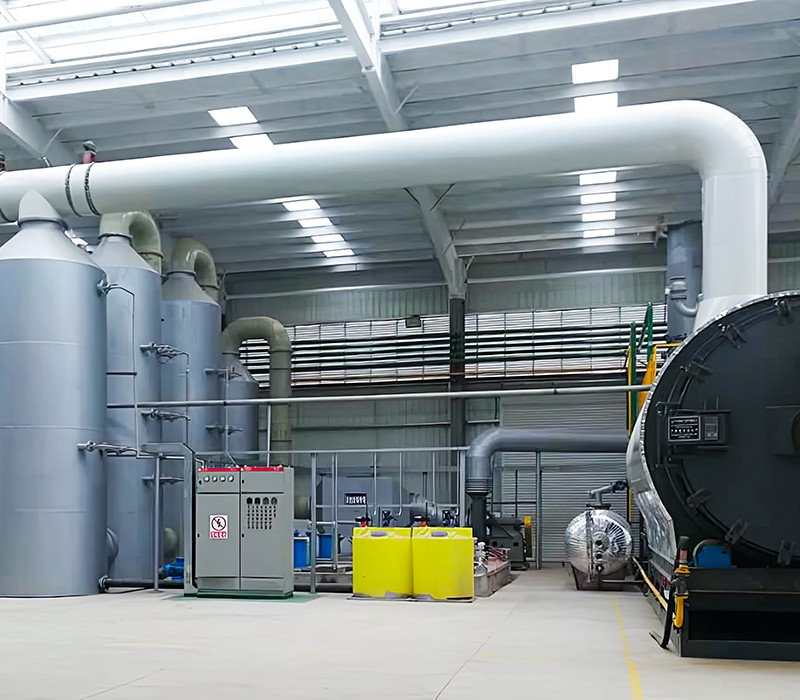
Heat recovery is one of the most common methods for utilizing waste heat. Through heat exchangers, waste heat can be collected and converted into usable thermal energy. For instance, high-temperature gases generated during pyrolysis can be passed through heat exchangers to transfer heat to hot water or steam systems, which can then be used for heating or to provide heat for equipment. Additionally, waste heat boilers can convert waste heat into steam, which can be used to drive steam generators to produce electricity for the production process.
(2) Waste Heat Power Generation:
Waste heat power generation is an important direction for utilizing waste heat. Some of the waste heat in the pyrolysis process can be used to drive thermoelectric generators or
Organic Rankine Cycle (ORC) systems. These systems can convert waste heat into electricity. The ORC system, in particular, is suitable for recovering medium to low-temperature waste heat and converting it into electricity for industrial use, further improving overall energy efficiency.
(3) Improving Pyrolysis Reaction Efficiency:
By recovering and reusing waste heat, additional heat can be provided for the pyrolysis reaction, reducing the reliance on external energy sources. This not only lowers production costs but also reduces environmental pollution. Waste heat utilization creates a closed-loop cycle of energy within the pyrolysis process, improving reaction efficiency and economic benefits.
(4) Air Preheating and Auxiliary Heating:
Waste heat can also be used for air preheating systems, where high-temperature exhaust gases are heated to a certain temperature before being fed into the pyrolysis reactor. This can effectively reduce fuel consumption because the temperature inside the reactor is partially provided by the recovered waste heat. This method reduces fuel consumption and improves the overall thermal efficiency of the system.
4. Economic and Environmental Benefits of Waste Heat Utilization
(1) Reducing Production Costs:
Waste heat utilization can significantly lower energy consumption in the pyrolysis process, thereby reducing operational costs. By using recovered waste heat as a heat source, the need for external energy purchases is reduced, and energy waste is avoided. This offers a notable cost-saving opportunity for pyrolysis companies, especially with rising energy prices.
(2) Improving Energy Efficiency:
By recovering waste heat, the overall energy efficiency of pyrolysis equipment is significantly improved. The use of waste heat ensures that the thermal efficiency of the equipment reaches near 100%, reducing energy losses in the pyrolysis process. Whether by generating steam power or preheating the reactor, the efficient use of waste heat greatly enhances the energy utilization of the pyrolysis process.
(3) Environmental Protection:
Heat recovery and reuse can significantly reduce emissions of waste gases, lowering atmospheric pollution. By reducing waste heat emissions, the contribution to greenhouse gases is minimized, and harmful gases such as CO2 and NOx are prevented from being released. Additionally, the efficient use of waste heat reduces the consumption of natural resources, helping to promote the development of green and environmentally friendly technologies.
5. Conclusion
Waste heat utilization plays a crucial role in the pyrolysis process. It not only helps to improve energy efficiency, reduce production costs, and promote environmental protection but also reduces dependence on external energy sources. In practical applications, the recovery and reuse of waste heat allow pyrolysis equipment to operate more efficiently and sustainably, creating a closed-loop cycle of energy and resources. With continued technological development, waste heat utilization will become an important direction for further optimization and advancement of pyrolysis technology, making significant contributions to green industrial development and sustainable progress.
This detailed version includes a thorough examination of the methods, benefits, and future potential of waste heat recovery within pyrolysis processes, emphasizing both environmental and economic impacts.






Let's Pyrolysis!


 +44 7529 150720
  [email protected]
  300 meters east of the South Railway Station in Shangqiu City, Henan Province
  Global Waste-to-Energy Solutions Waste Resource Utilization Equipment Manufacturer

 Profit Calculator
 English
 русский
 Français
 Español
 عربى
عربى