
 6 minutes
With the increasing global awareness of environmental protection and the growing demand for sustainable development, the green economy has gradually become one of the main development goals for many countries. A green economy focuses on promoting economic growth while reducing environmental pollution and resource consumption, achieving a win-win between ecology and economy. Pyrolysis technology, as an environmentally friendly waste treatment process, plays a significant role in the green economy.
1. Introduction to Pyrolysis Technology
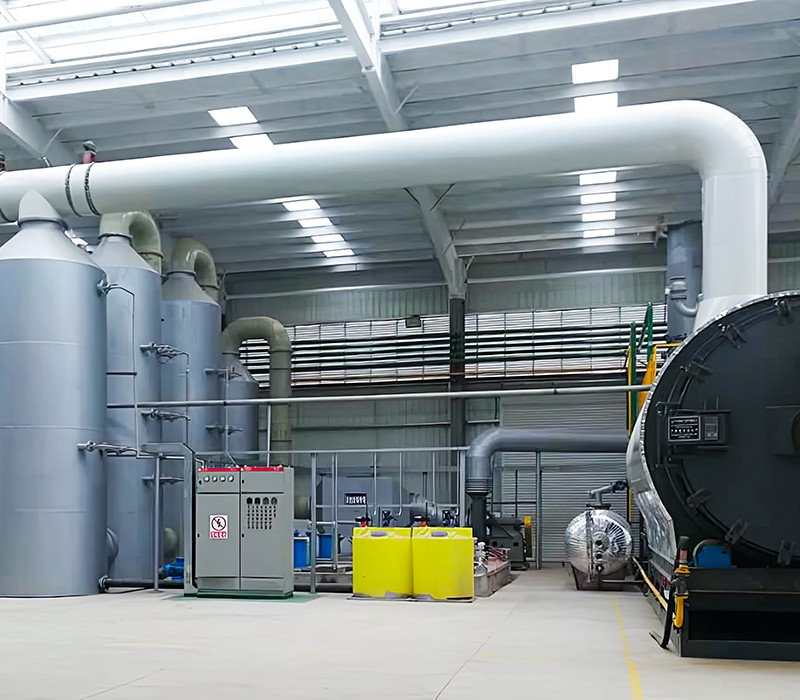
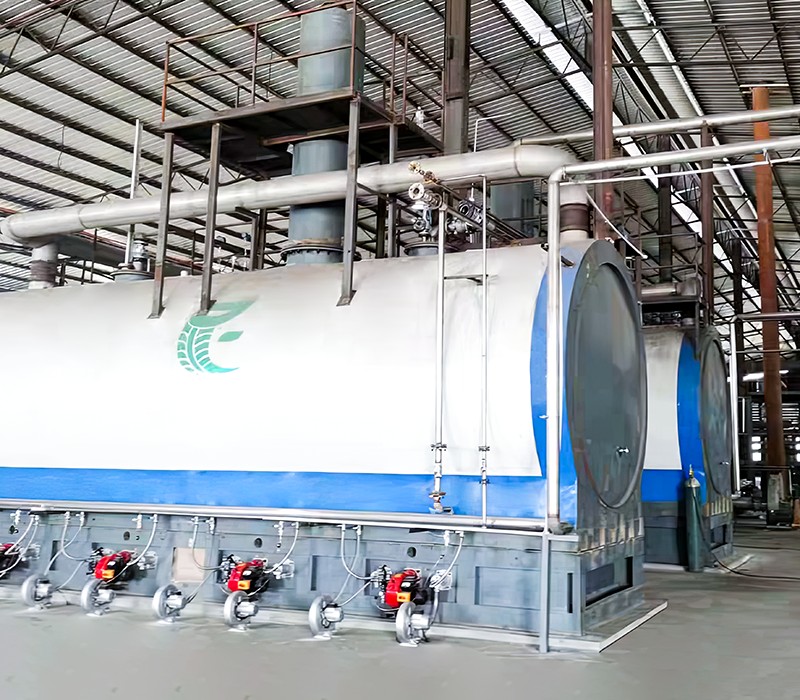
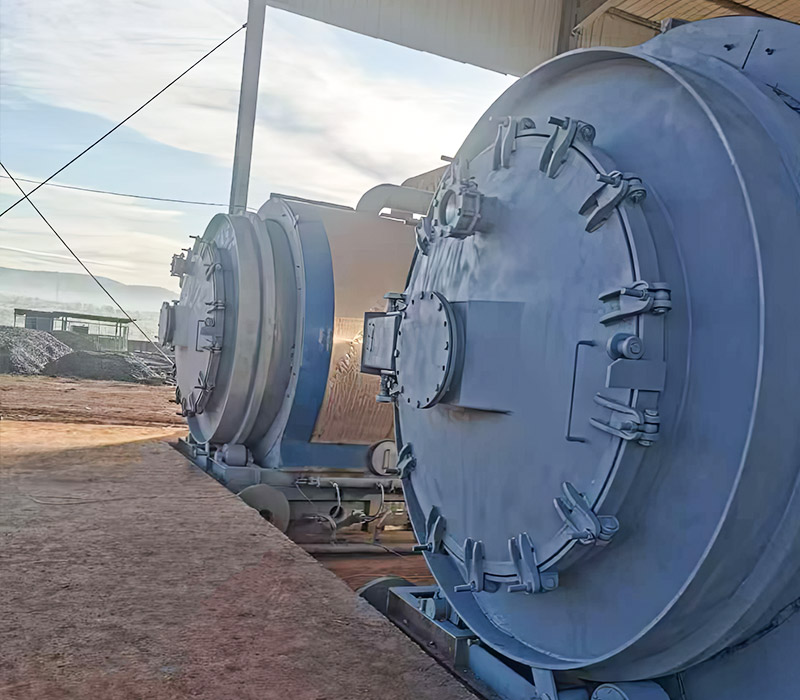
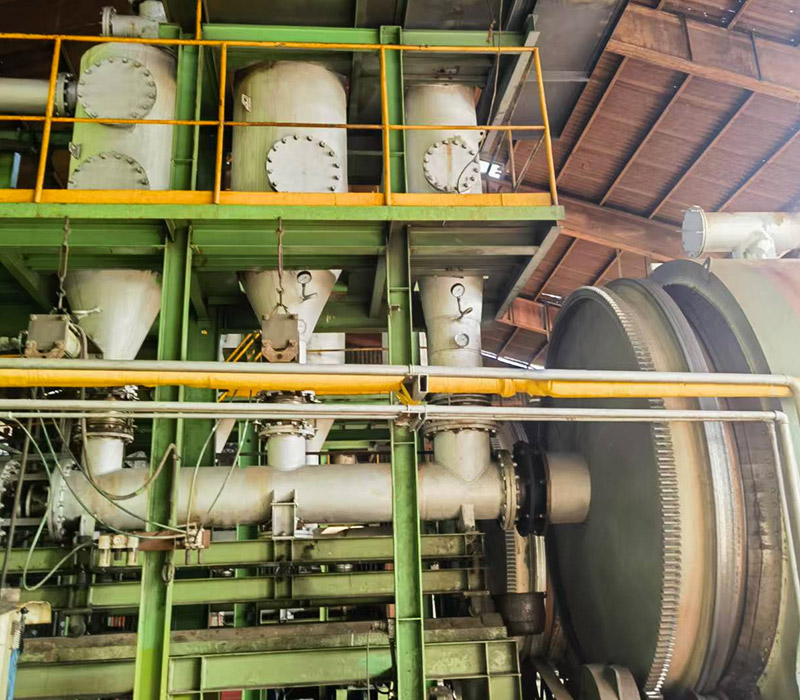
Pyrolysis is a process where waste materials are heated in an oxygen-deficient or low-oxygen environment, causing thermal decomposition to produce valuable products such as oil, gas, and carbon black. These products can be used as energy and further processed into high-value materials.
For example, waste tires, plastics, and rubber can be processed through pyrolysis to produce high-quality pyrolysis oil, carbon black, and syngas, which have broad applications in industries and energy sectors. The advantage of pyrolysis is its ability to effectively utilize waste resources, reduce dependency on natural resources, and avoid environmental pollution caused by incineration or landfilling.
2. Contributions of Pyrolysis to the Green Economy
(1) Waste Resource Utilization
Pyrolysis technology provides an efficient way to treat waste materials, converting them into usable energy and materials. Waste tires, plastics, wood, and other materials are transformed into energy sources like pyrolysis oil and syngas, which can be used to produce diesel, gasoline, or even electricity. By-products like carbon black are also applied in industrial production, further enhancing resource utilization.
(2) Reduction of Pollution and Carbon Emissions
Compared to traditional waste incineration or landfilling methods, pyrolysis produces significantly less pollution. During the pyrolysis process, harmful gases are not generated in large quantities, and non-condensable gases (syngas) are burned for energy recovery, which helps reduce greenhouse gas emissions. This is crucial for addressing global climate change and promoting a low-carbon economy.
(3) Promotion of Renewable Energy Use
Pyrolysis technology provides a new source of renewable energy by converting waste into fuels such as pyrolysis oil and syngas. These fuels can replace fossil fuels, reducing reliance on non-renewable resources like coal and oil, which helps optimize the energy structure and achieve sustainable development.
(4) Promotion of Green Industries
Pyrolysis technology not only solves waste treatment problems but also creates new market opportunities for green industries. As the green economy continues to grow, the application of pyrolysis is expanding into more fields, such as plastic recycling, biomass energy, and waste tire processing. The development of these emerging industries not only promotes the growth of the green economy but also fosters innovation and upgrading in environmental protection technologies.
3. Future Prospects of Pyrolysis in the Green Economy
With continuous technological advancements and the support of environmental policies, pyrolysis technology is expected to play an even more important role in the green economy in the future. It will continue to provide innovative solutions in waste management, energy production, and environmental protection. As global demand for environmental protection and resource recycling increases, pyrolysis technology will become an essential driving force in the development of the green economy.






Let's Pyrolysis!


 +44 7529 150720
  [email protected]
  300 meters east of the South Railway Station in Shangqiu City, Henan Province
  Global Waste-to-Energy Solutions Waste Resource Utilization Equipment Manufacturer

 Profit Calculator
 English
 русский
 Français
 Español
 عربى
عربى