
 10 minutes
When choosing pyrolysis equipment, the following key factors can be considered:
1. Determine requirements
Firstly, it is necessary to clarify your pyrolysis requirements, including the types of materials to be processed, processing capabilities, and the intended use of the final product. Different applications may require different types of devices.
2. Equipment type
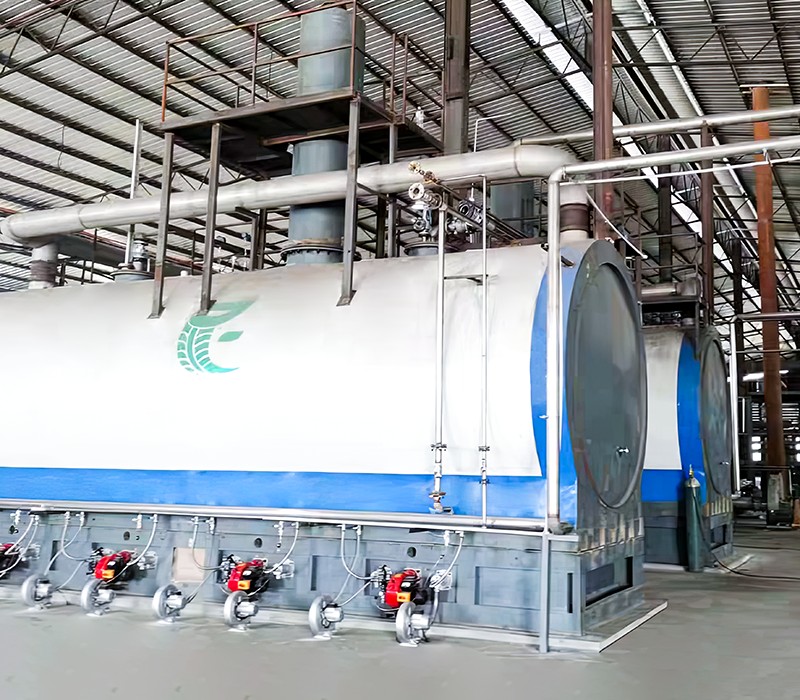
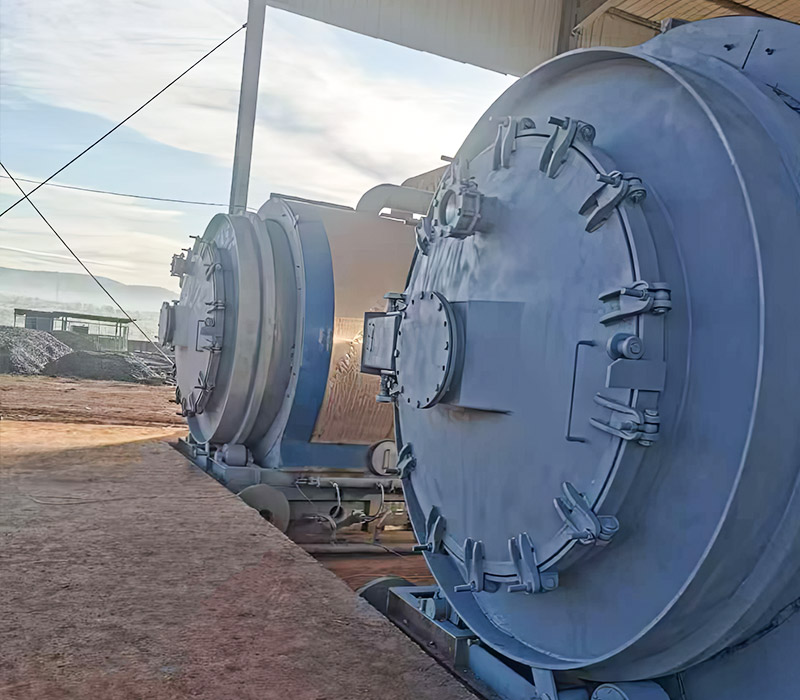
There are various pyrolysis equipment on the market, such as batch and continuous pyrolysis furnaces. Batch production is suitable for small-scale production, while continuous production is more suitable for large-scale production.
3. Energy efficiency
Choosing equipment with high energy efficiency can reduce operating costs. Check the energy consumption indicators of the device and select the model that can effectively utilize energy.
4. Material handling capability
Understand the feeding and output capabilities of the equipment to ensure it meets production needs. The equipment should be able to handle multiple types of raw materials.
5. The reputation of the equipment manufacturer
Choose manufacturers with a good reputation, as they typically provide more reliable after-sales service and support. Reviewing customer reviews and case studies can help make informed choices.
6. Technical support and training
Ensuring that manufacturers provide technical support and operational training is crucial for the efficient use and maintenance of equipment.
7. Security
Check the safety standards of the equipment to ensure compliance with industry regulations and necessary safety protection measures.
8. Cost and Budget
Finally, evaluate the cost and budget of the equipment to ensure that cost-effective equipment is selected within the budget range.
9. Maintenance and upkeep of equipment
It is also very important to understand the maintenance and upkeep requirements when choosing pyrolysis equipment. Some devices may require frequent maintenance, while others may be relatively simple. Choosing equipment that is easy to maintain can reduce downtime and improve production efficiency.
10. Environmental performance
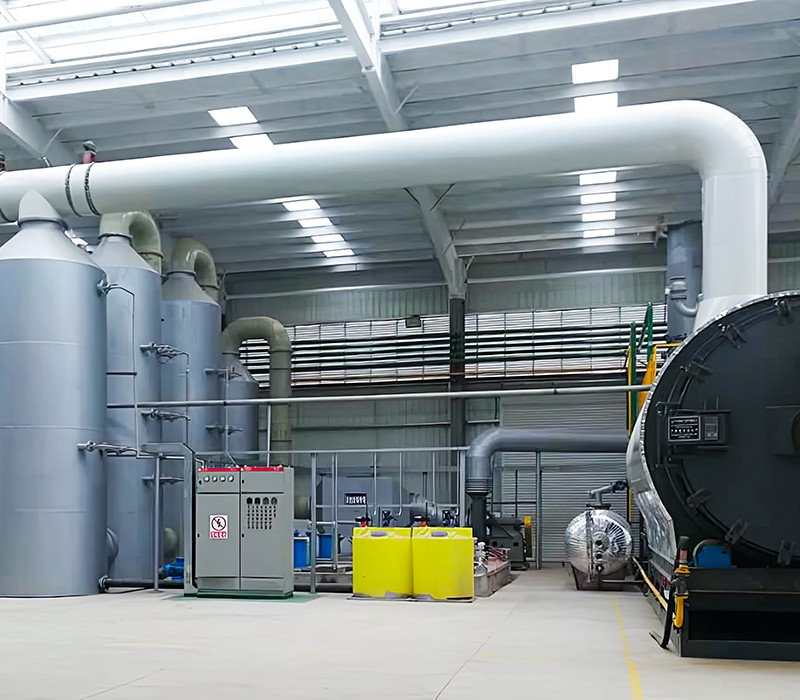
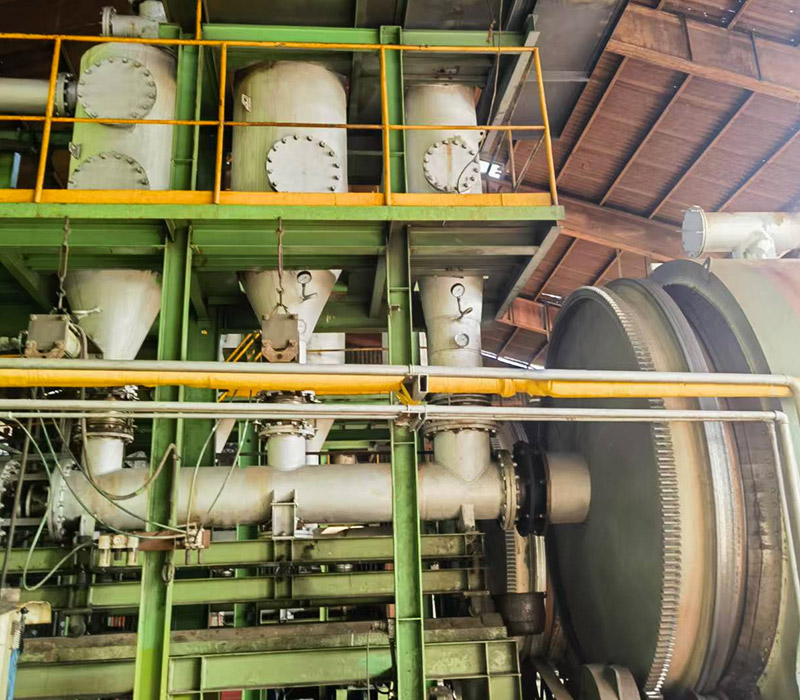
With the increasingly strict environmental regulations, it is particularly important to choose a pyrolysis equipment with excellent environmental performance. The equipment should have an effective exhaust gas treatment system to reduce its impact on the environment and ensure compliance with local environmental standards.
11. User feedback and case studies
Checking feedback and usage cases from existing users before making a purchase can be very helpful. Understanding the usage experience of other users can give you a deeper understanding of the performance and reliability of the device.
12. Production efficiency
The production efficiency of the equipment directly affects your economic benefits. Compare the production efficiency of different devices and select the device that can achieve the best output in the shortest possible time.
13. Flexibility and adaptability
The market demand changes rapidly. Choosing a flexible and adaptable pyrolysis equipment can help you quickly adjust your production strategy to meet different market demands.
14. Technological innovation
Pay attention to the technological innovation of the equipment, such as whether the latest pyrolysis technology has been adopted and whether it has an intelligent control system. These innovations can improve production efficiency and reduce energy consumption.
15. Cost benefit analysis
Finally, a comprehensive cost-benefit analysis should be conducted, taking into account not only the purchase cost of the equipment but also its operational and maintenance costs, in order to select equipment that truly aligns with long-term interests.
By considering the above factors comprehensively, suitable pyrolysis equipment can be better selected.






Let's Pyrolysis!


 +44 7529 150720
  [email protected]
  300 meters east of the South Railway Station in Shangqiu City, Henan Province
  Global Waste-to-Energy Solutions Waste Resource Utilization Equipment Manufacturer

 Profit Calculator
 English
 русский
 Français
 Español
 عربى
عربى