
 10 minutes
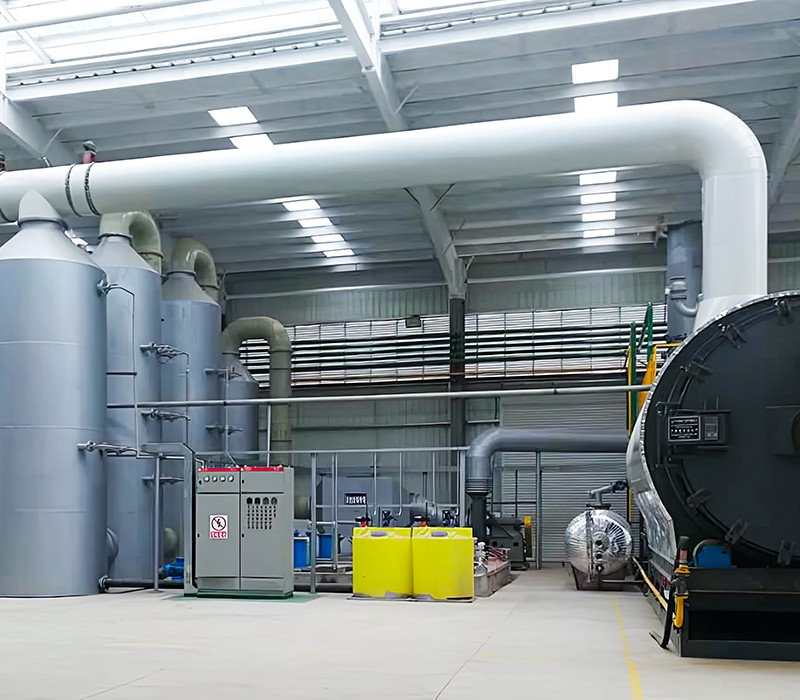
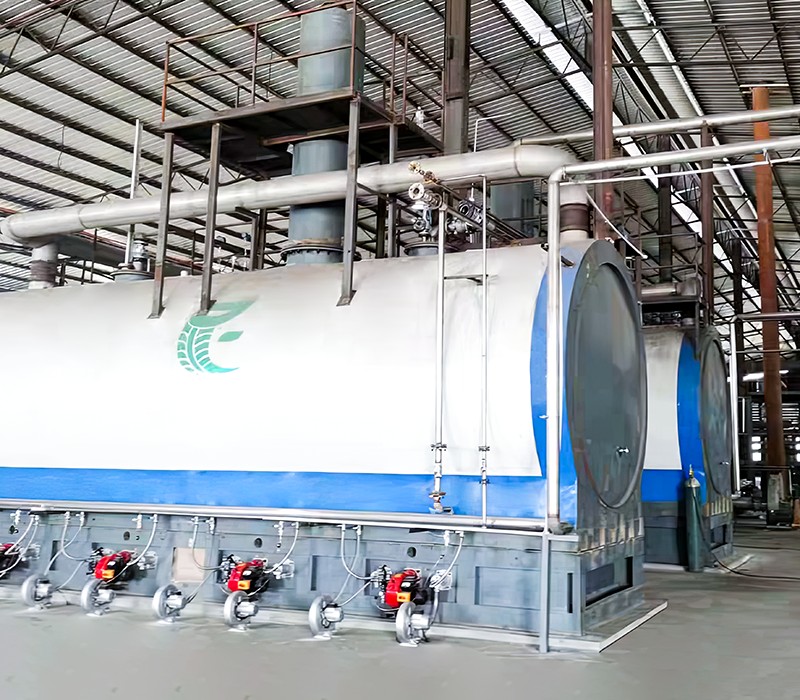
Pyrolysis equipment is a kind of equipment that decomposes organic matter (such as waste tires, plastics, biomass, etc.) into combustible gas, liquid and solid products through high temperature. It is widely used in the field of waste treatment and resource recovery. Its working principle is to heat the waste in an oxygen-deficient or oxygen-free environment to decompose it into small molecular compounds to achieve the purpose of resource utilization. The operation of pyrolysis equipment involves multiple key components, each of which plays an important role in the entire pyrolysis process. This article will introduce the main components of pyrolysis equipment and their functions.
1. Feeding system
The feeding system is the starting part of the pyrolysis equipment to input the raw materials to ensure the continuous and stable progress of the pyrolysis process. The feeding system usually includes the following parts:
(1) Conveyor belt: conveys the raw materials (such as waste tires, plastic fragments, etc.) to the feed port.
(2) Feeding screw: use the screw feeder to slowly and evenly feed the raw materials into the pyrolysis reaction zone to prevent blockage and waste.
(3) Sealed feeding device: In order to prevent air from entering the equipment, the feeding port is usually equipped with a sealing device to ensure that the pyrolysis is carried out under oxygen-free or oxygen-deficient conditions to avoid the risk of combustion caused by oxygen.
2. Pyrolysis reactor
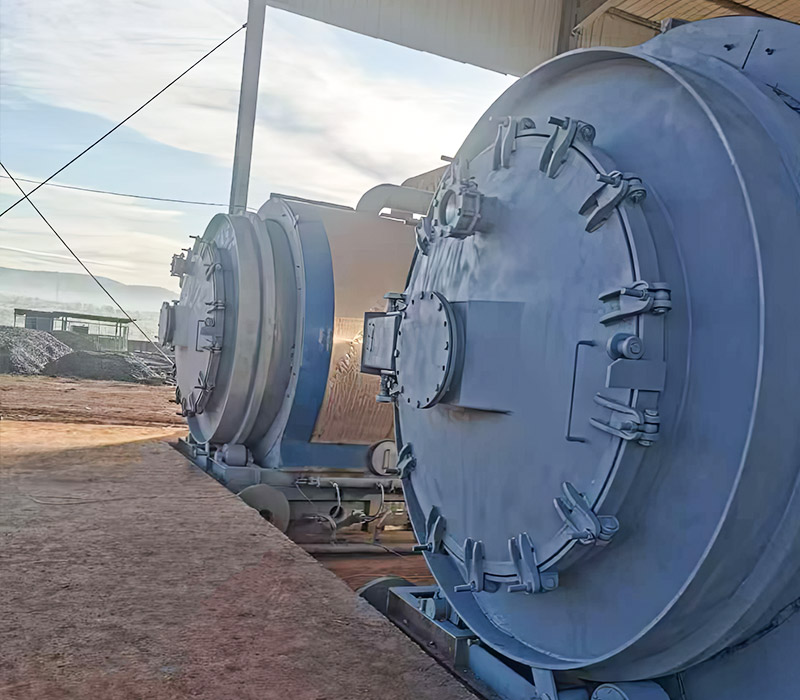
The pyrolysis reactor is the core part of the pyrolysis equipment. Its main function is to provide the raw materials with the high-temperature environment required for the pyrolysis reaction. The reactor usually has the following characteristics:
(1) High-temperature heat-resistant material: The inner wall of the reactor is made of high-temperature heat-resistant material to withstand the high temperature during the pyrolysis process and avoid damage to the equipment.
(2) Constant temperature heating: The temperature is kept constant through the built-in heating device to ensure the stability of the pyrolysis reaction.
(3) Stirring system: Some reactors are equipped with a stirring system that can fully stir the raw materials so that they are heated evenly and achieve higher pyrolysis efficiency.
3. Heating system
The heating system is a key part of providing heat energy for the pyrolysis reaction and usually includes the following devices:
(1) Combustion furnace: Provides heat to the reactor by burning fuel (such as natural gas or non-condensable gas generated during the pyrolysis process). The combustion furnace can maintain a high heating efficiency and reduce the consumption of external energy.
(2) Hot air circulation device: In some high-efficiency pyrolysis equipment, the hot air circulation system can reuse the heat generated during the reaction process to reduce the overall energy consumption of the equipment.
(3) Temperature control device: By real-time monitoring the temperature of the reactor, ensure that the equipment operates within the optimal temperature range to avoid the impact of overheating or overcooling on the reaction effect.
4. Condensation system
The condensation system is responsible for cooling the gaseous products (such as pyrolysis gas) generated during the pyrolysis process into liquid products (such as pyrolysis oil). This part is of great significance for resource recovery. The condensation system mainly includes:
(1) Multi-stage condenser: Some equipment is equipped with a multi-stage condensation system to cool the gas step by step, increase the condensation efficiency, and ensure the output and quality of the pyrolysis oil.
(2) Oil-water separation device: The condensation system will produce a small amount of water. The oil-water separation device can effectively remove the water in the condensed oil and improve the quality of the oil.
5. Non-condensable gas treatment system
Non-condensable gas (such as hydrogen, carbon monoxide, methane, etc.) is a gas that is generated during the pyrolysis process and cannot be condensed. In order to ensure safety and resource utilization, the non-condensable gas treatment system recycles or treats these gases. Its main components include:
(1) Gas purification system: removes impurities and harmful substances in non-condensable gas to ensure the safety of the subsequent combustion process.
(2) Recycling system: recycles non-condensable gas as fuel to provide energy for the heating system, forming a self-sufficient energy cycle.
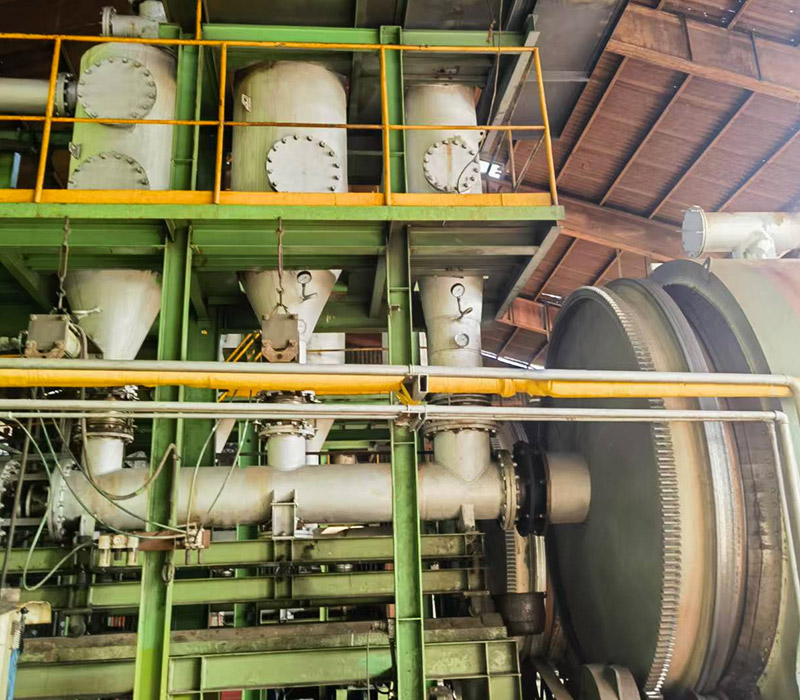
6. Carbon black collection system
Carbon black is one of the solid products of pyrolysis, with high market value, and is widely used in rubber, plastic and other fields. The main task of the carbon black collection system is to collect the solid particles remaining from pyrolysis, and process and package them. Its main components include:
(1) Collection tank: collect and store the carbon black particles remaining from pyrolysis to avoid leakage or pollution.
(2) Dust removal device: Carbon black particles are extremely fine and easy to generate dust. The dust removal device can effectively prevent dust leakage and ensure the cleanliness of the operating environment.
(3) Packaging system: package carbon black particles into standardized specifications to facilitate subsequent sales and use.
7. Control System
Modern pyrolysis equipment is equipped with an automated control system to improve operational safety and production efficiency. The control system usually includes the following functions:
(1) Temperature and pressure monitoring: real-time monitoring of the temperature and pressure of the reactor and heating system to ensure that the equipment operates within the safe parameter range.
(2) Automatic feeding and discharging: control the feeding and discharging process to ensure the continuity of the pyrolysis reaction and reduce manual operation.
(3) Fault alarm system: the equipment will automatically alarm under abnormal conditions to remind the operator to deal with the problem in time to ensure production safety.
(4) Data recording and analysis: the control system records the operating data of the equipment to facilitate subsequent analysis and optimization, and improve the performance and stability of the equipment.
The pyrolysis equipment consists of multiple systems and components, which work together to achieve efficient decomposition and resource utilization of organic matter. The feeding system ensures the smooth entry of raw materials, the heating system provides the high temperature environment required for the reaction, the condensation system is responsible for recovering liquid products, the non-condensable gas treatment system processes and utilizes gaseous products, and the carbon black collection system recovers solid products. The control system ensures the automatic operation of the equipment. With the development of technology, the efficiency and environmental protection of pyrolysis equipment have been continuously improved, providing important support for the energy and resource utilization of waste. In the future, with the application of more innovative technologies, pyrolysis equipment will play a greater role in the fields of environmental protection and energy.






Let's Pyrolysis!


 +44 7529 150720
  [email protected]
  300 meters east of the South Railway Station in Shangqiu City, Henan Province
  Global Waste-to-Energy Solutions Waste Resource Utilization Equipment Manufacturer

 Profit Calculator
 English
 русский
 Français
 Español
 عربى
عربى