
 5 minutes
Batch pyrolysis equipment is a highly efficient system for converting organic waste, plastics, and biomass into bio-oil, syngas, and biochar through controlled thermal decomposition. Its design allows flexible processing, making it suitable for small to medium-scale waste-to-energy operations where continuous operation is not necessary.
This equipment is ideal for industries seeking cost-effective and environmentally responsible solutions to manage agricultural residues, municipal solid waste, or industrial polymers. Below, we explore its structure, operation, efficiency, and practical considerations in depth.
Content
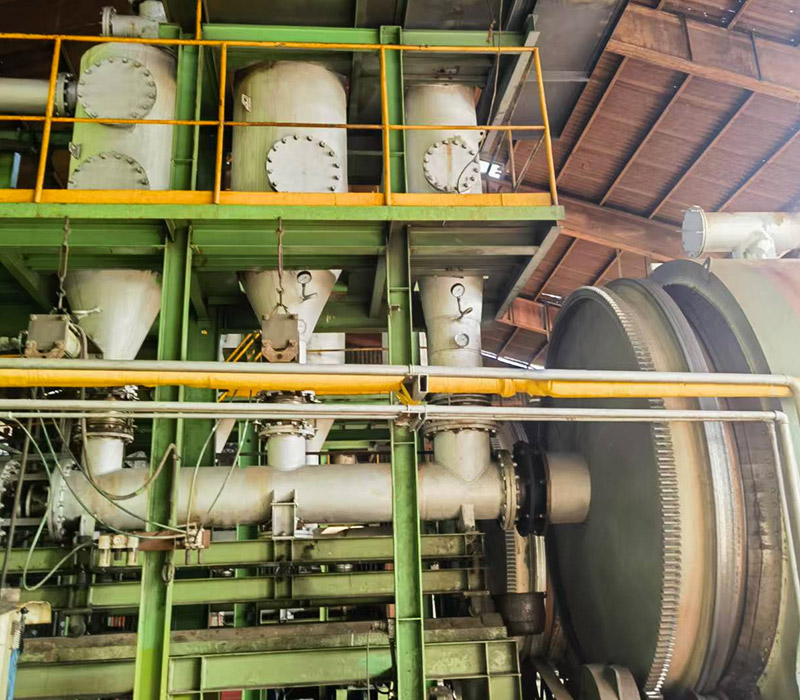
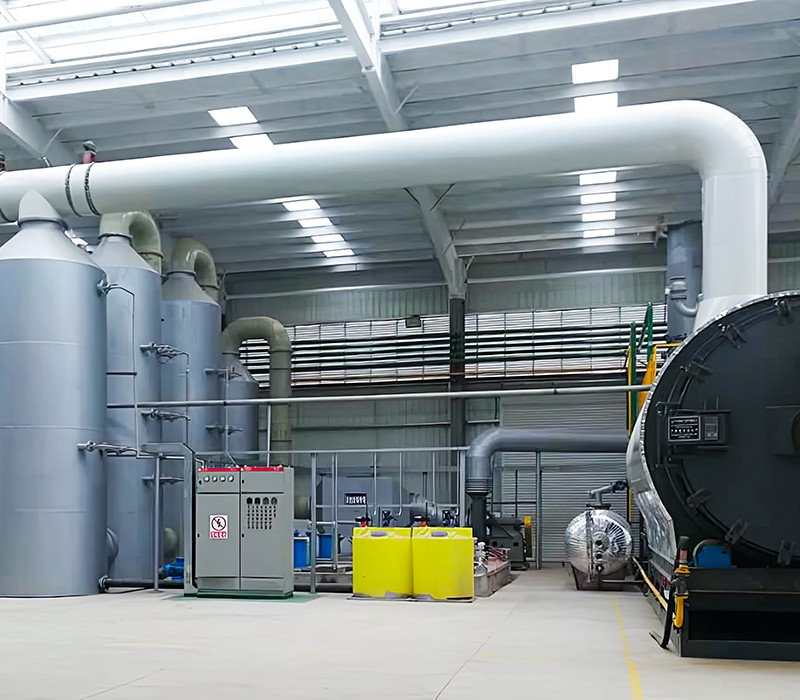
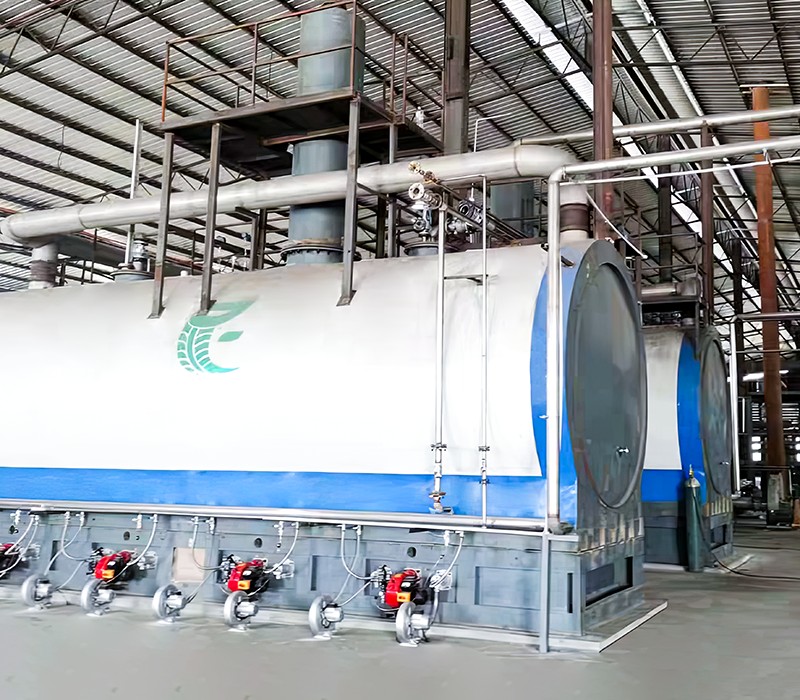
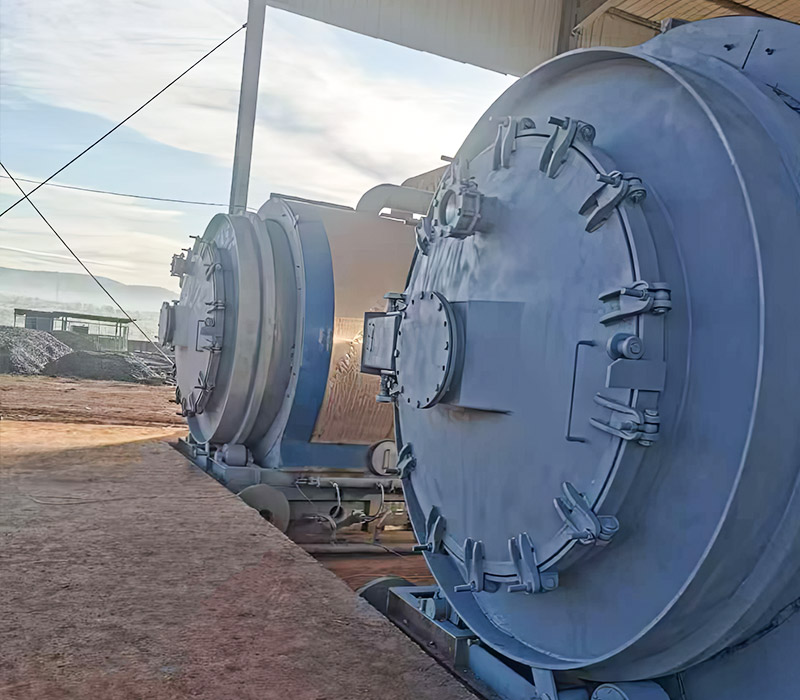
Batch pyrolysis equipment typically consists of a sealed reaction chamber, a heating system, a condensation system for oil recovery, and a gas collection unit. The reaction chamber is made of high-temperature-resistant steel capable of sustaining 400–600°C without deformation.
The heating system can use electricity, gas, or biomass as fuel. Heat is uniformly distributed to ensure complete pyrolysis of the material, while insulation minimizes energy loss.
The reaction chamber often features a rotating drum or fixed retort design. Insulation layers reduce heat leakage, maintaining stable temperatures and improving energy efficiency by up to 15–20%.
Batch pyrolysis involves loading the feedstock, sealing the chamber, heating to the target temperature, holding for a specified duration, and then cooling before discharge. Typical batch times range from 6 to 12 hours depending on material type and moisture content.
During pyrolysis, volatile gases are generated and directed to a condensation unit to recover bio-oil, while non-condensable gases can be recycled as fuel for heating, increasing overall energy efficiency.
Batch pyrolysis equipment can process a wide range of feedstock, including agricultural residues like rice husks, corn stalks, and sawdust, as well as plastics such as polyethylene and polypropylene.
Moisture content should ideally be below 15% to optimize pyrolysis efficiency and prevent excessive energy consumption for drying.
The efficiency of batch pyrolysis equipment depends on insulation, heating method, and feedstock composition. Typical yields for biomass feedstock are:
| Feedstock | Biochar (%) | Bio-oil (%) | Syngas (%) |
|---|---|---|---|
| Rice husk | 25–30 | 35–40 | 30–35 |
| Corn stalk | 28–33 | 32–38 | 30–32 |
Batch pyrolysis reduces solid waste volume and produces biochar that can improve soil fertility or serve as a carbon sequestration agent. Non-condensable gases can be combusted cleanly, minimizing harmful emissions.
Modern units often include gas scrubbing systems to remove particulates and acidic gases, ensuring compliance with environmental regulations.
Batch pyrolysis equipment is constructed from high-grade steel with wear-resistant linings to withstand high temperatures. Regular maintenance includes inspection of seals, cleaning of condensers, and monitoring of gas lines.
Safety features such as pressure relief valves, thermal sensors, and automatic shut-off mechanisms are critical for preventing accidents during operation.
Batch pyrolysis equipment offers a flexible, cost-effective, and environmentally responsible method for converting waste into energy and valuable byproducts. Its simple operation, combined with high output quality, makes it ideal for small to medium-scale facilities.
For industries looking to manage waste efficiently while producing bio-oil, syngas, and biochar, batch pyrolysis equipment provides a reliable, versatile, and sustainable solution.







Let's Pyrolysis!


 +44 7529 150720
  [email protected]
  300 meters east of the South Railway Station in Shangqiu City, Henan Province
  Global Waste-to-Energy Solutions Waste Resource Utilization Equipment Manufacturer

 Profit Calculator
 English
 русский
 Français
 Español
 عربى
عربى