
 5 minutes
Content
A food waste disposer (also called a garbage disposal or food waste disposal unit) is an electrically powered device installed under a kitchen sink that shreds food scraps into fine particles small enough to pass through plumbing. It is one of the most practical tools for reducing household food waste at the source, eliminating the need to scrape leftovers into a bin and cutting down on kitchen odors significantly.
The device works by using a high-speed spinning plate (called an impeller) and grinding rings to break down soft and semi-soft food waste. Water flushes the particles through your home's drain and into the municipal sewer or septic system. Most units operate between 1/3 HP and 1 HP and can process a typical meal's worth of scraps in under 30 seconds.
Not all disposers are the same. Choosing the wrong type for your household can lead to frequent jams, poor performance, or unnecessary cost. There are two main categories:
These activate with a wall switch and run continuously while the switch is on. You can keep adding food scraps during operation. They are the most common type in Western households and are ideal for high-volume kitchens or families who cook frequently. Prices typically range from $80 to $400 depending on motor size and brand.
These operate only when a stopper or cover is inserted and twisted. They are considered safer (the opening is covered during operation) and quieter, making them a strong choice for households with young children. However, they process food in fixed loads and are generally 20–30% more expensive than comparable continuous feed models.
| Feature | Continuous Feed | Batch Feed |
|---|---|---|
| Activation Method | Wall switch | Stopper/cover twist |
| Convenience | High | Moderate |
| Safety | Moderate | High |
| Noise Level | Moderate to Loud | Quieter |
| Price Range | $80–$400 | $150–$500+ |
| Best For | High-volume households | Families with children |
A common reason disposers jam or break prematurely is users putting the wrong items in them. Knowing the limits of your unit protects both the device and your plumbing.
Selecting a disposer is more than picking a brand. The right match depends on your household size, plumbing compatibility, and budget. Here are the key factors to evaluate:
Motor size is the single most important spec. A 1/3 HP motor suits a single person or couple with light food preparation. A 1/2 HP motor is the sweet spot for most families (3–4 people). If you cook frequently or have 5+ people in the household, a 3/4 HP or 1 HP model handles tougher loads and is far less likely to jam.
Standard disposers can be quite loud — around 80 decibels, comparable to a garbage truck. Premium models with anti-vibration mounts and sound shields operate closer to 40–50 dB. If your kitchen is open-plan or adjacent to living spaces, sound insulation is worth paying for.
Entry-level units grind in a single stage. Premium models offer two or three grinding stages, producing finer particles that are less likely to clog pipes. Multi-stage grinding is especially beneficial if your home has older plumbing.
Most disposers use either a 3-bolt mount (standard for InSinkErator and many compatible brands) or an EZ mount. If you are replacing an existing unit, check which mount type your sink already has to simplify installation.
Homes on septic systems need a disposer specifically rated for septic use. These models inject enzyme packets that accelerate breakdown of organic waste in the septic tank. Using a standard disposer on a septic system can increase tank sludge by up to 20%, according to industry guidelines.
Yes — most food waste disposers are DIY-friendly for anyone comfortable with basic plumbing. The process typically takes 1–2 hours and requires no special tools beyond a screwdriver, pliers, and plumber's putty.
Professional installation costs between $100 and $250 in labor, depending on region. Hiring a plumber is advisable if your drain line needs rerouting or if your electrical setup is complex.
A well-maintained food waste disposer can last 10–15 years. Most failures are preventable with a few simple habits.
The environmental case for food waste disposers is nuanced. On one hand, they divert organic waste from landfills, where food decomposes anaerobically and generates methane — a greenhouse gas roughly 28 times more potent than CO₂ over a 100-year period.
On the other hand, disposers add organic load to wastewater treatment plants, which must process it. Studies from cities including New York and San Francisco found that wastewater plants can capture energy from food waste solids through anaerobic digestion, converting them into biogas used to power the plant. In those systems, disposers can have a net-positive environmental footprint compared to landfill disposal.
In areas with modern water treatment infrastructure, food waste disposers are a genuinely low-impact option. In regions with stressed water supplies or outdated sewer systems, composting may be a better choice. The ideal solution for most households is a combination: compost what you can, dispose of the rest.
The market is dominated by a handful of brands, each with a clear positioning. Below is an objective summary of commonly recommended models across price points:
| Model | Motor | Type | Best For | Est. Price |
|---|---|---|---|---|
| InSinkErator Badger 5 | 1/2 HP | Continuous | Budget households | ~$100 |
| Moen GXS75C | 3/4 HP | Continuous | Average family | ~$160 |
| InSinkErator Evolution Excel | 1 HP | Continuous | Large families, quiet operation | ~$350 |
| Waste King L-8000 | 1 HP | Continuous | High-volume, value seekers | ~$200 |
| InSinkErator Model 5 (Batch) | 3/4 HP | Batch Feed | Households with young children | ~$280 |
InSinkErator and Waste King dominate the U.S. market, while brands like Franke, Whirlaway, and KitchenAid offer strong alternatives in international markets. Warranty length is a reliable proxy for build quality — entry-level units carry 1–2 year warranties, while premium models often offer 8–12 years in-home service warranties.
Most food waste disposer issues are fixable without a service call. Here are the most frequent problems and what to do:
This almost always means the impeller is jammed. Turn the unit off, insert the hex wrench into the bottom port, and rotate back and forth to free the obstruction. Then press the reset button and try again.
Check the reset button first — it may have tripped due to overheating. Also verify the outlet has power and inspect the wiring if hardwired. A disposer that trips the reset repeatedly often has a failing motor and may need replacement.
Leaks from the top of the unit usually indicate a worn sink flange seal (reseal with plumber's putty). Leaks from the side typically come from loose discharge tube connections. Leaks from the bottom of the unit indicate a cracked grinding chamber — in this case, replacement is more economical than repair.
Odors usually come from food trapped in the rubber splash guard or inside the grinding chamber. Cleaning the underside of the splash guard with a brush and dish soap, combined with the ice-and-citrus method, resolves most cases within a day or two.
For most households connected to a municipal sewer system, a food waste disposer is a practical, cost-effective upgrade that improves kitchen hygiene, reduces trash volume, and cuts down on organic waste going to landfill. The upfront investment — typically $100–$350 for the unit plus installation — pays back in convenience within months for households that cook regularly.
If you are on a septic system, the case is more conditional: use a septic-safe model and have your tank inspected more frequently (annually rather than every 3–5 years) to manage the increased load.
The key to getting long-term value is simple: match the motor to your household size, follow the safe-use guidelines, and clean the unit monthly. Do that, and a good food waste disposer will serve your kitchen reliably for well over a decade.

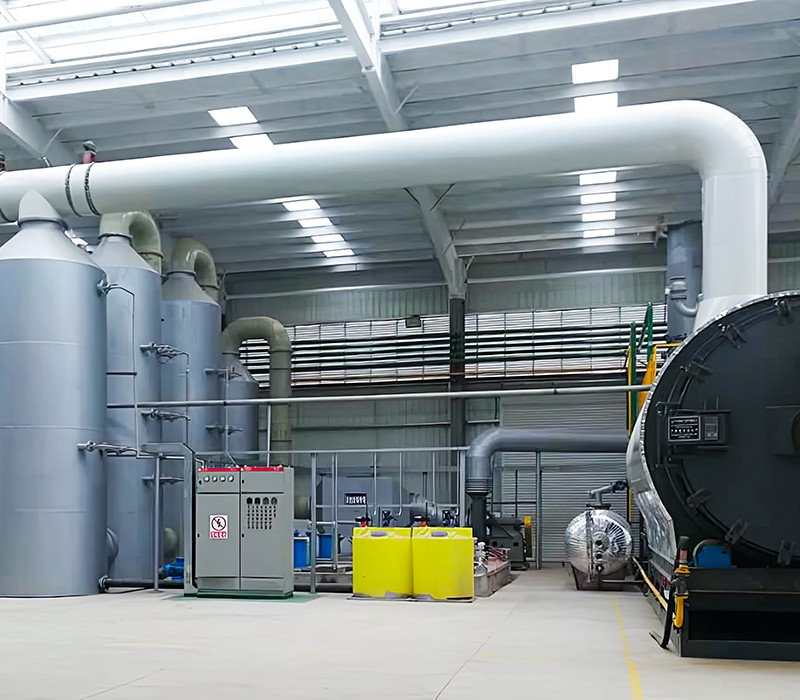
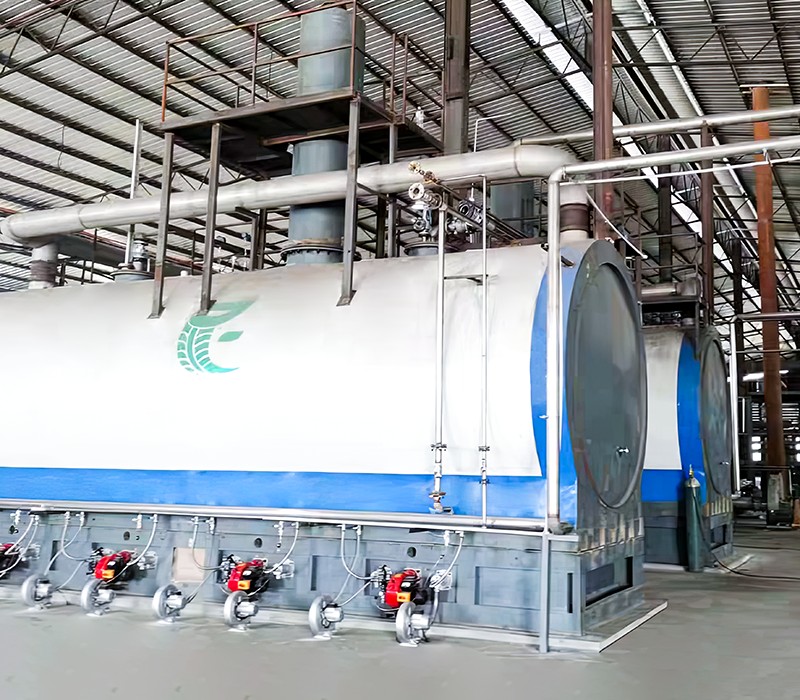


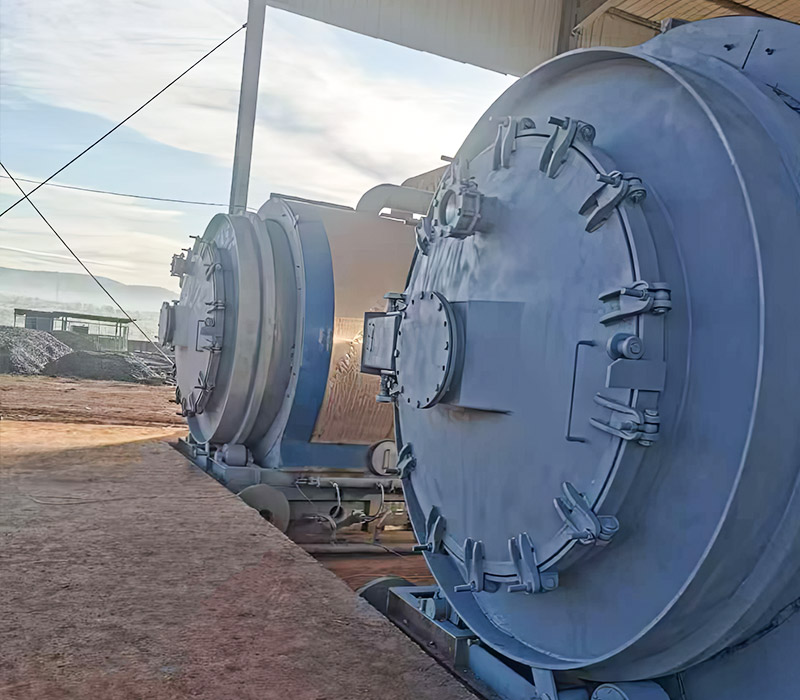
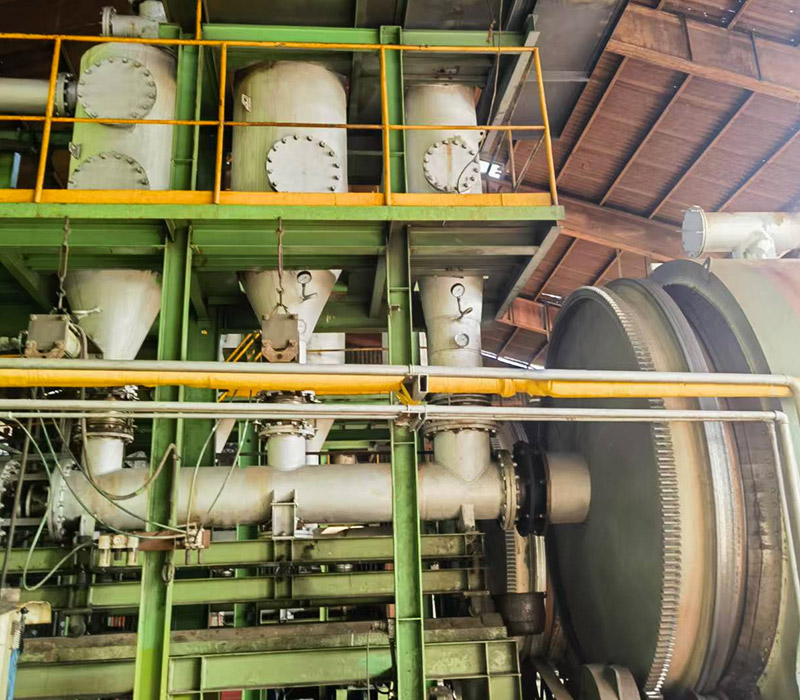



Let's Pyrolysis!


 +44 7529 150720
  [email protected]
  300 meters east of the South Railway Station in Shangqiu City, Henan Province
  Global Waste-to-Energy Solutions Waste Resource Utilization Equipment Manufacturer

 Profit Calculator
 English
 русский
 Français
 Español
 عربى
عربى