
 10 minutes
As global attention to environmental issues increases, many countries have introduced waste reduction policies aimed at reducing waste generation, improving resource recovery rates, and promoting sustainable development. Waste management, as an important part of environmental protection, has attracted significant policy attention. Among the various waste treatment technologies, pyrolysis technology has become a key technique in waste reduction policies due to its high efficiency and low pollution. This article explores the application of pyrolysis technology in waste reduction policies and how it promotes resource recovery and environmental protection.
I. Overview of Pyrolysis Technology
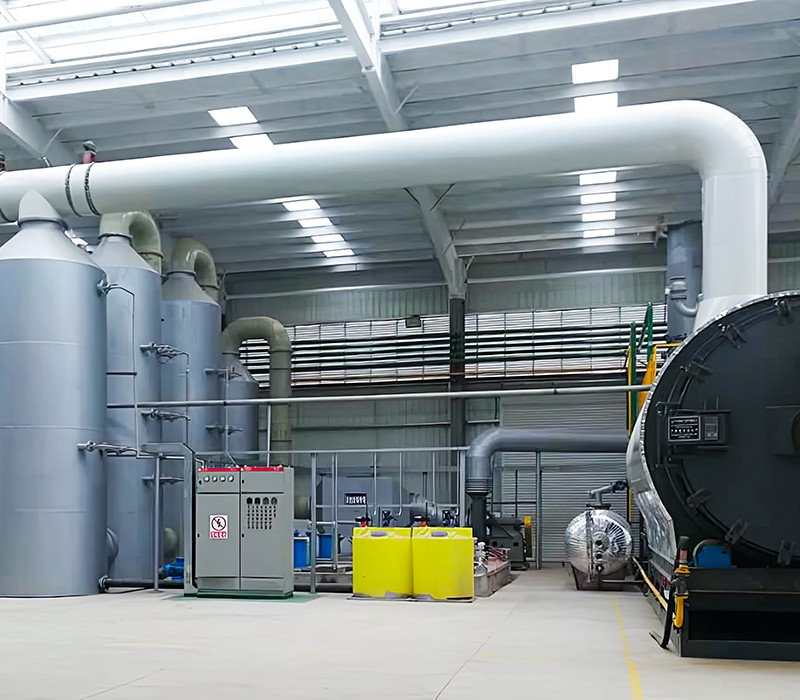
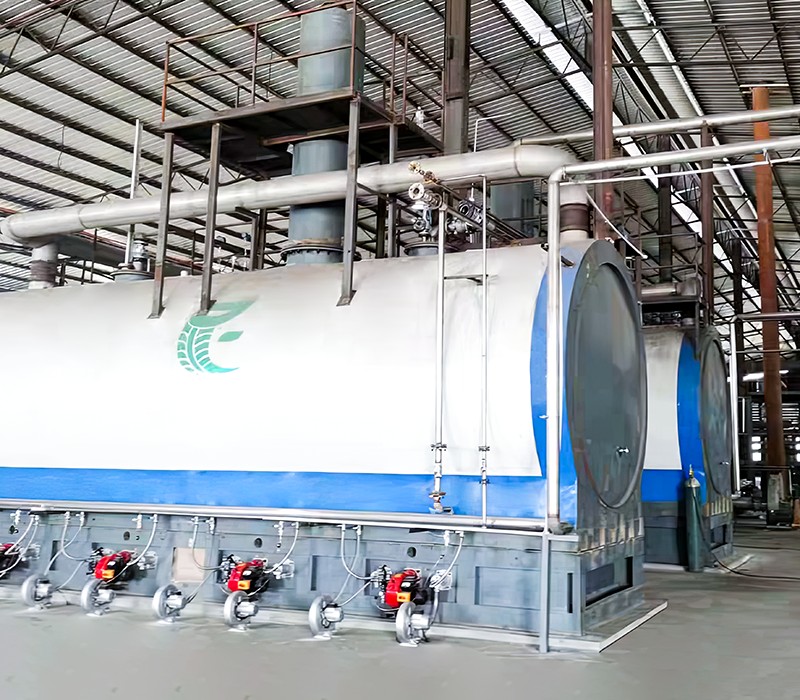
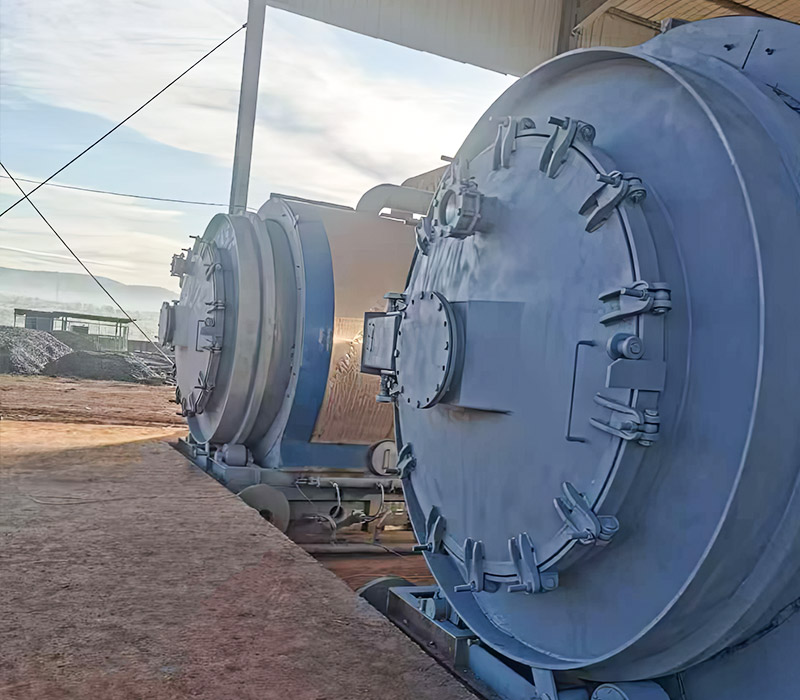
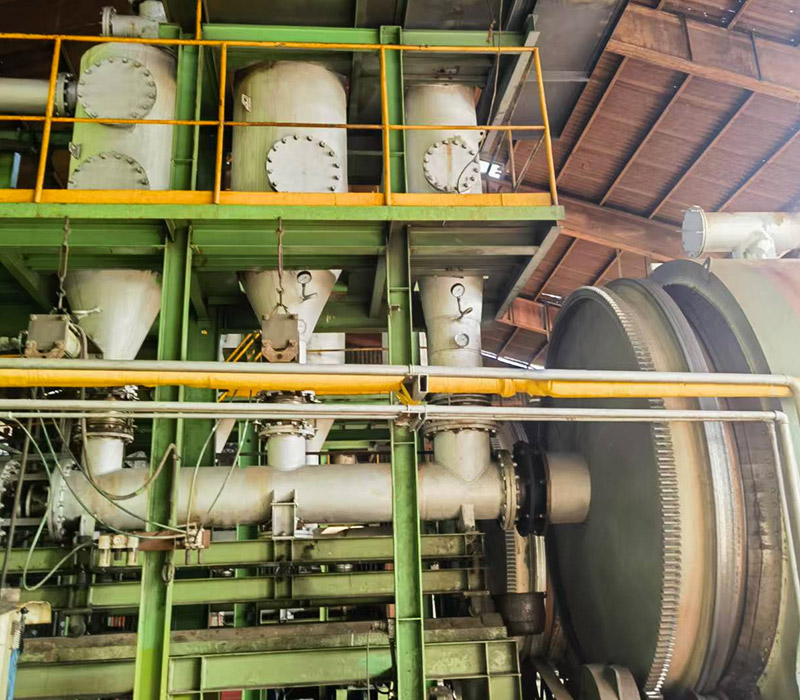
Pyrolysis is a process in which organic waste is heated to high temperatures in an oxygen-limited or oxygen-free environment, breaking down its molecular structure. Unlike incineration and landfill, pyrolysis not only effectively reduces the volume of waste but also converts it into valuable resources such as fuel oil, natural gas, and carbon black. Due to its energy recovery efficiency and low pollution emissions, pyrolysis technology has gradually become an important method for treating waste, especially plastic waste, used tires, municipal waste, and other organic materials.
II. Applications of Pyrolysis Technology in Waste Reduction Policies
Reducing Waste Accumulation: Traditional waste management methods often rely on landfills and incineration. However, landfills consume large amounts of land and carry risks of soil and water pollution, while incineration may release harmful gases, contributing to air pollution. Pyrolysis, in contrast, can significantly reduce the volume of waste in an oxygen-limited environment, decreasing the amount of waste accumulation and alleviating landfill problems. The gases and liquids produced during pyrolysis can also be used as energy, effectively converting waste into renewable resources and reducing environmental burden.
Promoting Resource Recycling: Pyrolysis technology can convert waste into recyclable energy and raw materials such as fuel oil, natural gas, and carbon black. These by-products can be used as clean energy or as chemical feedstocks for industrial production. For example, the fuel oil produced during pyrolysis can be used for power generation and transportation, natural gas for heating, and carbon black for the rubber and plastic industries. Pyrolysis technology has greatly enhanced the resource utilization of waste, contributing to the development of a circular economy.
Compliance with Environmental Policies: With stricter environmental regulations globally, many countries have set higher standards for waste management, especially concerning the control of harmful gas emissions like dioxins, nitrogen oxides, and sulfur dioxide. Compared to incineration, pyrolysis technology produces significantly lower emissions, especially in terms of dioxins and heavy metals. As a result, many waste reduction policies have prioritized pyrolysis technology as a preferred waste treatment method, offering policy support for its application.
Promoting the Use of Clean Energy: Pyrolysis technology not only provides an effective waste treatment solution but also promotes the use of clean energy. The fuel oil and natural gas produced during pyrolysis can replace traditional fossil fuels, reducing dependence on non-renewable energy sources. Furthermore, pyrolysis itself recovers a certain amount of heat, improving energy efficiency and reducing energy waste. This makes pyrolysis technology an important tool in addressing climate change, reducing carbon emissions, and achieving energy transition.
III. Applications of Pyrolysis Technology in Treating Different Types of Waste
Plastic Waste: Plastic waste recycling has long been a significant challenge globally. Traditional recycling methods primarily rely on mechanical and chemical recycling, but these methods cannot handle all types of plastics, particularly multi-layered composites and contaminated plastics. Pyrolysis technology can process various types of plastic waste and convert them into high-value raw materials such as fuel oil and carbon black, reducing plastic waste accumulation and minimizing environmental hazards.
Used Tires: The recycling of used tires is another pressing issue. Traditional methods mainly rely on landfilling and incineration, which fail to effectively reduce the environmental impact of waste tires. Pyrolysis technology can convert used tires into fuel oil, natural gas, and carbon black, which can be used as energy or as chemical feedstocks for industrial production, promoting resource recycling.
Municipal and Organic Waste: Traditional waste management methods, such as landfill and incineration, have limitations in efficiency and environmental impact when dealing with mixed waste and organic waste. Pyrolysis provides an environmentally friendly and efficient solution by converting these materials into usable energy and chemicals.
IV. Conclusion
As an advanced waste treatment method, pyrolysis technology plays a vital role in waste reduction policies. By effectively reducing waste accumulation, promoting resource recycling, and decreasing harmful emissions, pyrolysis technology not only helps solve environmental pollution problems but also facilitates green development and the achievement of sustainable economic goals. With continued technological advancements and increased policy support, the application of pyrolysis technology in waste reduction policies is expected to grow, making it an increasingly important tool in future waste management strategies.






Let's Pyrolysis!


 +44 7529 150720
  [email protected]
  300 meters east of the South Railway Station in Shangqiu City, Henan Province
  Global Waste-to-Energy Solutions Waste Resource Utilization Equipment Manufacturer

 Profit Calculator
 English
 русский
 Français
 Español
 عربى
عربى