
 3 minutes
1. Product-Oriented Business Models
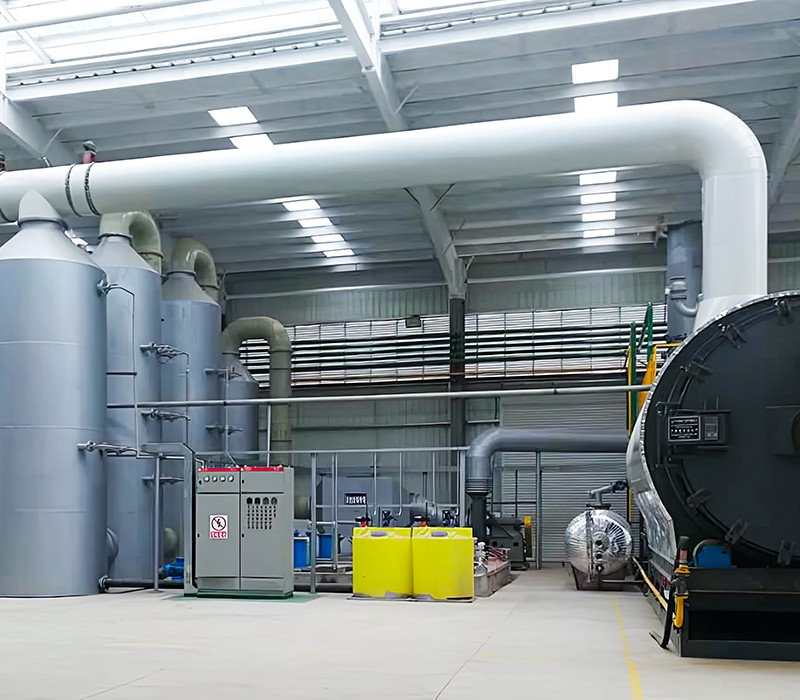
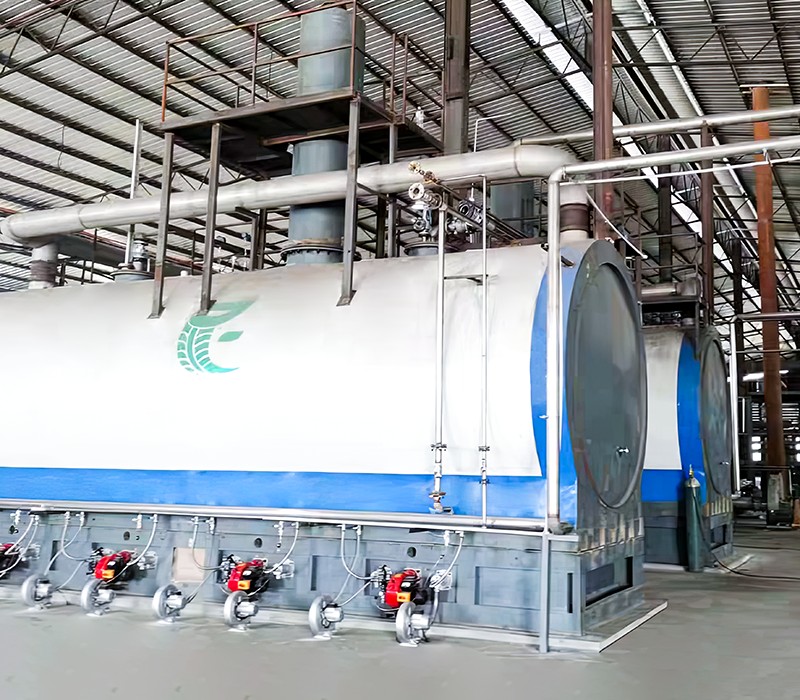
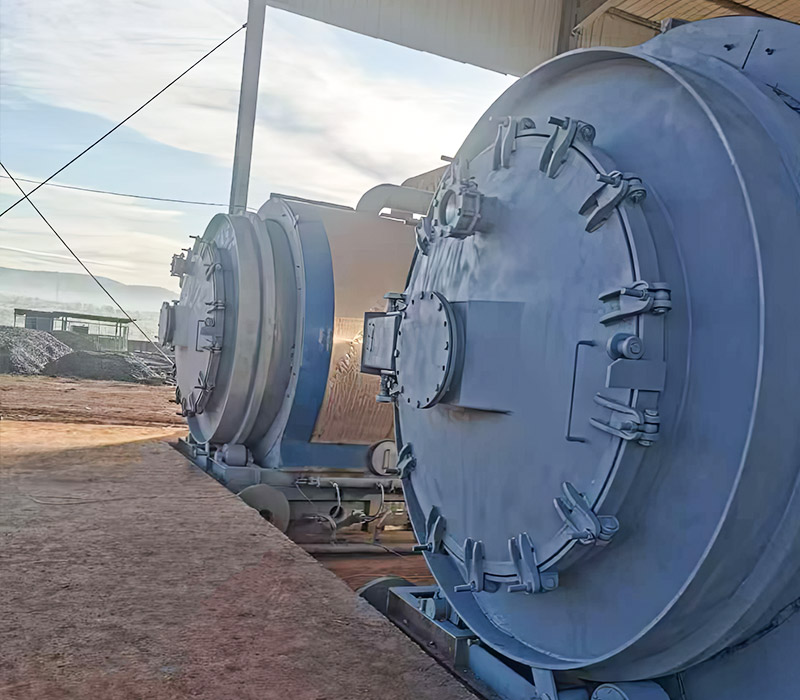
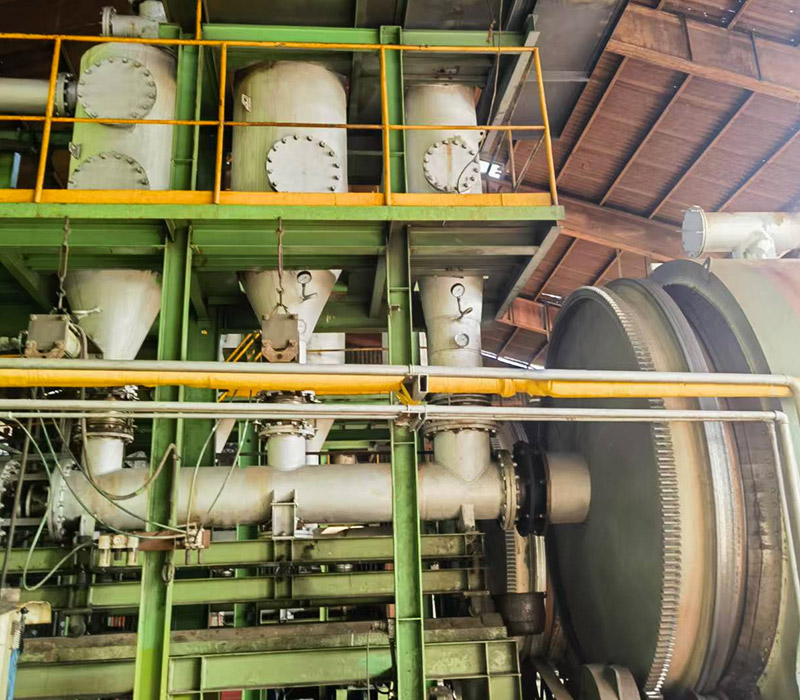
One of the primary business models in pyrolysis technology revolves around product generation. Pyrolysis produces bio-oil, biochar, and syngas, each with diverse market applications. Companies adopting this model focus on producing and marketing these products to industries such as energy, agriculture, and manufacturing. For example, bio-oil serves as a renewable fuel, while biochar is in demand for soil enhancement and carbon sequestration. This model emphasizes efficient production, quality control, and developing strategic partnerships with end-users to ensure a steady revenue stream.
2. Service-Based Business Models
Another promising approach is offering pyrolysis as a service. This model targets waste management sectors by providing a sustainable solution for processing organic waste like agricultural residues, plastics, and tires. Companies operate pyrolysis facilities and charge clients, such as municipalities or industries, for waste conversion services. The added value comes from reducing landfill use, cutting waste disposal costs, and generating valuable by-products during the process. This service-based model not only ensures environmental benefits but also builds long-term client relationships.
3. Integrated and Circular Economy Models
The integrated business model combines waste-to-resource processes with broader sustainability goals. Pyrolysis facilities can function within circular economy frameworks by recycling waste, generating energy, and returning useful materials back to industries. For instance, biochar from pyrolysis can be used in agriculture, creating a closed-loop system. Moreover, collaborations with renewable energy providers can enhance energy recovery efficiency, creating synergies across sectors. This model promotes innovation, resilience, and a sustainable approach to resource utilization, positioning pyrolysis as a key enabler of a circular economy.






Let's Pyrolysis!


 +44 7529 150720
  [email protected]
  300 meters east of the South Railway Station in Shangqiu City, Henan Province
  Global Waste-to-Energy Solutions Waste Resource Utilization Equipment Manufacturer

 Profit Calculator
 English
 русский
 Français
 Español
 عربى
عربى