
 3 minutes
1. The Role of Heat in Pyrolysis
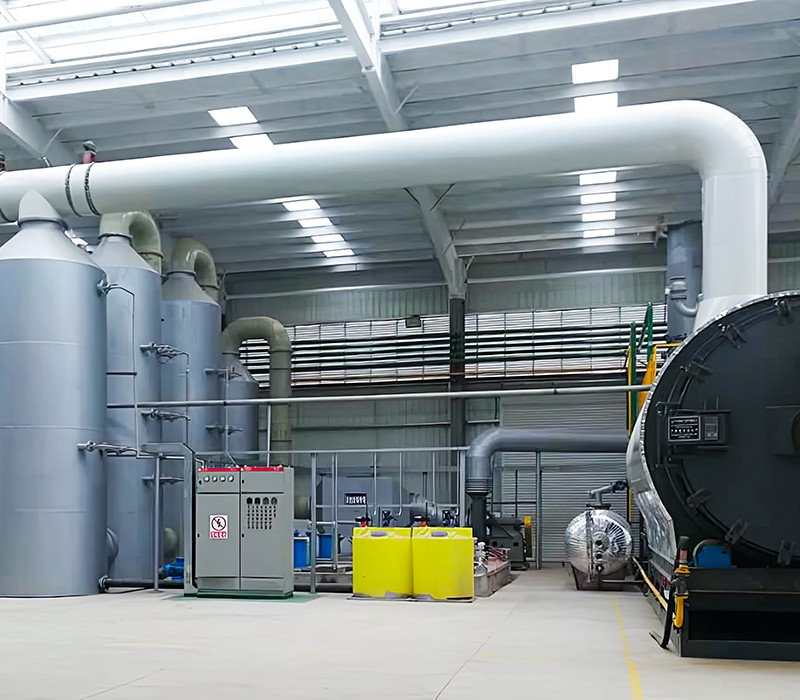
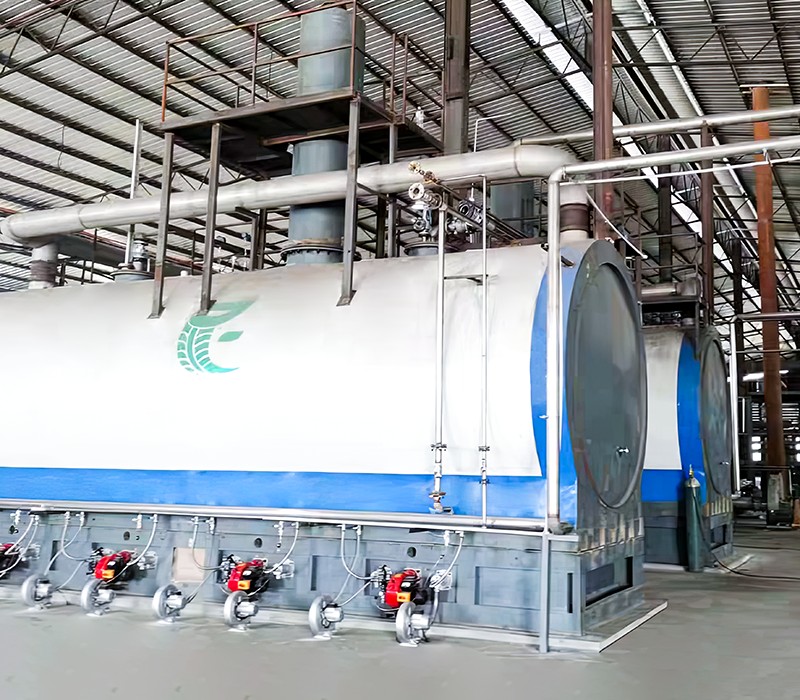
Pyrolysis relies on high temperatures to break down organic materials into valuable products like bio-oil, syngas, and biochar. However, the process generates a significant amount of waste heat. Efficient heat recovery systems can capture this thermal energy for reuse, reducing the overall energy input required. This not only enhances the process's energy efficiency but also lowers operational costs. By optimizing heat utilization, pyrolysis facilities can achieve greater sustainability, making the process more economically and environmentally viable.
2. Techniques for Heat Recovery
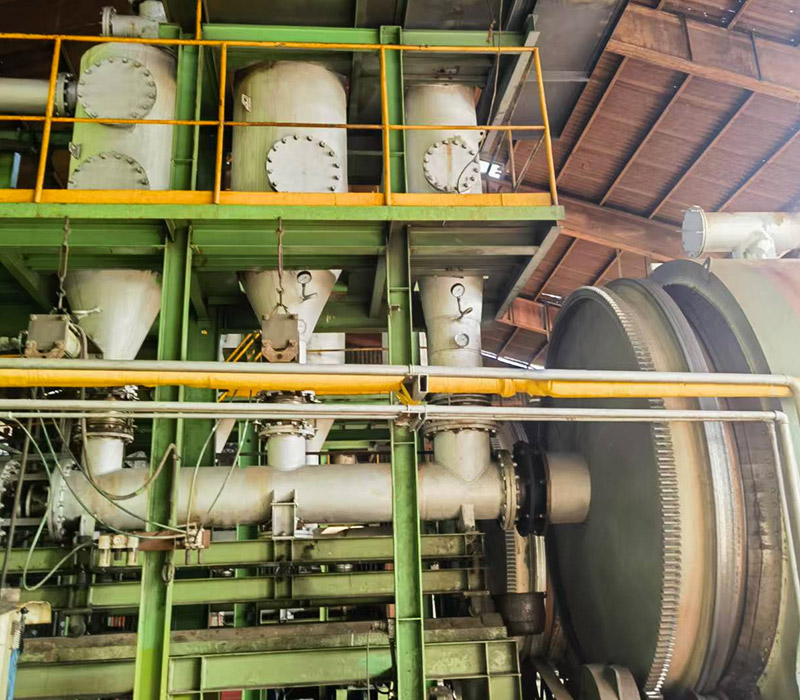
Various techniques are employed to recover heat in pyrolysis systems. One common method involves using heat exchangers to capture heat from exhaust gases and redirect it to preheat incoming feedstock. Another approach is thermal integration, where waste heat is used to maintain the reaction temperature or drive auxiliary processes like drying raw materials. Advanced systems may even convert excess heat into electricity using thermoelectric generators or steam turbines. These techniques maximize energy utilization, reduce emissions, and enhance the system's overall efficiency.
3. Benefits and Challenges of Heat Recovery
Heat recovery in pyrolysis offers numerous benefits, such as reduced fuel consumption, lower greenhouse gas emissions, and improved process sustainability. However, implementing heat recovery systems comes with challenges, including high initial investment and the need for precise engineering to prevent energy losses. Additionally, variations in feedstock composition can affect the consistency of heat generation, requiring adaptive system designs. Despite these challenges, the long-term advantages of reduced operational costs and environmental impact make heat recovery an essential aspect of modern pyrolysis systems.






Let's Pyrolysis!


 +44 7529 150720
  [email protected]
  300 meters east of the South Railway Station in Shangqiu City, Henan Province
  Global Waste-to-Energy Solutions Waste Resource Utilization Equipment Manufacturer

 Profit Calculator
 English
 русский
 Français
 Español
 عربى
عربى