
 8 minutes
Pyrolysis technology is a process that breaks down organic materials by heating them in the absence or limited presence of oxygen. It is widely used in waste treatment and energy production. With increasing environmental awareness, the application of pyrolysis equipment in biomass energy and waste resource utilization is growing. One of the key evaluation criteria is the energy efficiency of pyrolysis equipment, which directly affects the operational costs, energy utilization, and overall economic and environmental benefits.
Overview of Pyrolysis Equipment Energy Efficiency
The pyrolysis process is essentially a thermochemical reaction, where equipment consumes energy to reach the required temperatures, thus initiating the decomposition of materials.
The energy efficiency of pyrolysis equipment is influenced by several factors, including heating efficiency, the design of energy recovery systems, and the control of operating temperatures.
1. Heating Efficiency
Heating efficiency is one of the critical indicators of energy efficiency in pyrolysis equipment. During pyrolysis, the equipment needs to heat the feedstock to high temperatures (usually between 350°C and 800°C) to decompose it into gas, oil, and char. Equipment with high heating efficiency can achieve rapid heating and efficient decomposition with lower energy consumption, improving overall energy efficiency.
2. Energy Recovery System
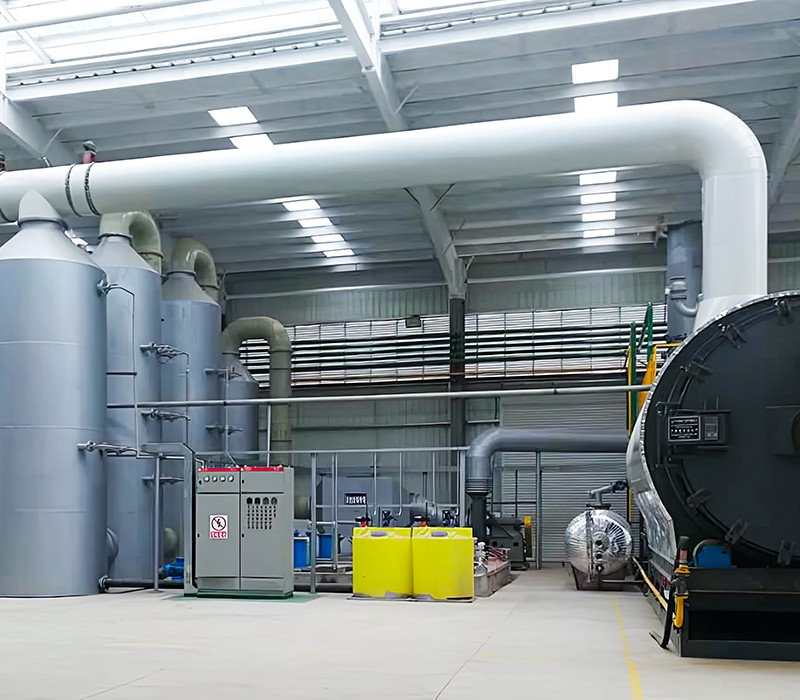
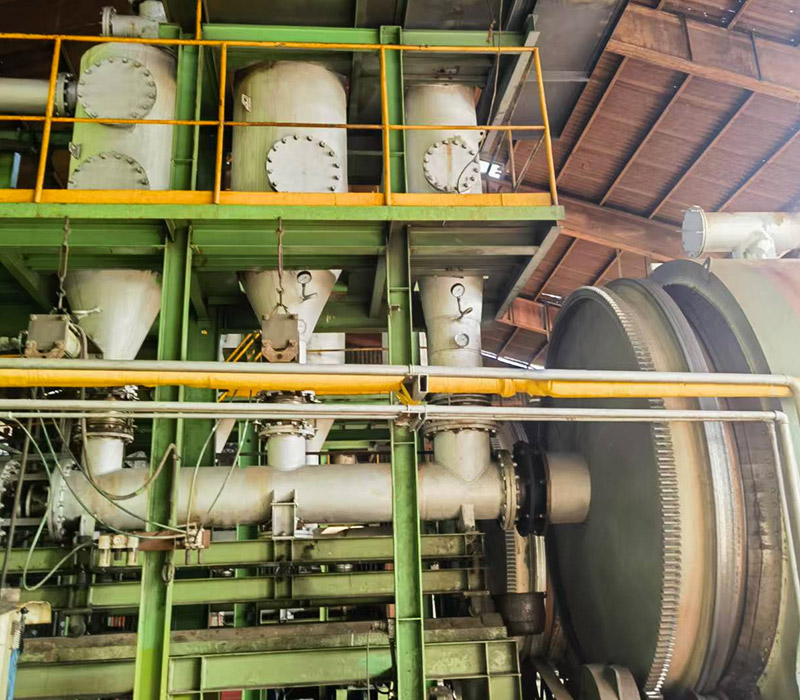
Modern pyrolysis equipment often comes with an energy recovery system that can recover gases (such as syngas) or heat generated during the pyrolysis process for reuse. This not only reduces the need for external energy sources but also significantly improves the overall energy efficiency of the system. For example, syngas can be used as fuel to maintain the heating process, reducing reliance on external energy.
3. Temperature Control
Temperature control is another key factor affecting the efficiency of the pyrolysis reaction. Too high or too low temperatures can impact the quality and quantity of pyrolysis products, thus affecting the energy efficiency of the equipment. With precise temperature adjustments and intelligent control systems, a more stable and efficient pyrolysis process can be achieved, enhancing overall energy efficiency.
Ways to Improve Pyrolysis Equipment Energy Efficiency
1. Optimize Pyrolysis Reactor Design
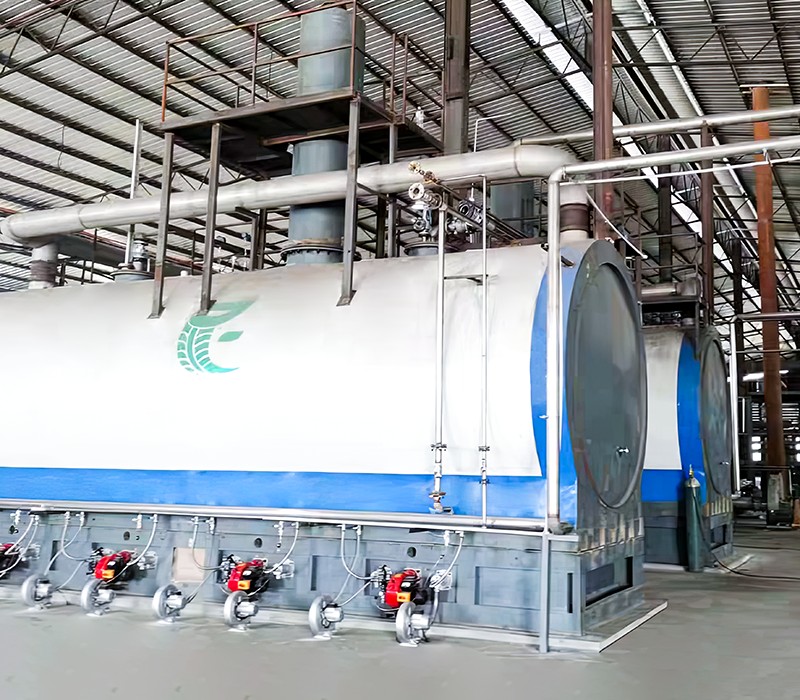
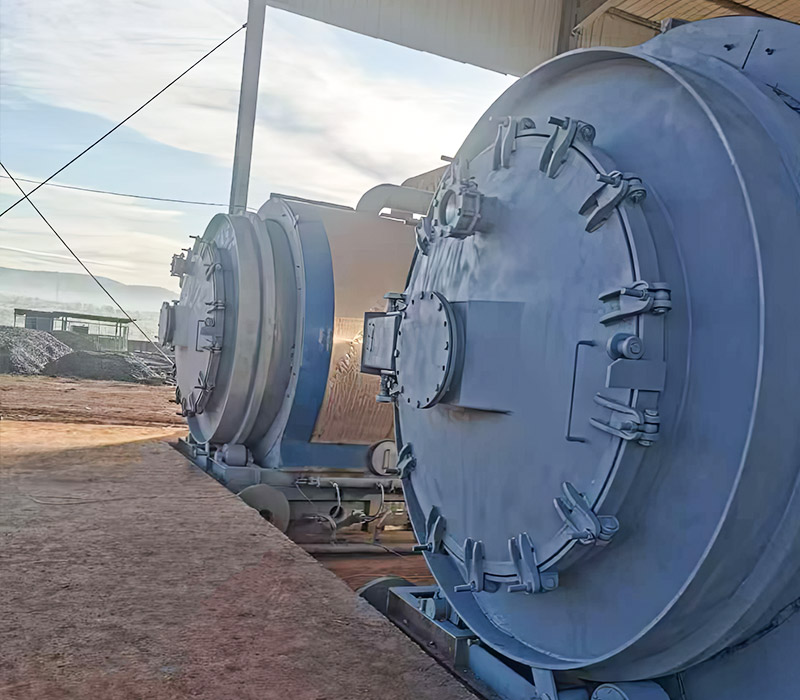
Design optimization is an important way to improve the energy efficiency of the equipment. For example, using a double-layer reactor design with an insulating layer in the middle can reduce heat loss and maintain a high-temperature environment, improving pyrolysis efficiency.
2. Use Efficient Combustion Systems
Using efficient combustion systems (such as gasifiers or gas-fired boilers) ensures that the heat in the pyrolysis equipment is concentrated and transferred efficiently, thereby improving heating efficiency and overall energy efficiency.
3. Smart Control and Automation
Intelligent control systems can monitor and adjust the operating conditions of the equipment in real-time, automatically regulating parameters such as temperature and pressure to ensure the equipment always operates at optimal levels, thus improving energy efficiency.
4. Comprehensive Energy Utilization
Pyrolysis equipment not only recovers and reuses syngas generated during pyrolysis but can also incorporate waste heat recovery systems to use residual heat for feeding preheating or heating the furnace body, improving the overall system energy efficiency.
Conclusion
Energy efficiency is a key factor in evaluating the performance and economics of pyrolysis equipment. By optimizing heating efficiency, designing efficient energy recovery systems, and precisely controlling operating temperatures, the overall energy efficiency of the equipment can be significantly improved, reducing energy consumption and operating costs. At the same time, with continuous technological advancements, more and more pyrolysis equipment will adopt smarter and more energy-efficient designs, driving the development of the field and contributing to environmental protection and sustainable energy use.






Let's Pyrolysis!


 +44 7529 150720
  [email protected]
  300 meters east of the South Railway Station in Shangqiu City, Henan Province
  Global Waste-to-Energy Solutions Waste Resource Utilization Equipment Manufacturer

 Profit Calculator
 English
 русский
 Français
 Español
 عربى
عربى