
 5 minutes
Content
Batch pyrolysis equipment thermally decomposes organic materials like waste tires, plastics, or biomass in the absence of oxygen, producing pyrolysis oil, syngas, and solid char. Unlike continuous systems, batch units process fixed loads per cycle—typically 500 kg to 10 metric tons—making them ideal for small-to-medium enterprises, rural waste processors, or pilot-scale operations. A well-designed batch reactor can achieve 45–55% oil yield from end-of-life tires and up to 80% from polyolefin plastics (PP/PE), according to 2025 IEA Bioenergy data. With capital costs 30–50% lower than continuous counterparts and simpler operation, batch systems offer a practical entry point into circular waste valorization.
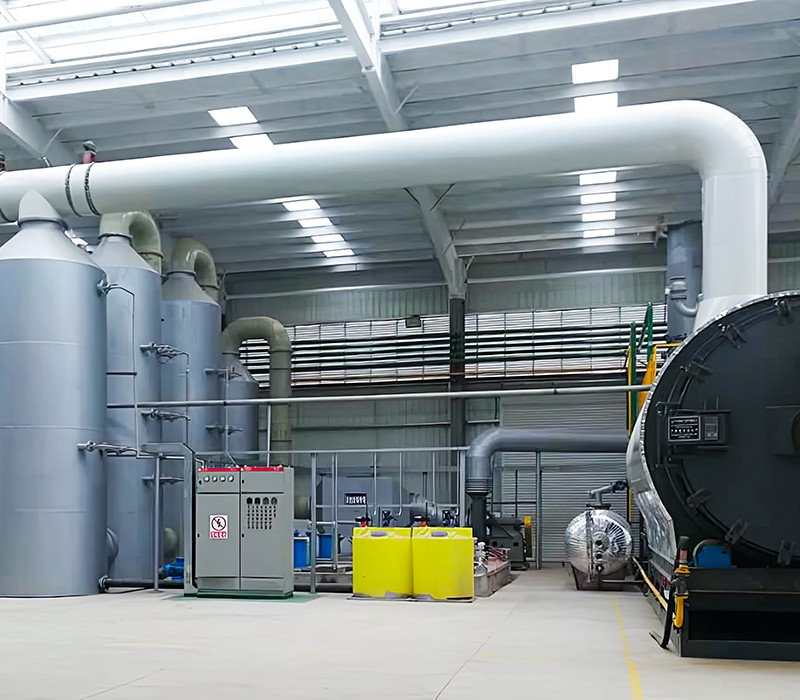
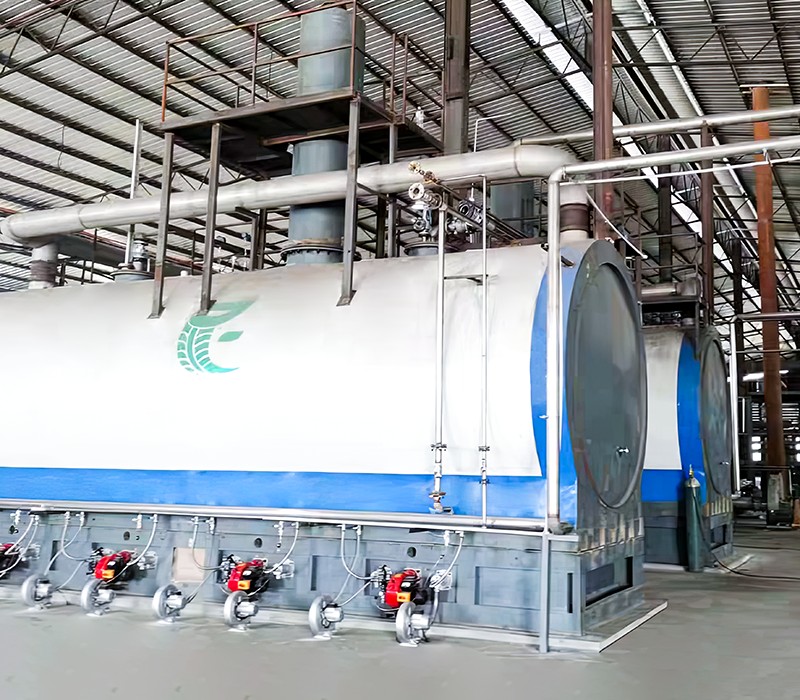
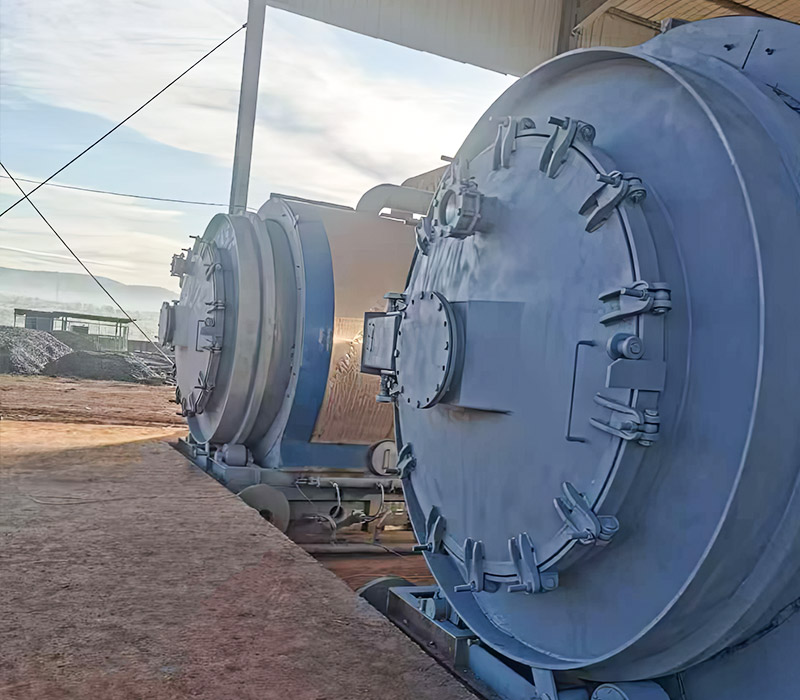
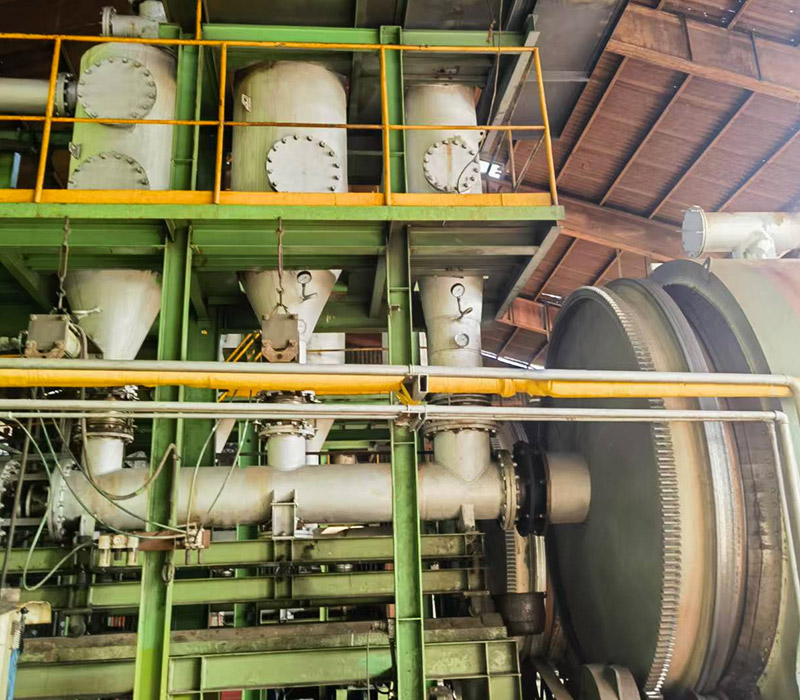
A standard batch pyrolysis system includes a sealed rotary or fixed-bed reactor, heating system (often indirect via flue gas or electric elements), condensation train, gas cleaning unit, and product collection tanks. The process begins by loading shredded feedstock (≤50 mm particle size) into the reactor, which is then purged with inert gas (N₂) to eliminate oxygen. Heating to 350–500°C initiates thermal cracking; vapors exit the reactor and pass through a multi-stage condenser where oil is recovered. Non-condensable gases (methane, hydrogen, CO) are cleaned and reused as fuel to heat the reactor—closing the energy loop. A full cycle, including cooling and unloading, takes 8–14 hours depending on feedstock and scale.
Batch pyrolysis units accommodate diverse inputs but require consistent preprocessing to ensure efficiency and equipment longevity. Tires must be shredded and steel-wire removed (<0.5% metal content); plastics should be sorted to exclude PVC (which releases HCl) and PET (which yields low oil). Biomass like rice husks or wood chips needs drying to <10% moisture. Crucially, mixed municipal plastic waste yields only 30–40% oil with high acidity—unsuitable for direct refining—whereas pure PE/PP streams produce light, distillable oil. Operators report that feedstock homogeneity improves oil quality by 25% and reduces reactor fouling, extending maintenance intervals.
Output composition varies significantly based on input material and operating temperature. Higher temperatures (480–520°C) favor gas production, while 420–460°C optimizes liquid yield. Below is a comparative summary from field trials conducted across Southeast Asia and Europe in 2024:
| Feedstock | Oil (%) | Char (%) | Gas (%) |
|---|---|---|---|
| Waste Tires | 45–52 | 30–35 | 10–15 |
| PP/PE Plastics | 70–80 | 5–10 | 10–15 |
| Wood Biomass | 50–60 | 25–30 | 15–20 |
Modern batch pyrolysis systems integrate multi-stage emission controls to meet regulatory standards. Flue gases pass through cyclones (for particulate removal), scrubbers (to neutralize acid gases like HCl or SO₂), and activated carbon filters (for VOCs and dioxins). In the EU, compliant units must limit NOₓ to <200 mg/Nm³ and particulates to <20 mg/Nm³—achievable with proper secondary combustion chambers operating above 850°C. A 2025 UNEP audit found that 92% of certified batch plants in India and Vietnam met national air quality thresholds when using clean feedstocks and maintained gas-cleaning systems.
A typical 5-ton/day batch pyrolysis plant costs $120,000–$200,000 USD, including emission controls. With tire feedstock costing $50–$100/ton and pyrolysis oil selling for $300–$450/ton (depending on quality), operators can achieve breakeven within 14–18 months at 70% capacity utilization. Char (used as fuel or activated carbon precursor) and recovered steel add 10–15% to revenue. In regions with waste disposal fees (e.g., $25/ton in parts of Europe), tipping income further improves margins. However, profitability hinges on consistent feedstock supply and off-take agreements—projects without pre-arranged buyers face price volatility risks.
Batch systems face downtime between cycles and manual labor demands during loading/unloading. Reactor coking—carbon buildup on internal surfaces—can reduce heat transfer efficiency after 50–100 cycles if not cleaned. To mitigate, operators use periodic steam or air decoking, or install removable liners. Another issue is oil contamination with water or solids, which degrades fuel quality. Installing coalescers and settling tanks post-condensation reduces water content to <1%. Training staff on safe inerting procedures is critical: oxygen ingress during hot unloading has caused explosions in poorly managed facilities.
Evaluate these criteria before procurement:
Reputable manufacturers like Beston, Doing, and Klean Industries provide performance guarantees and after-sales support. Always request third-party test reports using your intended feedstock. When properly deployed, batch pyrolysis equipment transforms waste liabilities into energy assets—offering a scalable, economically viable path toward circular resource management.







Let's Pyrolysis!


 +44 7529 150720
  [email protected]
  300 meters east of the South Railway Station in Shangqiu City, Henan Province
  Global Waste-to-Energy Solutions Waste Resource Utilization Equipment Manufacturer

 Profit Calculator
 English
 русский
 Français
 Español
 عربى
عربى