
 4 minutes
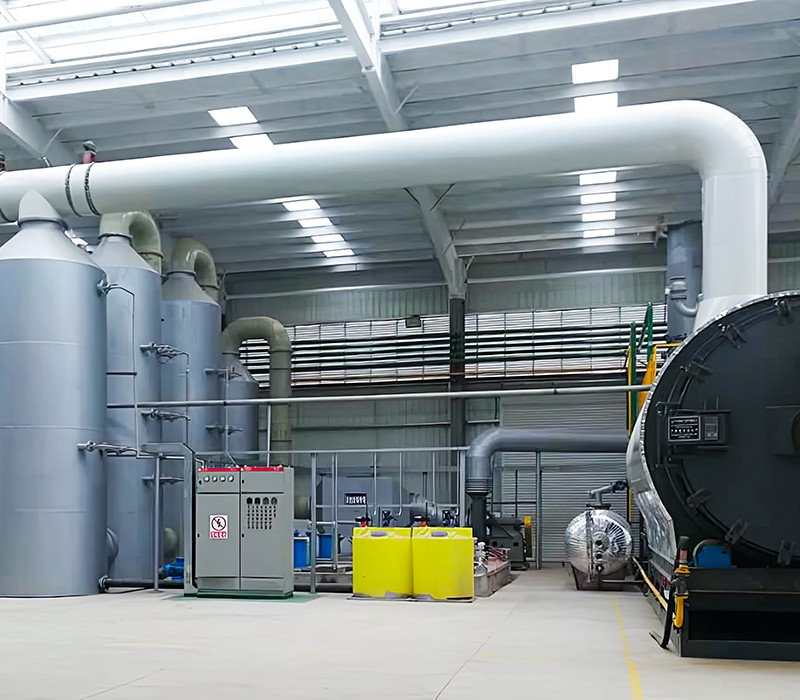
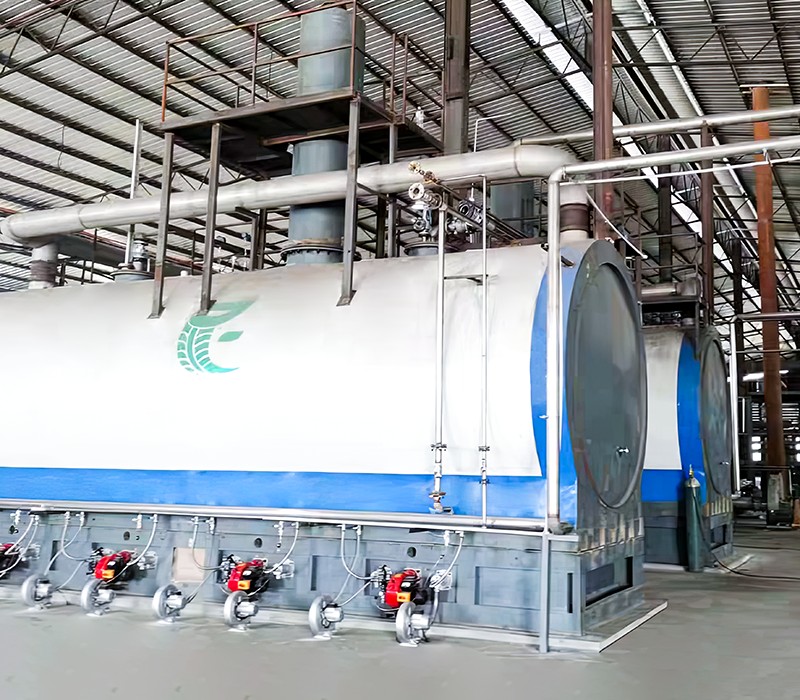
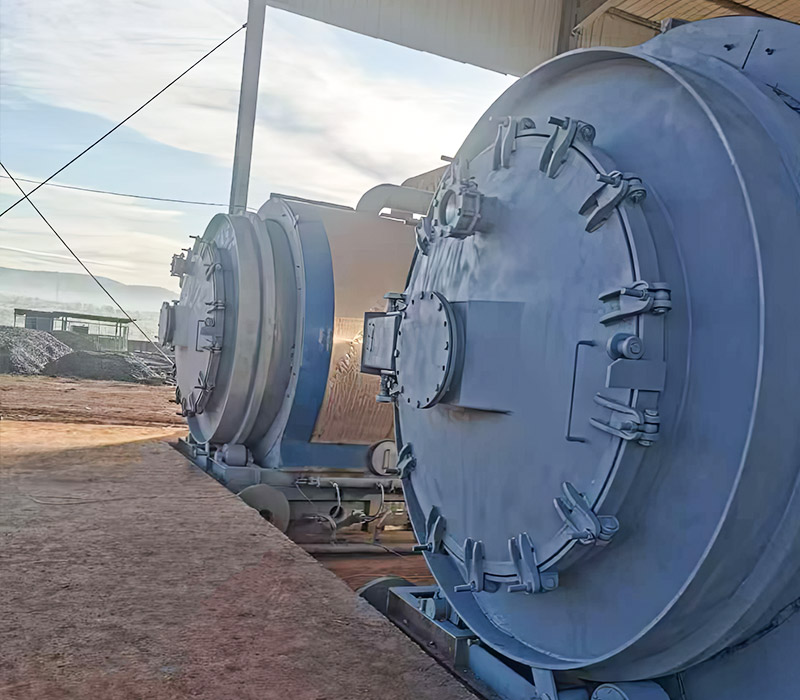
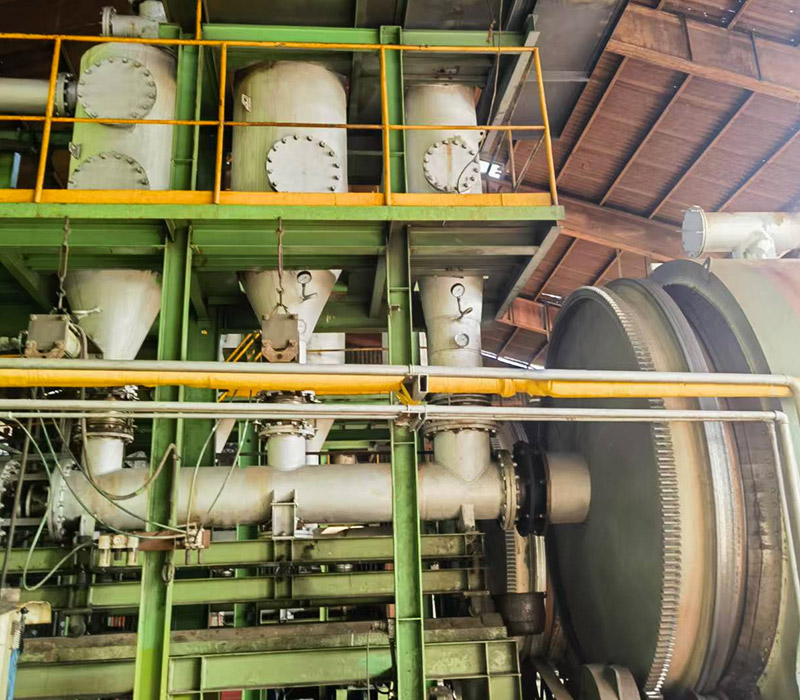
During pyrolysis, waste plastics, rubber, and other discarded materials are converted at high temperatures into reusable products, with fuel oil being the primary output. However, in addition to fuel oil, pyrolysis also produces by-products such as carbon black, combustible gas, and residue. These by-products not only have potential applications but also offer new possibilities for environmental and economic benefits. This article will discuss the utilization of pyrolysis by-products and their potential value.
Utilization of Carbon Black
Carbon black produced in the pyrolysis process finds extensive use in industrial applications. After further refinement, it can be used in the production of tires, rubber products, inks, and coatings. As an excellent filler, carbon black enhances the wear resistance and durability of materials, especially in the rubber industry. Additionally, pyrolytic carbon black can be activated and used as activated carbon for wastewater treatment and air purification.
Utilization of Combustible Gas
The combustible gases produced during pyrolysis primarily include hydrogen, methane, and hydrocarbon gases. Through gas purification and recovery technology, combustible gases can be recycled to provide heating for the pyrolysis reaction, promoting energy recycling and reducing production costs. The excess gas can also be used for electricity generation, supplying clean energy to the facility or nearby areas. This recycling of gas increases the energy efficiency of pyrolysis and reduces fossil fuel consumption.
Treatment and Utilization of Residue
Residue generated in pyrolysis usually contains metals and minerals that have application potential. After screening and processing, residue can be used as an additive in construction materials or as soil amendment in agriculture. Additionally, the carbon-rich residue can be used for carbon sequestration, helping to reduce greenhouse gas emissions and mitigate climate change.
Environmental Benefits of By-product Utilization
Proper utilization of pyrolysis by-products can significantly reduce waste emissions. By transforming carbon black, combustible gas, and residue into useful products, pyrolysis technology not only minimizes environmental pollution but also increases the rate of resource recovery. This closed-loop utilization model aligns with sustainable development principles and promotes the growth of a circular economy.
Conclusion
The utilization of by-products in the pyrolysis process brings new opportunities for resource recovery and sustainability. By-products like carbon black, combustible gases, and residue can be applied across various industries, adding economic value while supporting environmental goals. As pyrolysis technology advances, the use of by-products will continue to innovate, contributing further to ecological preservation and efficient resource utilization.






Let's Pyrolysis!


 +44 7529 150720
  [email protected]
  300 meters east of the South Railway Station in Shangqiu City, Henan Province
  Global Waste-to-Energy Solutions Waste Resource Utilization Equipment Manufacturer

 Profit Calculator
 English
 русский
 Français
 Español
 عربى
عربى