
 4 minutes
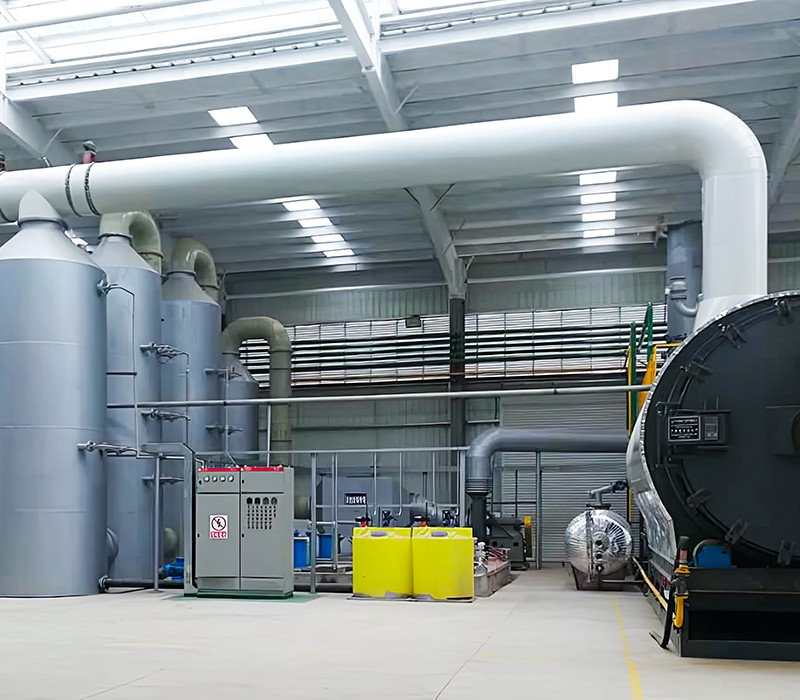
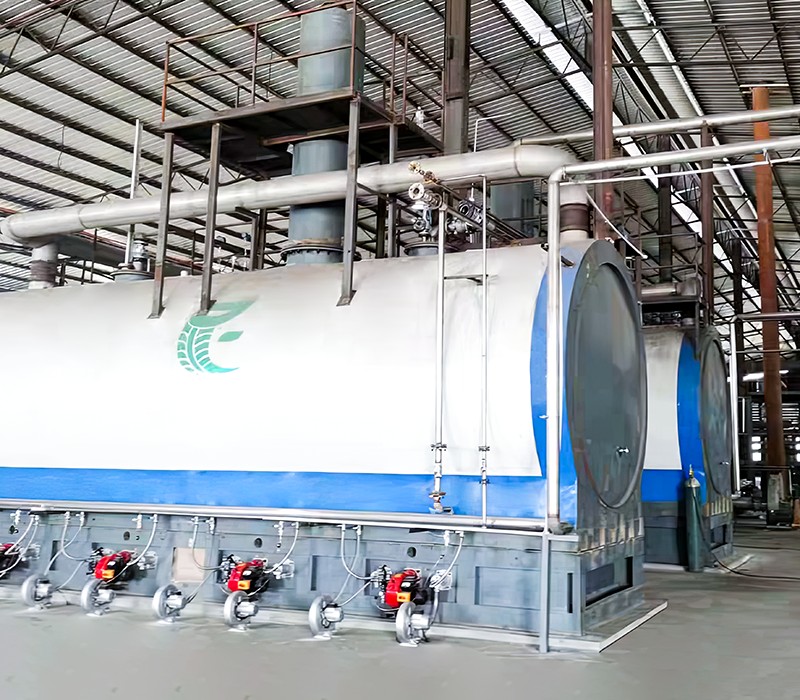
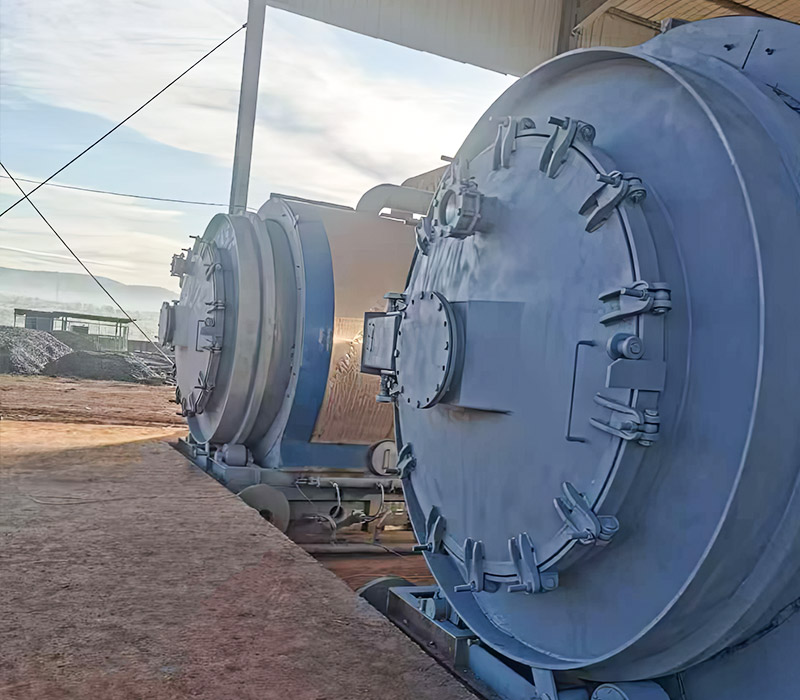
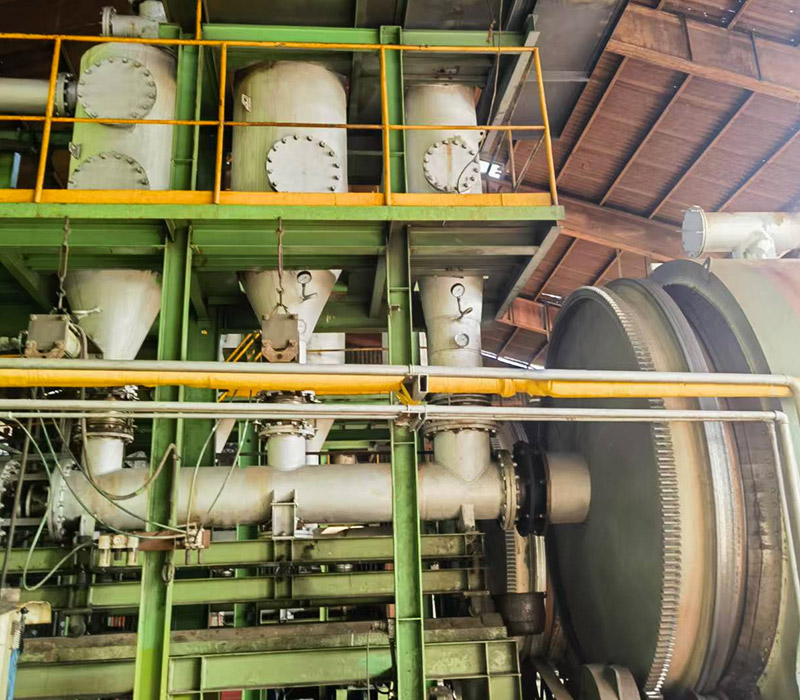
With a global focus on sustainable development and resource recycling, pyrolysis technology has become an essential waste treatment method. Pyrolysis processes use high temperatures to convert waste plastics, tires, and oils into valuable products like fuel oil and carbon black. As technology advances, automation is increasingly enhancing the efficiency, safety, and environmental performance of pyrolysis processes. This article explores the development of automation in pyrolysis technology and its benefits.
The Role of Automation in Pyrolysis
Automation systems enable intelligent control over every stage of the pyrolysis process, from raw material feeding to product collection. With sensors and control systems, equipment can monitor critical parameters like temperature and pressure in real time, ensuring process stability and reducing human error. Furthermore, automated systems allow for unmanned operation, reducing labor costs and minimizing workers' exposure to high-temperature equipment.
Ways Automation Enhances Pyrolysis Efficiency
Precise Control: Automated systems precisely manage temperature, pressure, and duration in the pyrolysis process, leading to stable reaction conditions and improved oil yields.
Continuous Production: Automated equipment enables 24-hour continuous production, eliminating downtime associated with traditional batch processes and significantly increasing efficiency.
Data Analysis and Optimization: By collecting and analyzing data, automated systems can optimize process parameters, reduce energy consumption, and enhance equipment utilization.
Safety and Environmental Benefits of Automation
Automation control systems not only boost production efficiency but also improve operational safety. By monitoring in real time, systems can automatically alarm and shut down in case of abnormalities, preventing accidents. Additionally, automated equipment reduces emissions of waste gas and wastewater, helping to minimize environmental impact.
Future Trends in Automated Pyrolysis Equipment
With advancements in IoT, AI, and data analytics, future pyrolysis equipment is expected to become more intelligent and integrated. For example, machinery could utilize machine learning to optimize process parameters and self-adjust to accommodate various feedstock characteristics. Moreover, automated equipment will become more energy-efficient, further reducing environmental impact.
Conclusion
The development of automation has driven innovation in pyrolysis processes, making this technology more effective in waste management and resource recovery. By increasing efficiency, ensuring safety, and reducing pollution, automated pyrolysis equipment meets market demands and aligns with sustainable development trends. As technology continues to progress, the future of automated pyrolysis looks promising.






Let's Pyrolysis!


 +44 7529 150720
  [email protected]
  300 meters east of the South Railway Station in Shangqiu City, Henan Province
  Global Waste-to-Energy Solutions Waste Resource Utilization Equipment Manufacturer

 Profit Calculator
 English
 русский
 Français
 Español
 عربى
عربى