
 10 minutes
Content
Tire shredding plays a crucial role in the recycling industry, offering a sustainable solution to the disposal of used tires. The process involves cutting tires into smaller pieces, which can then be used in various applications. With millions of tires discarded each year, tire shredding helps divert waste from landfills, reduces environmental impact, and creates valuable materials for other industries. This section will introduce the importance of tire shredding and why it can be a worthwhile investment for businesses.
Tire shredding is a process that reduces the size of tires, typically to pieces between 2 to 6 inches in length, which are then used in various industries. The significance of tire shredding lies in its ability to provide a sustainable method of tire disposal. Tires, being non-biodegradable, take up significant landfill space and can be hazardous if not properly managed. By shredding tires, the material is turned into reusable forms, such as tire-derived fuel (TDF), crumb rubber, and other valuable products.
Investing in a tire shredder can offer numerous benefits to businesses. The demand for tire-derived products, including rubber mulch, crumb rubber for playgrounds, and TDF, continues to grow. Additionally, with tire disposal regulations tightening, having an in-house tire shredder can help reduce disposal costs and improve operational efficiency. Whether you’re looking to start a recycling business or upgrade your current operations, investing in a tire shredder can lead to substantial long-term savings and profitability.
This guide will cover a variety of important aspects related to tire shredding, from understanding the types of machines used to exploring the business potential of starting a tire shredding operation. The following sections will delve into:
By understanding these topics, businesses can make informed decisions about tire shredding equipment, processes, and business opportunities in the recycling industry.
Tire shredders come in different types, each suited to specific shredding needs. These machines vary in terms of design, capacity, and the types of materials they can process. In this section, we will explore the main types of tire shredders, how they operate, and the key components that make them work efficiently.
A tire shredder is a machine designed to reduce the size of scrap tires. It uses mechanical force to break down the rubber material into smaller, more manageable pieces. These machines are essential for recycling operations, as they enable tires to be processed into useful products like crumb rubber, TDF, and rubber granules. Tire shredders can be used in various industries, including automotive, construction, and energy production.
Tire shredders can be classified into several categories based on their design and functionality. Below are the most common types:
A tire shredder consists of several critical components that work together to efficiently shred tires. These include:
The tire shredding process generally follows these steps:
A tire shredder is a machine designed to break down used tires into smaller pieces. These machines are crucial for recycling tires, reducing their size for further processing into usable products. Tire shredders are commonly used in tire recycling plants, where the shredded material is further processed to create various products, such as crumb rubber, tire-derived fuel (TDF), and other by-products.
Single shaft shredders are among the most commonly used tire shredders. They have a single, rotating shaft equipped with sharp blades that tear through the tires. These machines are known for their simplicity and effectiveness in breaking down tires into uniform-sized pieces. They are ideal for applications where consistent particle size is required.
Double shaft shredders consist of two opposing shafts that rotate in opposite directions. These shredders are better suited for handling tougher materials, including whole tires. The opposing rotation of the shafts ensures a more efficient shredding process and is capable of dealing with large tire sizes. Double shaft shredders are also less prone to jamming compared to single shaft machines.
Four shaft shredders are the most complex and powerful of the shredders. These machines feature four rotating shafts that provide a high degree of versatility in shredding different materials. They offer finer control over particle size and can handle a broader range of tire types, making them suitable for more specialized recycling operations.
Granulators are smaller machines designed to further reduce the size of shredded tire materials. After initial shredding, the material is sent to granulators, which produce finer granules or crumbs. This process is essential for creating products like crumb rubber, which can be used in playground surfaces, athletic tracks, and other applications.
Tire shredders consist of several key components that work together to break down tires. These include:
The operation of a tire shredder generally follows a clear sequence of steps:
When buying a tire shredder, it’s crucial to consider a variety of factors that can impact the machine’s performance, longevity, and overall cost-efficiency for your business. Here, we will go over the essential factors to think about when making your purchase decision.
There are several important factors to evaluate when choosing the right shredder for your business needs. These include the machine’s capacity, compatibility with tire sizes, and overall durability, among others.
Another important decision is whether to buy a new or used tire shredder. Both options have their advantages and disadvantages.
When purchasing a tire shredder, it’s important to consider the brand and manufacturer. Established brands often offer better reliability and after-sale support. Some of the top manufacturers in the industry include:
Tire shredders are available from a variety of sources, including both online and offline marketplaces. Some of the best places to buy a tire shredder include:
The market for tire-derived products has seen significant growth in recent years. As industries seek more sustainable alternatives and municipalities deal with growing waste tire problems, products like tire-derived fuel (TDF) and crumb rubber are in high demand. TDF is widely used in energy production, especially in cement kilns, and crumb rubber is in demand for applications such as playground surfaces, sports tracks, and even in asphalt mixtures.
The demand for crumb rubber is especially strong in the construction and sports industries. With increasing awareness about the environmental benefits of tire recycling, companies are adopting these materials for a wide range of uses. Additionally, emerging markets in developing countries are expanding their need for cost-effective, sustainable alternatives in construction and energy sectors.
A well-structured business plan is crucial when starting a tire shredding business. It outlines the operational costs, revenue projections, and expected return on investment (ROI). Understanding the key expenses and potential income sources is essential for ensuring long-term success.
Securing the right funding is a vital step in launching a tire shredding business. Several options are available, depending on the size of the operation and the investor's appetite for risk. Below are the most common funding sources:
Traditional loans from banks or credit unions are a standard way to fund business operations. They typically require a solid business plan and collateral, such as equipment or property. Interest rates and repayment terms vary depending on the lender and the applicant's credit history.
Government programs often provide grants or subsidies to support green initiatives, such as tire recycling businesses. These grants can help cover operational costs, environmental compliance, or equipment upgrades. It's essential to research and apply for relevant programs that align with your business goals.
Venture capitalists or private investors may be interested in funding a tire shredding business, especially if the operation has significant growth potential or a unique business model. These investors often require equity in exchange for their financial backing.
Starting a tire shredding business requires compliance with several local, state, and federal regulations. These regulations govern environmental impact, health and safety standards, and waste management practices. Securing the necessary permits is essential to avoid legal issues and potential fines.
Tire shredding businesses often need an environmental permit to ensure compliance with local waste management and recycling regulations. These permits may include air quality permits, water usage permits, and waste disposal certifications. It's important to consult with environmental agencies to understand the specific requirements for your location.
Tire shredding operations are subject to workplace safety standards under OSHA (Occupational Safety and Health Administration) regulations. Ensuring that the facility complies with safety codes, such as fire prevention, personal protective equipment (PPE), and employee safety training, is crucial for avoiding accidents and protecting workers.
Selecting the right location for your tire shredding business can significantly impact operational efficiency and profitability. Factors such as proximity to supply sources (e.g., tire retailers or auto repair shops), transportation infrastructure, and zoning laws must be carefully considered when choosing a facility location.
The setup and installation of tire shredding equipment are critical for ensuring smooth and efficient operations. The facility must be designed to accommodate various machines such as shredders, granulators, and material separation units. Proper layout and installation can help maximize throughput and reduce downtime.
Each piece of equipment should be strategically placed to ensure a smooth workflow. For example, shredders should be located near tire intake areas, while granulators and material separation units should be positioned to allow easy sorting and storage of final products. Adequate space for worker movement and safety should also be factored into the layout.
Professional installation ensures that all machines are set up correctly and operating at optimal performance. It is recommended to hire equipment suppliers who offer installation services or seek experienced professionals who specialize in industrial machinery setup.
Establishing a reliable source of used tires is a cornerstone of the tire shredding business. Tires can be sourced from various places, including tire retailers, auto repair shops, government programs, or direct collections from consumers. Building strong relationships with suppliers and developing a steady stream of incoming materials is vital for consistent production.
The tire recycling process begins with the collection and sorting of used tires. Tires are typically gathered from various sources such as auto repair shops, tire dealerships, landfills, and even directly from consumers. It is crucial to sort tires based on their condition, size, and type before processing, as this helps determine the method of shredding and recycling that will be applied.
Once sorted, the tires are fed into shredding machines where they are broken down into smaller pieces. The shredding process usually involves multiple stages, starting with rough shredding to break down the tires into larger chunks, followed by finer granulation to produce smaller rubber particles. These rubber granules can then be used for various applications, from road construction to playground surfaces.
After the tires are shredded, the next step is to separate the materials that make up the tire—rubber, steel, and fiber. Steel is typically removed using powerful magnets, while fibers can be separated using air classification or mechanical separation. The resulting rubber granules are the most valuable component for recycling.
Recycled tires can be processed into a variety of valuable products. These products serve a wide range of industries, from construction to playground safety. The rubber derived from tires is versatile and can be transformed into several different products that have a positive environmental impact by reducing waste and conserving resources.
Tire-derived fuel is a common use for shredded tires. The rubber is burned in industrial processes as a source of energy. TDF is used in cement kilns, paper mills, and power plants as an alternative to coal or other traditional fuels. It offers a high energy content, making it a viable substitute in many industrial applications.
Crumb rubber, produced by further granulating tire rubber, is commonly used in the creation of safe, durable playground surfaces and athletic tracks. The rubber’s shock-absorbing properties make it ideal for reducing the risk of injury in playgrounds and sports facilities. It is often mixed with other materials like EPDM or polyurethane for additional strength and weather resistance.
Molded rubber products, such as mats, bumpers, and tiles, can be created using recycled tire rubber. These products are highly durable and resistant to wear, making them ideal for use in various industries, including automotive, construction, and consumer goods manufacturing.
Asphalt rubber is produced by blending crumb rubber with asphalt to create a modified binder used in road construction. This material improves the performance of asphalt, making it more resistant to cracking and rutting, particularly in areas with extreme temperatures. Asphalt rubber is increasingly popular in road resurfacing projects due to its sustainability and cost-effectiveness.
Starting a tire shredding operation requires significant capital investment. Key initial expenses include purchasing machinery, securing land, and obtaining necessary permits. Below are the major components of the initial investment:
Once the equipment is in place, ongoing operational costs are essential for running the business. These costs can fluctuate depending on your location, scale of operations, and efficiency of the equipment. Below are the key operating expenses:
Transportation and disposal are another significant cost factor in tire shredding businesses. These costs depend on how you manage tire collection and the final disposal of waste materials:
The potential revenue from a tire shredding business largely depends on the products generated from the recycled material. Here are the common revenue streams:
Tire recycling plays a significant role in reducing landfill waste. Tires take up a lot of space and can remain in landfills for hundreds of years without breaking down. By recycling tires, this waste is diverted from landfills, freeing up space for other types of waste that may degrade more naturally. Furthermore, tire piles are a fire hazard, and when tires catch fire, they can burn for long periods, emitting toxic fumes and pollutants. Recycling tires helps prevent such environmental hazards.
Recycling tires conserves valuable natural resources by reusing the materials in the tires, such as rubber, steel, and fabric. For example, the rubber can be reused to create new products like playground surfaces, road construction materials, and even new tires. Steel from tires is extracted and reused in construction and manufacturing, reducing the need for mining raw materials. By reusing materials that would otherwise be discarded, tire recycling helps reduce the environmental impact associated with resource extraction.
The process of recycling tires generally produces fewer emissions compared to manufacturing new products from virgin materials. For instance, producing crumb rubber from recycled tires requires less energy than producing rubber from raw petroleum-based sources. By diverting tires from landfills and recycling them into valuable materials, tire recycling reduces the carbon footprint of the entire lifecycle of tires, contributing to lower greenhouse gas emissions and helping to combat climate change.
Tire recycling results in the creation of numerous sustainable products that serve both environmental and economic purposes. Some of these products include:
These products help to close the loop of tire life cycles, creating value from waste and reducing reliance on raw, non-renewable resources. The development of new applications for recycled tires further promotes sustainability and drives innovation in the recycling industry.
Operating a tire shredder involves inherent risks, so safety measures are crucial to ensure the protection of operators and the longevity of the equipment. The following key safety protocols should be followed:
PPE is essential to safeguard workers during tire shredding operations. The following gear is recommended for all personnel:
Tire shredding operations involve heat, friction, and combustible materials, making fire prevention and control essential. Follow these strategies to minimize fire risks:
In the event of an emergency, quick action is crucial to prevent injuries or equipment damage. Establish clear emergency protocols, including:
Conduct regular emergency drills to ensure all personnel are prepared for various crisis scen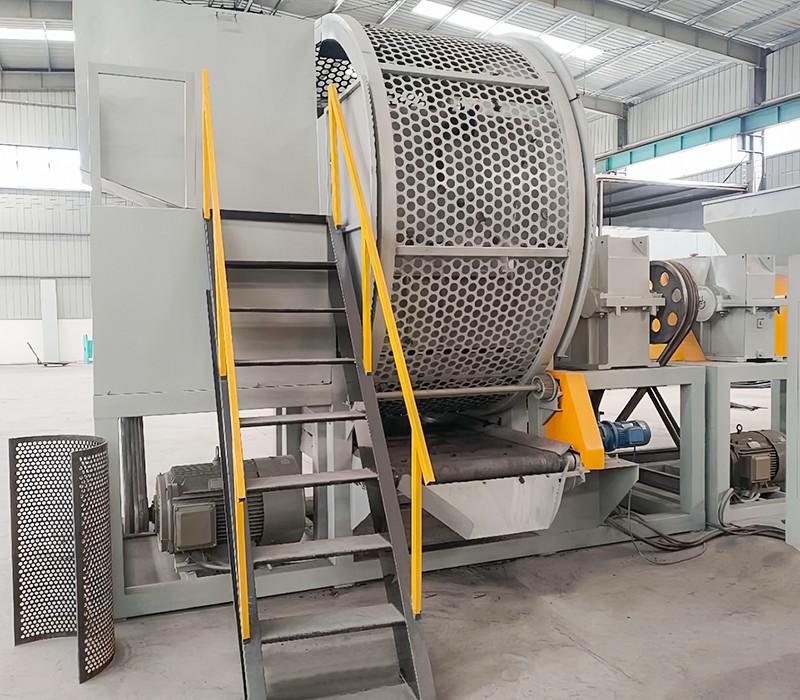






Let's Pyrolysis!


 +44 7529 150720
  [email protected]
  300 meters east of the South Railway Station in Shangqiu City, Henan Province
  Global Waste-to-Energy Solutions Waste Resource Utilization Equipment Manufacturer

 Profit Calculator
 English
 русский
 Français
 Español
 عربى
عربى