
 5 minutes
As global environmental issues become increasingly severe, resource shortages and environmental pollution have emerged as urgent challenges that need to be addressed. In this context, resource recycling has become a key direction in promoting sustainable development. Pyrolysis technology, as an innovative method for resource recovery and energy conversion, plays a crucial role in advancing resource recycling. Through pyrolysis, we can transform waste into valuable energy and raw materials, effectively reducing the environmental burden of waste and achieving efficient resource utilization.
1. What is Pyrolysis Technology?
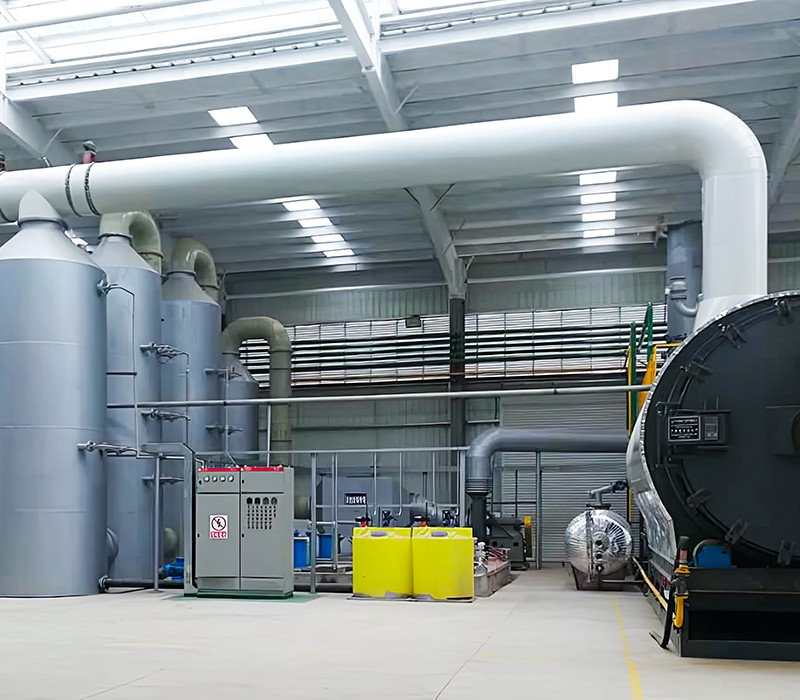
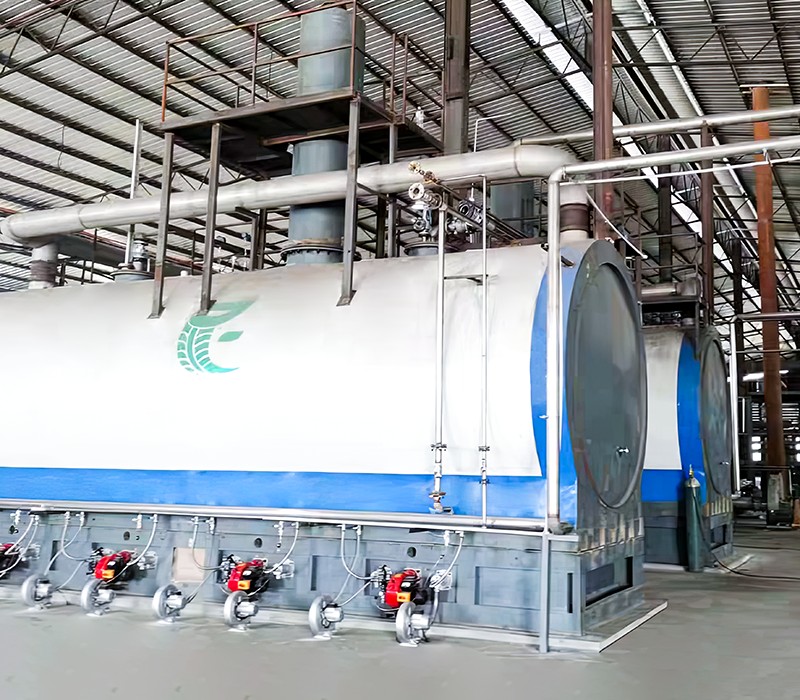
Pyrolysis is a process that decomposes organic materials into gases, liquids, and solid products by heating them in an oxygen-free or low-oxygen environment. During pyrolysis, the organic components in waste materials undergo chemical reactions, transforming into combustible gases and liquid fuels such as biogas, diesel, and gasoline. The solid residue is typically carbon black or other forms of carbonized material, which can be used as a soil enhancer or in other industrial applications.
Compared to traditional methods such as incineration or landfilling, pyrolysis not only converts waste into energy but also significantly reduces harmful gas emissions and waste volume, offering higher environmental benefits.
2. Pyrolysis and Resource Recycling
Waste Conversion into Energy
Pyrolysis technology can convert waste materials (such as waste plastics, rubber, tires, industrial waste, etc.) into usable energy, greatly reducing waste accumulation and environmental pollution. Through pyrolysis, the organic components (such as carbon and hydrogen) in waste are converted into combustible gases, liquid fuels (such as biodiesel), and solid carbon black, providing new sources of energy. These energy sources can be used directly for electricity generation, heating, or as alternative fuels, reducing reliance on traditional fossil fuels.
Reducing Resource Waste
Many waste materials contain valuable resources, such as plastics, rubber, and tires. Through pyrolysis, these waste materials can regain their useful energy and chemical components.
For example, waste plastics can be transformed into liquid fuels or bio-oils, which can then be used as raw materials for the production of other chemicals. This not only reduces resource waste but also promotes resource reuse.
Supporting the Circular Economy
Pyrolysis technology aligns well with the concept of a circular economy, which emphasizes reducing resource consumption, improving resource efficiency, and minimizing environmental pollution. Through pyrolysis, we can effectively recycle and reuse waste materials, turning waste into valuable resources and achieving a closed-loop resource cycle. Pyrolysis not only provides solutions for waste disposal but also supplies valuable resources for industries, agriculture, and energy sectors, offering strong support for sustainable development.
Promoting Green and Low-Carbon Development
By converting waste into energy, pyrolysis reduces dependence on mineral resources and fossil fuels, easing the environmental burden. Pyrolysis produces fewer greenhouse gases compared to traditional incineration and landfilling methods, helping to mitigate the negative impacts of global climate change. Furthermore, the carbon black produced during pyrolysis can be used to improve soil quality, further promoting ecological restoration and sustainable agricultural development.
3. Prospects of Pyrolysis Technology
With ongoing technological advancements, the application prospects of pyrolysis technology in resource recycling are very promising. By optimizing pyrolysis processes, we can further improve resource recovery efficiency, reduce energy consumption and emissions, and enable the recycling of more types of waste. In the future, pyrolysis technology will not be limited to plastics and rubber; it will also encompass more waste categories, including agricultural residues, food waste, and industrial waste. By expanding its application areas, pyrolysis technology will become an important tool in achieving resource recycling and promoting sustainable development.
4. Conclusion
As an advanced resource recovery and energy conversion technology, pyrolysis plays a significant strategic role in promoting resource recycling. It provides new ideas for the efficient utilization of waste and the production of clean energy, advancing the development of the green low-carbon economy. With continuous innovation in pyrolysis technology and its expanded applications, we can confidently believe that pyrolysis will play an even more critical role in resource recycling, helping us move toward a more environmentally friendly and sustainable future.






Let's Pyrolysis!


 +44 7529 150720
  [email protected]
  300 meters east of the South Railway Station in Shangqiu City, Henan Province
  Global Waste-to-Energy Solutions Waste Resource Utilization Equipment Manufacturer

 Profit Calculator
 English
 русский
 Français
 Español
 عربى
عربى